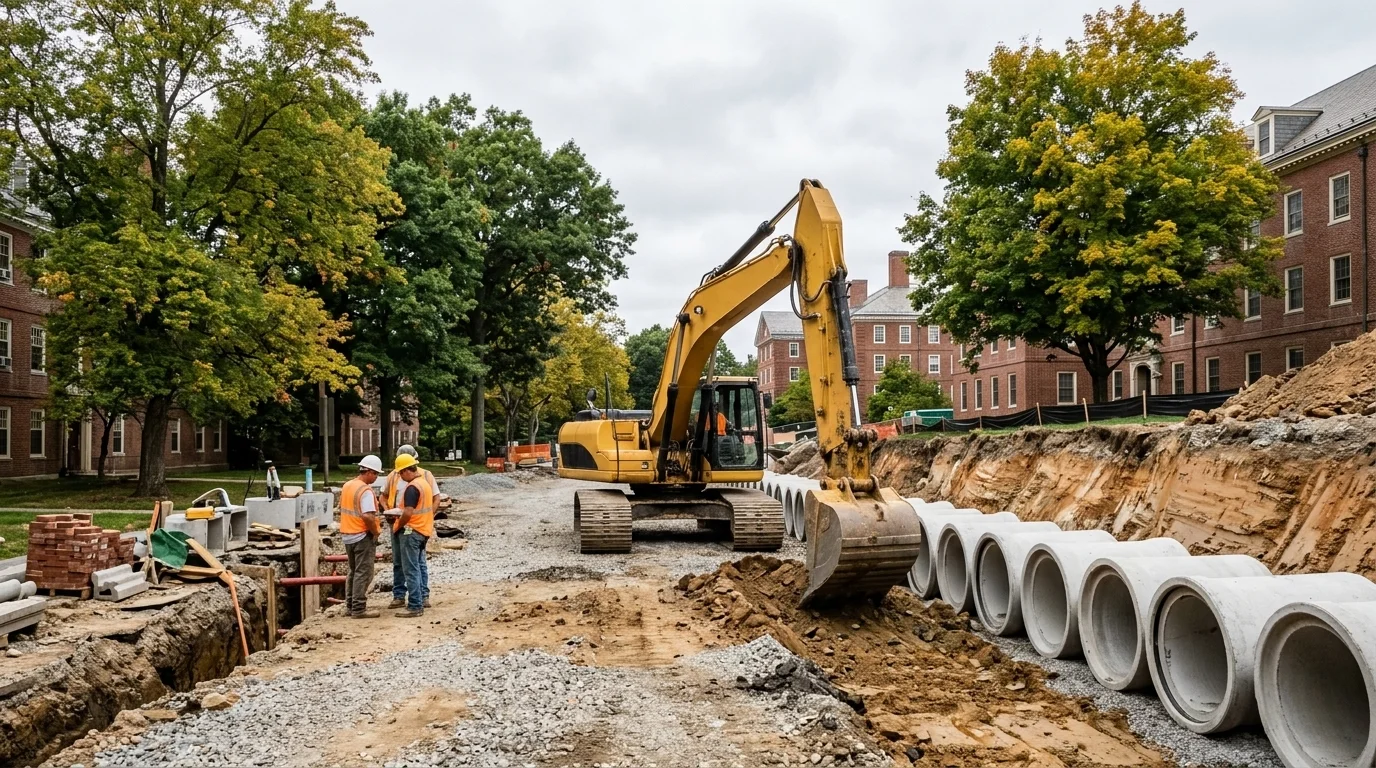
Montverde, Florida is moving to replace aging residential septic systems with connections to the municipal sewer network, a long-overdue upgrade aimed at protecting Lake Apopka, one of the state's most ecologically damaged water bodies.
The town of roughly 2,000 to 2,500 people sits on the western shore of Lake Apopka in Lake County, where decades of nutrient pollution from agriculture and surrounding communities have left the lake severely impaired. Nitrogen and phosphorus leaching from septic systems are among the ongoing contributors to the algal blooms and degraded water quality that have frustrated a multi-hundred-million-dollar state restoration effort going back to the 1990s.
For a town with a modest municipal budget, a project like this would have been out of reach not long ago. Converting a home from septic to centralized sewer typically runs $15,000 to $30,000 or more per connection. What changed the math: Florida's 2020 Clean Waterways Act directed state regulators to identify priority areas for septic remediation near impaired water bodies, and the state has since poured hundreds of millions of dollars into a dedicated wastewater grant program, including $200 million in fiscal year 2022-23 alone. Federal infrastructure funding has added to the pool. Montverde's location in the Lake Apopka watershed makes it a strong candidate for that state support.

Source: U.S. Census Bureau, American Community Survey.
Florida has more septic systems than any other state, roughly 2.6 million, many of them aging and situated in areas with the porous soils and high water tables that make leaching into lakes and groundwater especially severe. Communities around Lake Apopka have been under growing pressure to address their contributions to nutrient loading as the state's restoration timeline stretches on.
The specific number of homes targeted in Montverde's septic-to-sewer conversion project and the total project budget have not been publicly detailed. The town is currently in the process of selecting a contractor to carry out the work, and full project scope should become clearer once a contract is awarded.