Frederick, Colorado is moving to clean up PFAS contamination in its water supply and soil, joining a wave of Front Range communities grappling with the cost of forever chemicals they didn't put there.
The town of about 16,000, located roughly 30 miles north of Denver in Weld County, has posted a solicitation for a remediation contractor covering both its water system and a contaminated soil site. The dual scope suggests Frederick is dealing with more than a routine drinking water treatment upgrade, though the specific contamination levels and the source the town is targeting haven't been made public.
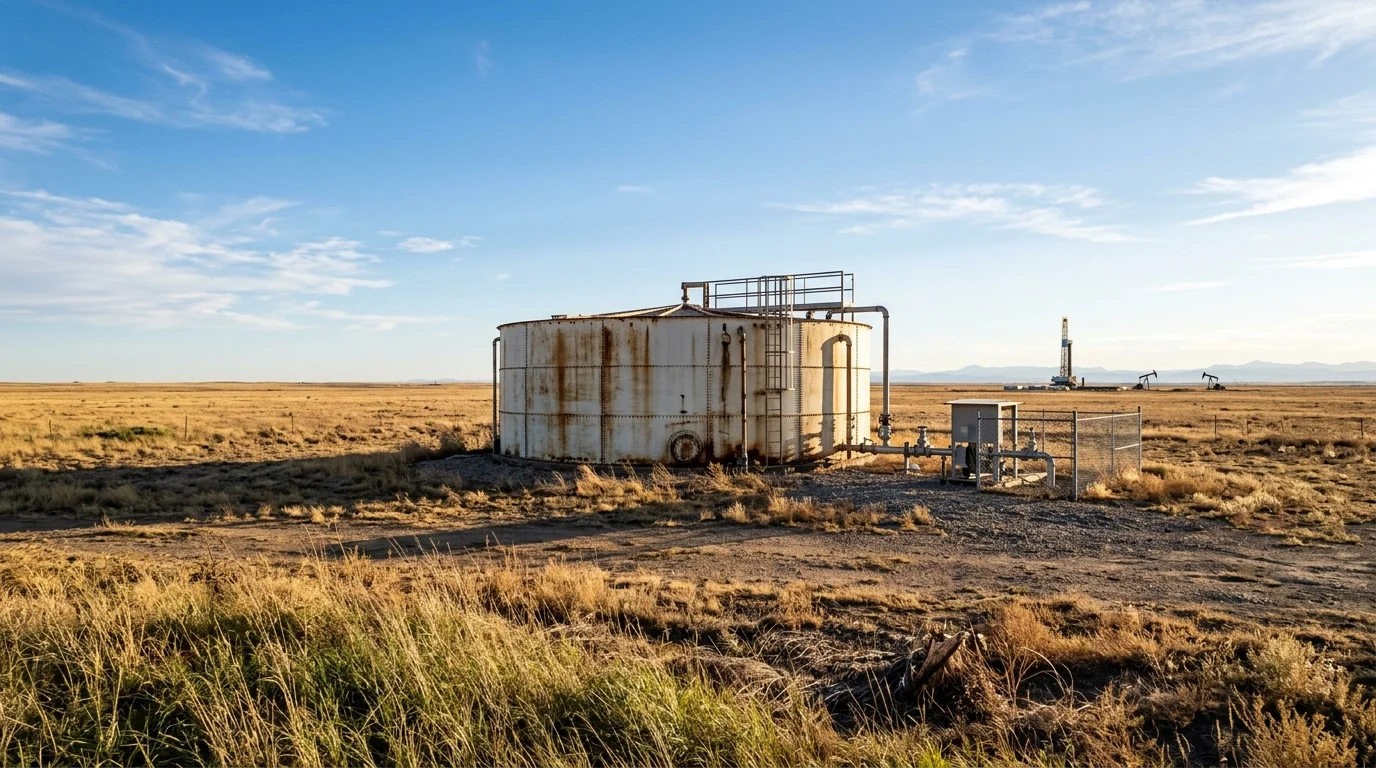
PFAS, or per- and polyfluoroalkyl substances, are a family of synthetic chemicals used for decades in nonstick cookware, waterproof fabrics and firefighting foam. They don't break down in the environment and are linked to cancers, thyroid disease and immune system damage. Frederick sits downstream of some of Colorado's most documented PFAS hotspots, including former military firefighting training sites and industrial facilities along the Front Range. Groundwater in Weld County has also drawn scrutiny because PFAS compounds are used in some oil and gas operations, and the area sits atop one of the most heavily drilled fields in the United States.
The timing aligns with new federal rules. In April 2024, the EPA finalized the first enforceable drinking water limits for PFAS, setting a maximum of 4 parts per trillion for PFOA and PFOS. Public water systems must complete initial monitoring by 2027 and reach full compliance by 2029. Colorado had already been ahead of the curve: the state banned PFAS in firefighting foam in 2020 and has run a statewide sampling program since then that found contamination in water systems serving more than 350,000 residents.
The financial burden on small towns is steep. Treatment systems using granular activated carbon, ion exchange or reverse osmosis can cost millions to build and operate, and Frederick is simultaneously under pressure to expand its water infrastructure to keep up with rapid residential growth. The town has roughly tripled in population since 2000.
Some relief may be coming from the courts. A 2023 settlement with 3M for $10.3 billion and a separate agreement with DuPont and its spinoffs for $1.185 billion created a fund for public water systems to recover remediation costs. Colorado communities have been filing claims, though how much Frederick might recover or when remains unclear.
The situation echoes what communities near Peterson Space Force Base outside Colorado Springs endured: residents in Fountain, Security and Widefield have been drinking treated or bottled water since 2016 after firefighting foam contaminated their aquifer. Frederick's leaders are hoping to resolve the problem before it reaches that stage. Contractor selection will determine how quickly remediation work can begin.