Fort Collins, Colo., is moving to restore another degraded stretch of Fossil Creek, targeting a segment in the city's fast-growing southern reaches that has been battered by decades of suburban development.
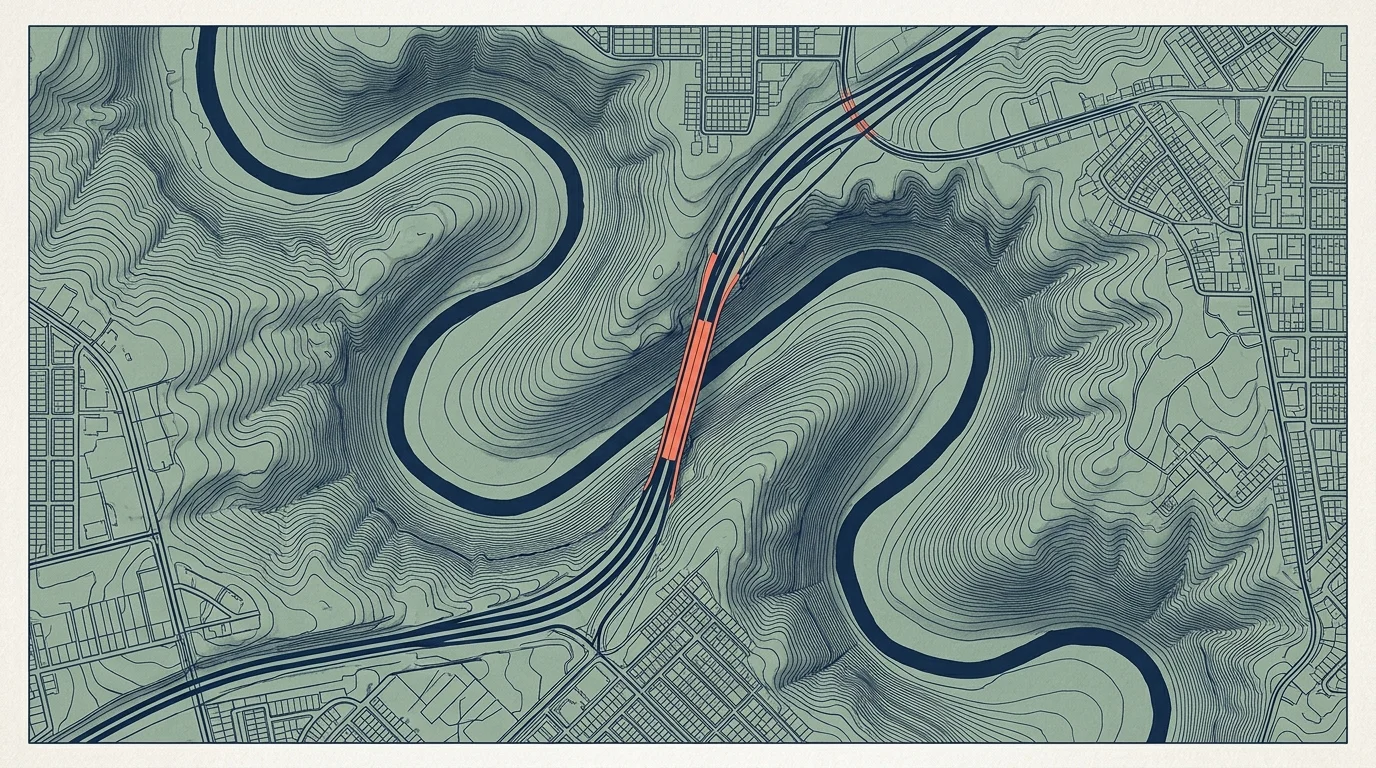
The project covers Fossil Creek between Trilby Road and Lemay Avenue, a corridor where residential buildout since the 1990s has left the channel eroded, stripped of its native cottonwood and willow banks, and choked with sediment. The city's goals are to rebuild aquatic and riparian habitat and reopen the area to recreation. The total cost and construction timeline have not been publicly disclosed.
Fort Collins is pursuing the work through a Construction Manager/General Contractor delivery model, in which a contractor partners with engineers during the design phase rather than bidding on a finished set of plans. That approach has become increasingly common for in-stream restoration work, where live waterways, unpredictable subsurface conditions, and narrow Colorado Parks and Wildlife windows for in-water construction make traditional contracting unreliable. The city posted the solicitation on the Rocky Mountain Bid System on Oct. 2, 2026.
The Trilby-to-Lemay reach is the next link in a restoration chain that Fort Collins has been assembling for years. The city's Natural Areas Department and Stormwater Utility, long regarded as national models for urban stream management, have already completed work on earlier Fossil Creek segments and on the Cache la Poudre River downtown. That broader effort accelerated amid the catastrophic September 2013 Front Range floods, which reshaped how Colorado communities think about stream corridors and unlocked new state and federal resilience funding.
Fossil Creek runs through some of the city's most intensely developed southern neighborhoods, where growth has steadily increased runoff and sediment loading into a waterway that drains toward the Cache la Poudre. Restoring the channel serves multiple purposes: reducing flood risk, meeting federal stormwater permit requirements and recovering habitat in an area where native species have largely disappeared.
The city has not yet announced a contractor selection timeline or a construction start date.