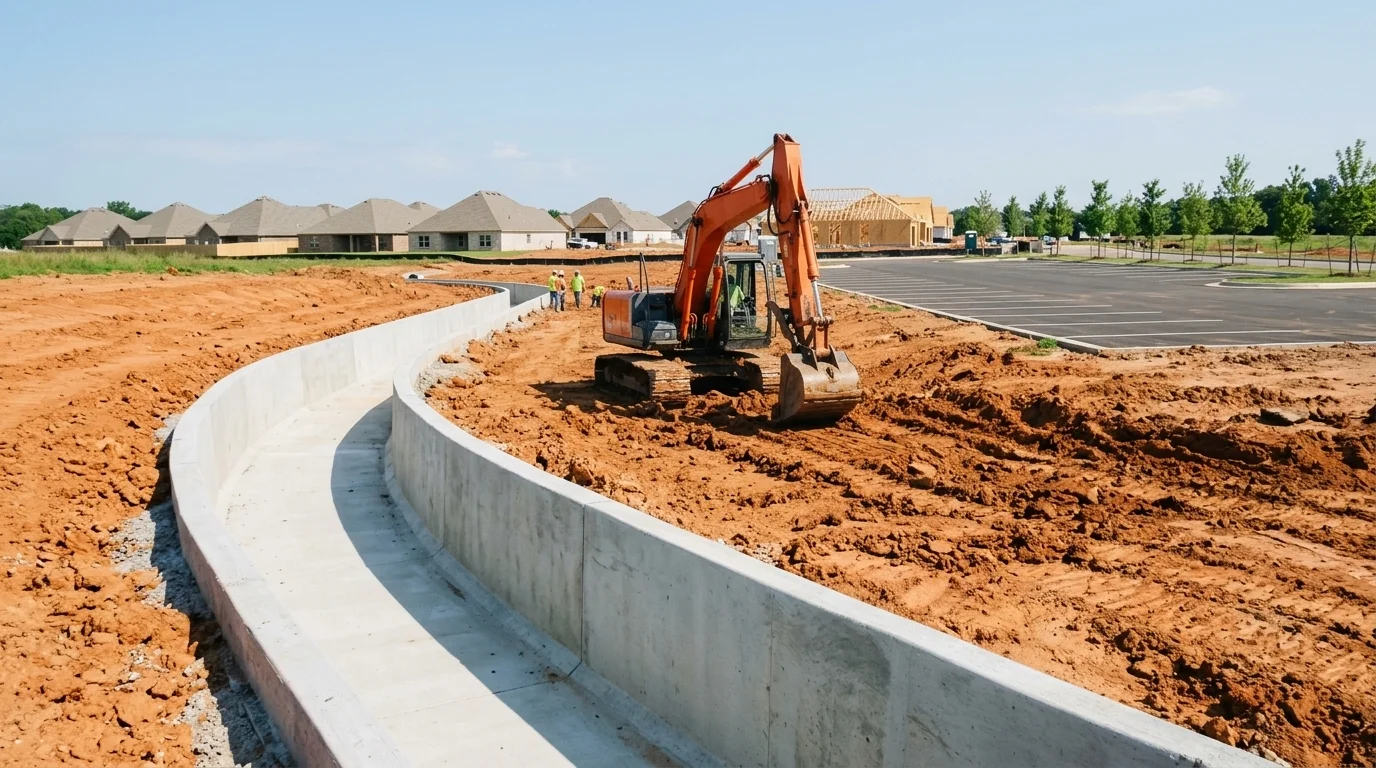
Near Bridger, Montana, a small agricultural community in Carbon County, a century-old irrigation diversion is getting an overhaul designed to do something it has never done: let native fish through.
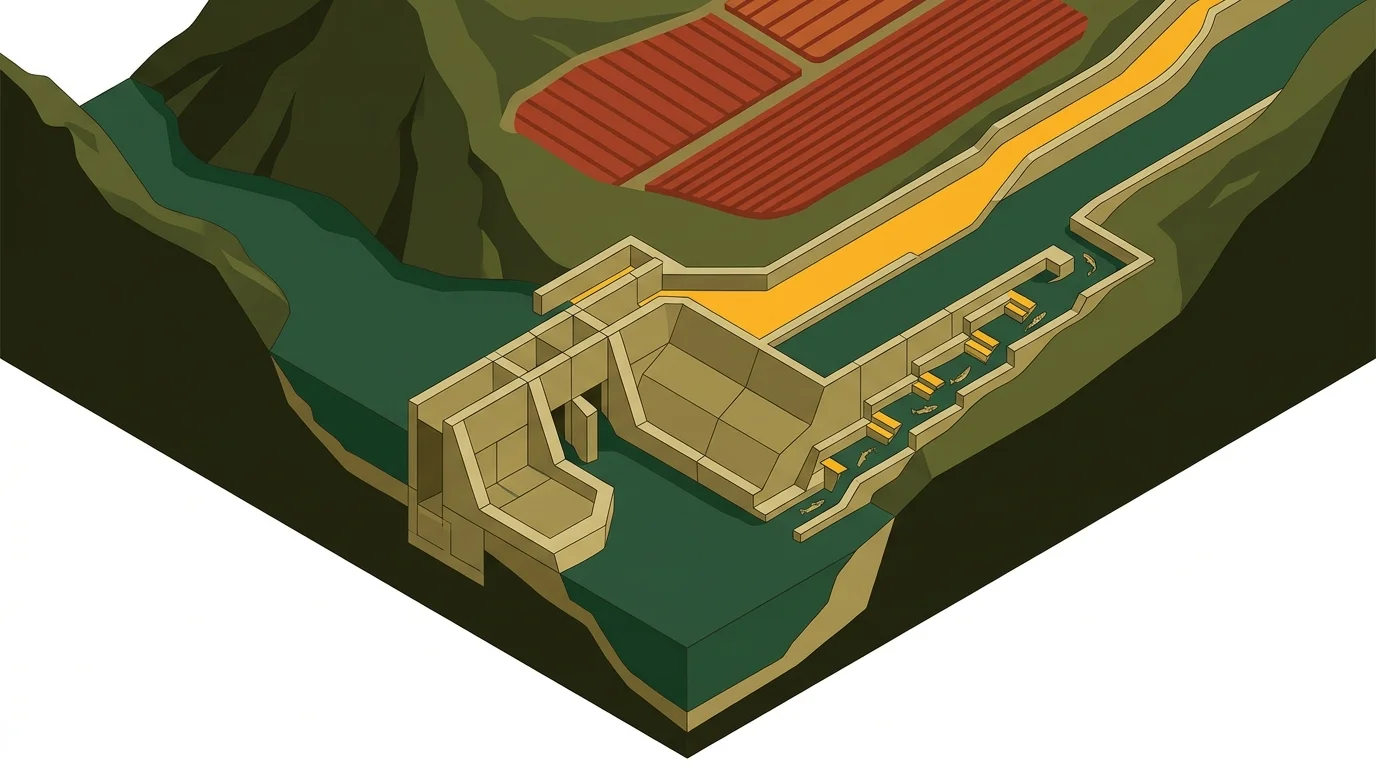
Montana's Natural Resource Damage Program is moving forward with the Orchard Diversion Improvement Project on the Clarks Fork of the Yellowstone River, seeking a contractor to build fish passage and modernize the existing irrigation infrastructure at the site. The goal is to restore upstream and downstream movement for Yellowstone cutthroat trout and other native species while keeping water flowing to the farms and ranches that have depended on the diversion for generations.
Yellowstone cutthroat trout have lost an estimated 50 to 60 percent of their historic range across the region, squeezed out by habitat fragmentation, non-native species, and land use changes. The species is classified as a Montana Species of Special Concern and has faced repeated petitions for federal Endangered Species Act listing. A listing would carry sweeping regulatory consequences for agriculture and development across the Yellowstone basin, giving local ranchers and state officials a shared stake in proactive recovery efforts.
The Clarks Fork, which flows through the valley between the Beartooth and Pryor mountains before joining the Yellowstone near Laurel, is a designated Blue Ribbon trout stream. Recreational fishing draws significant visitor spending to a region where ranching and outdoor tourism are both economic pillars. Montana's fishing industry generates more than $900 million in economic activity statewide each year, making fishery health a financial issue as much as an ecological one.
The NRDP funds restoration through dollars recovered in legal settlements tied to environmental contamination, directing that money toward long-term ecological repair across the state. The dual-benefit design here, pairing a fish passage structure with updated irrigation headgates, reflects an approach that has become standard in the West: maintaining water rights and delivery reliability for irrigators while reopening river corridors that have been blocked for a century.
A contractor selection is underway, with construction expected to follow. Once complete, the Orchard Diversion would no longer stand as a barrier to fish moving through this stretch of the Clarks Fork valley.