Elkhart, Indiana builds roughly 80 percent of the recreational vehicles sold in North America, yet many of the workers on those factory floors can't afford to buy a home in the county where they work. Habitat for Humanity of Elkhart County is now attempting its most ambitious response to that problem: a full 23-home subdivision on the city's northwest side.
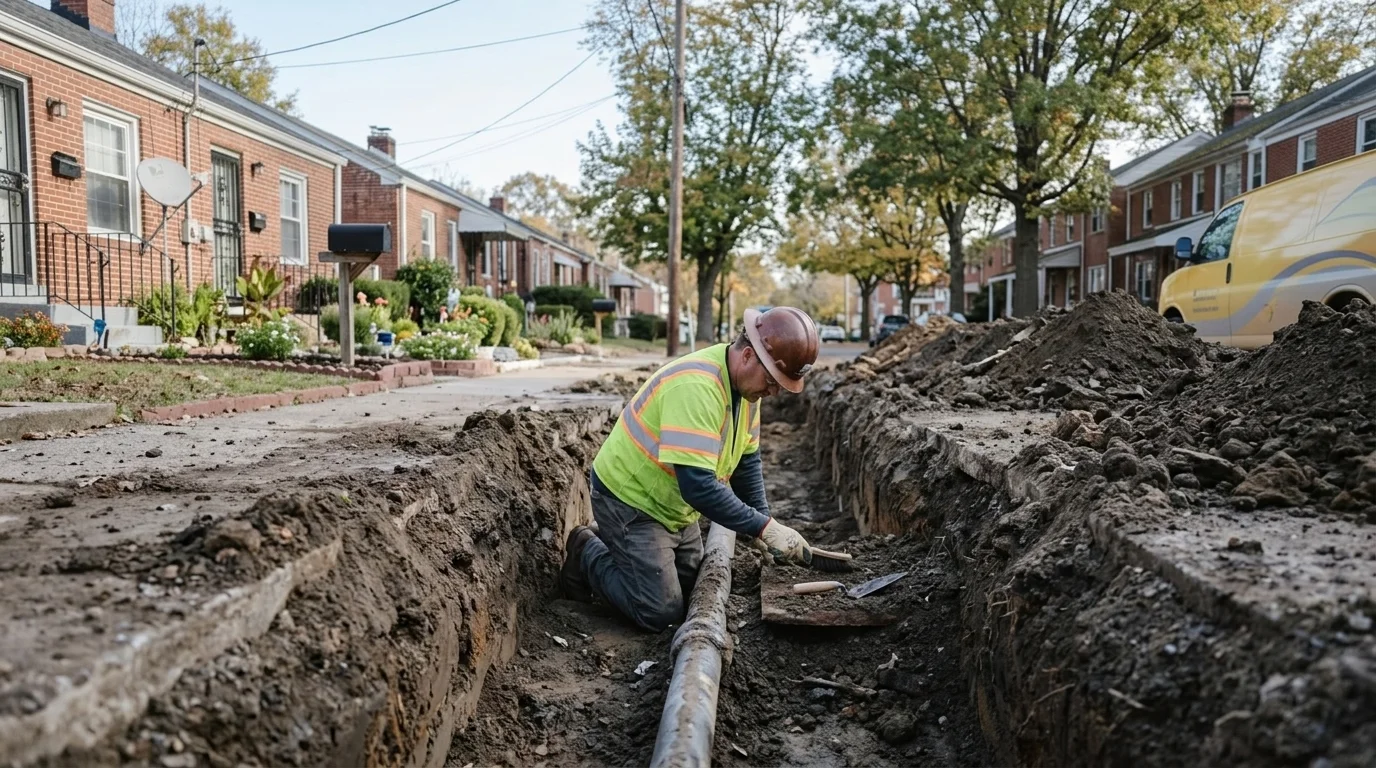
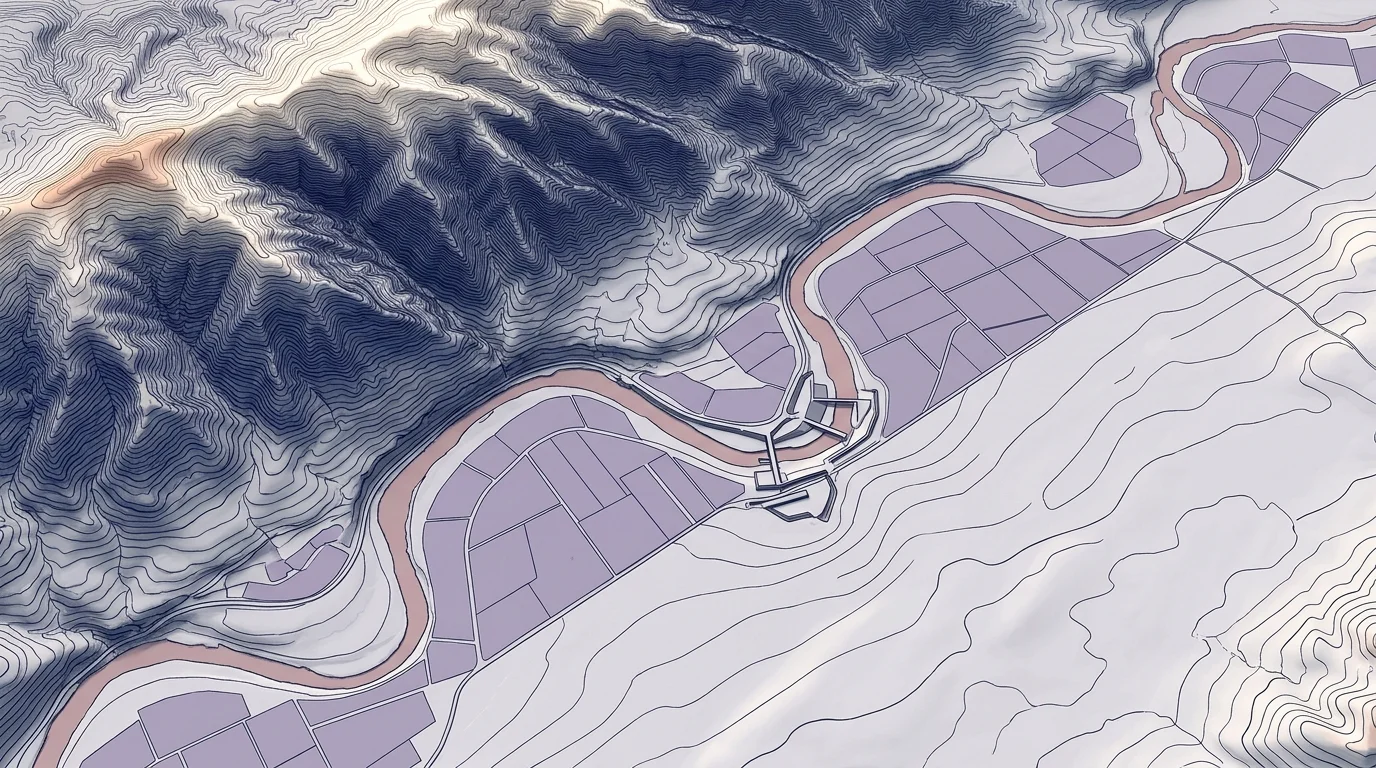
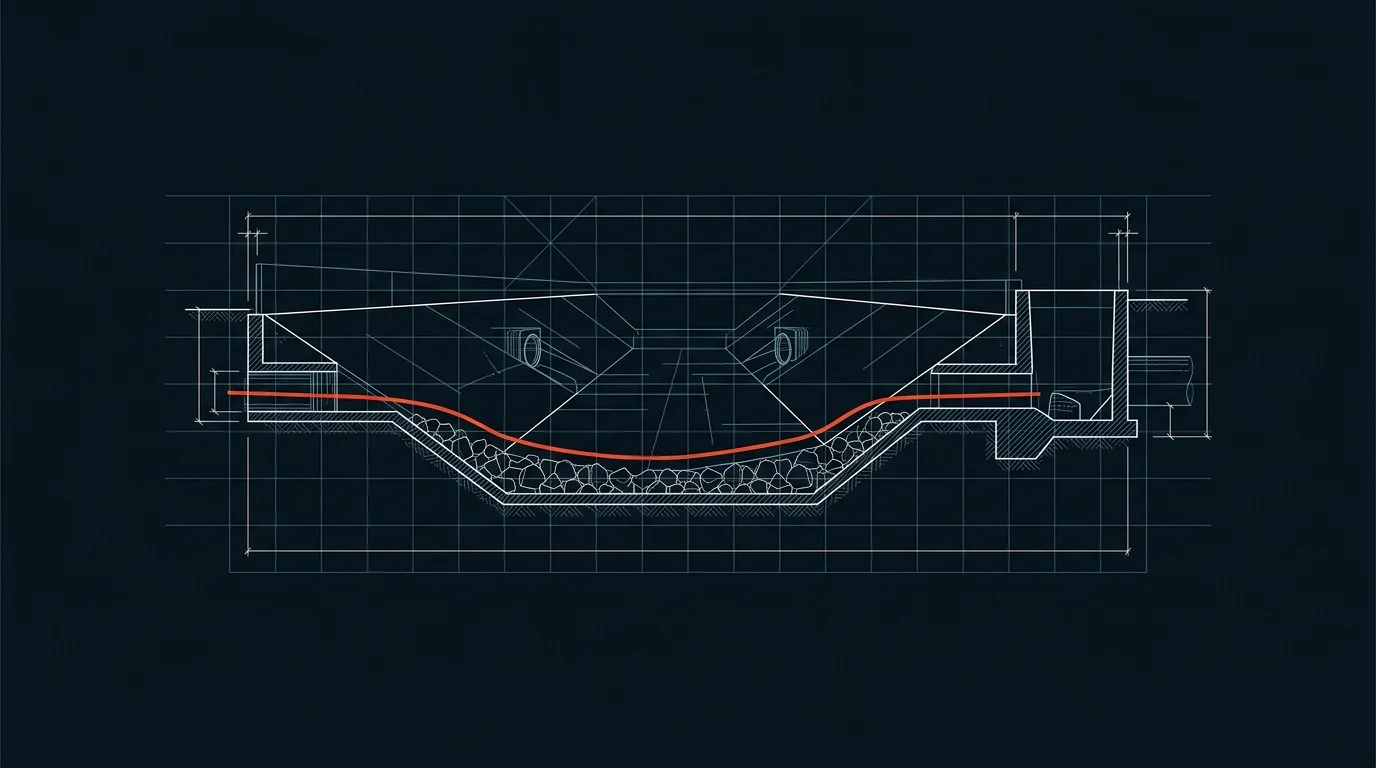
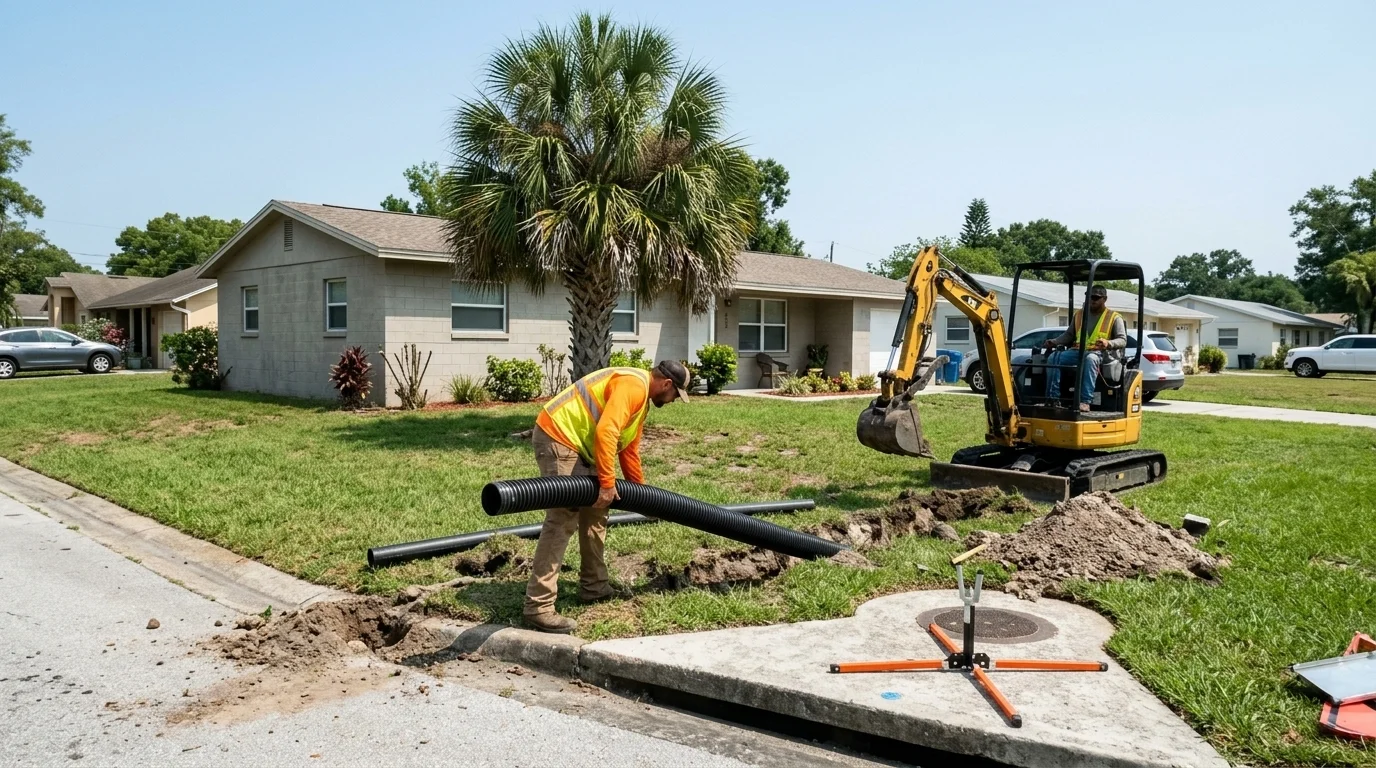
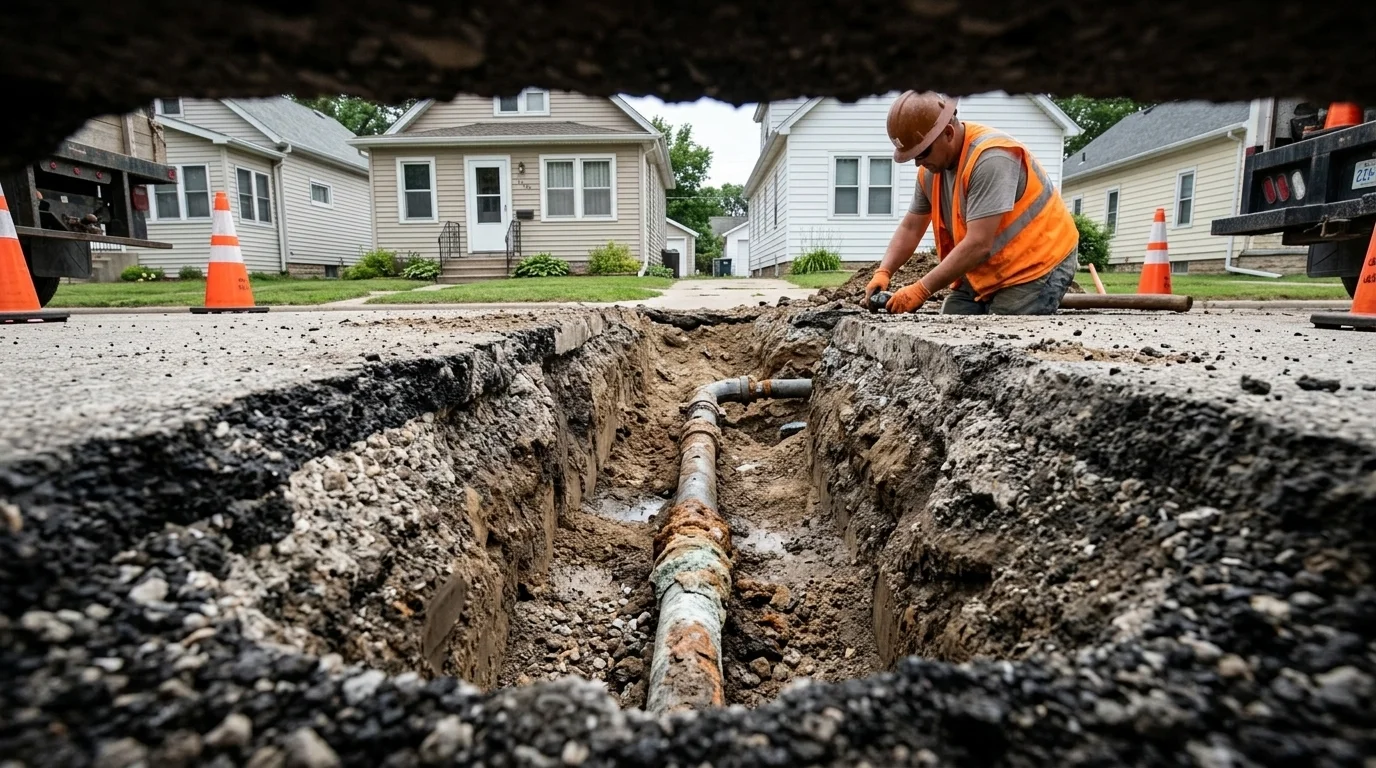
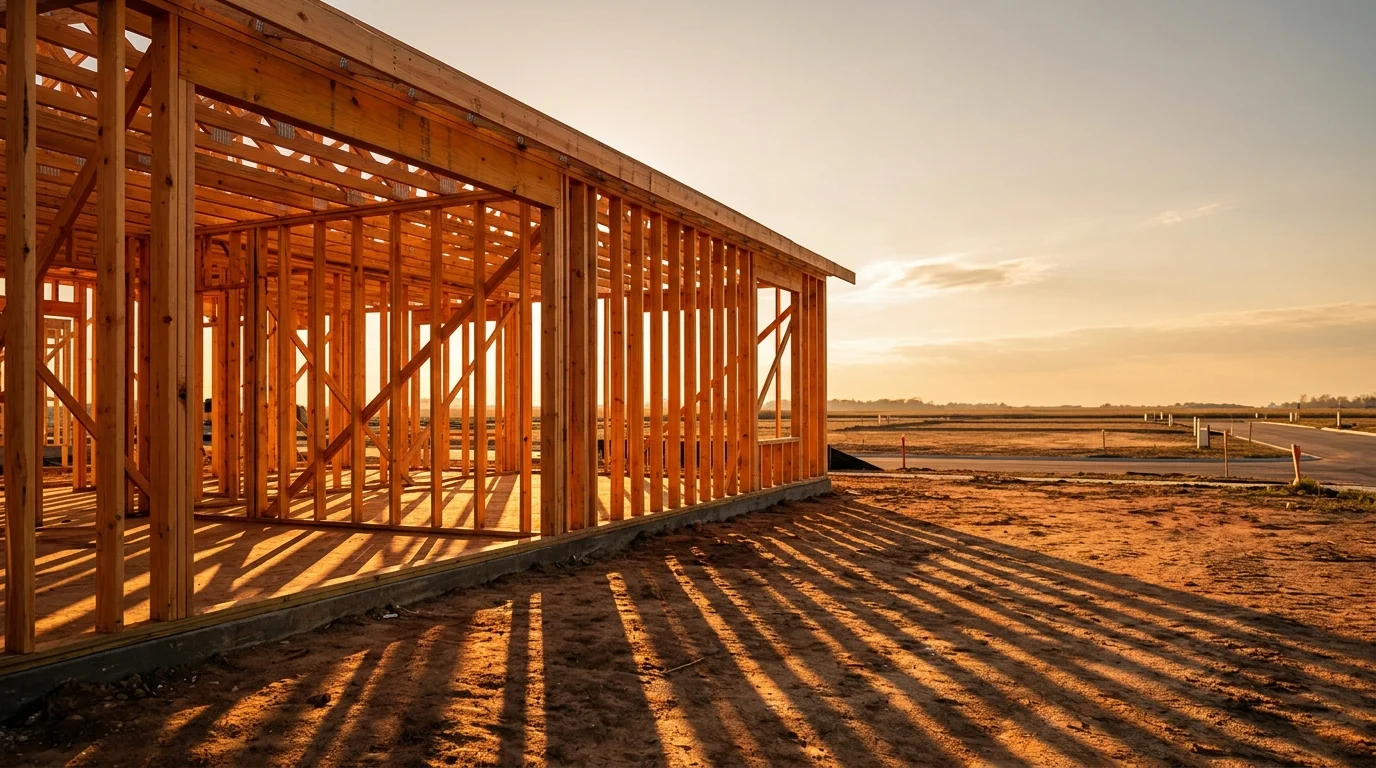
The Legacy Park Subdivision will rise on a 10-acre parcel along County Road 15 in Osolo Township, a fast-growing corridor near the Indiana Toll Road where market-rate developments have been multiplying for years. Unlike Habitat's traditional model of building one or two homes at a time on scattered lots, this project involves constructing an entire neighborhood from scratch, including new roads, sidewalks, water and sewer lines, a retention pond, and fire hydrants, all of it becoming part of Elkhart's public infrastructure.
The scale reflects both the severity of the local housing crunch and a shift in how Habitat affiliates around the country are working. Median home prices in Elkhart County have roughly doubled since 2017, driven in large part by the post-pandemic RV boom that pulled workers into the region faster than housing could be built. With factory jobs paying $18 to $25 an hour against a median home price now above $230,000, entry-level homeownership has moved out of reach for much of the workforce.
Scattered infill lots, Habitat's traditional feedstock, have largely dried up in a hot market. Subdivision-scale development offers economies of scale on infrastructure costs that make the math workable. State and federal funding has helped too: Indiana's 2023 Residential Housing Infrastructure Assistance Program created a revolving fund specifically to cover the kind of sewer, water, and road work that typically makes affordable subdivisions financially impossible.
Habitat has posted the infrastructure bid through engineering firm Abonmarche Consultants, which is coordinating contractor selection. Once a contractor is chosen and ground is broken, the 23 lots will be developed as single-family homes for income-qualifying families who contribute sweat equity and take on affordable mortgages.
How quickly those homes can be built and occupied will be a test of whether nonprofit development can scale fast enough to meaningfully dent a housing shortage that has, in one of the stranger economic ironies in the Midwest, left the people who build America's portable homes without permanent ones of their own.