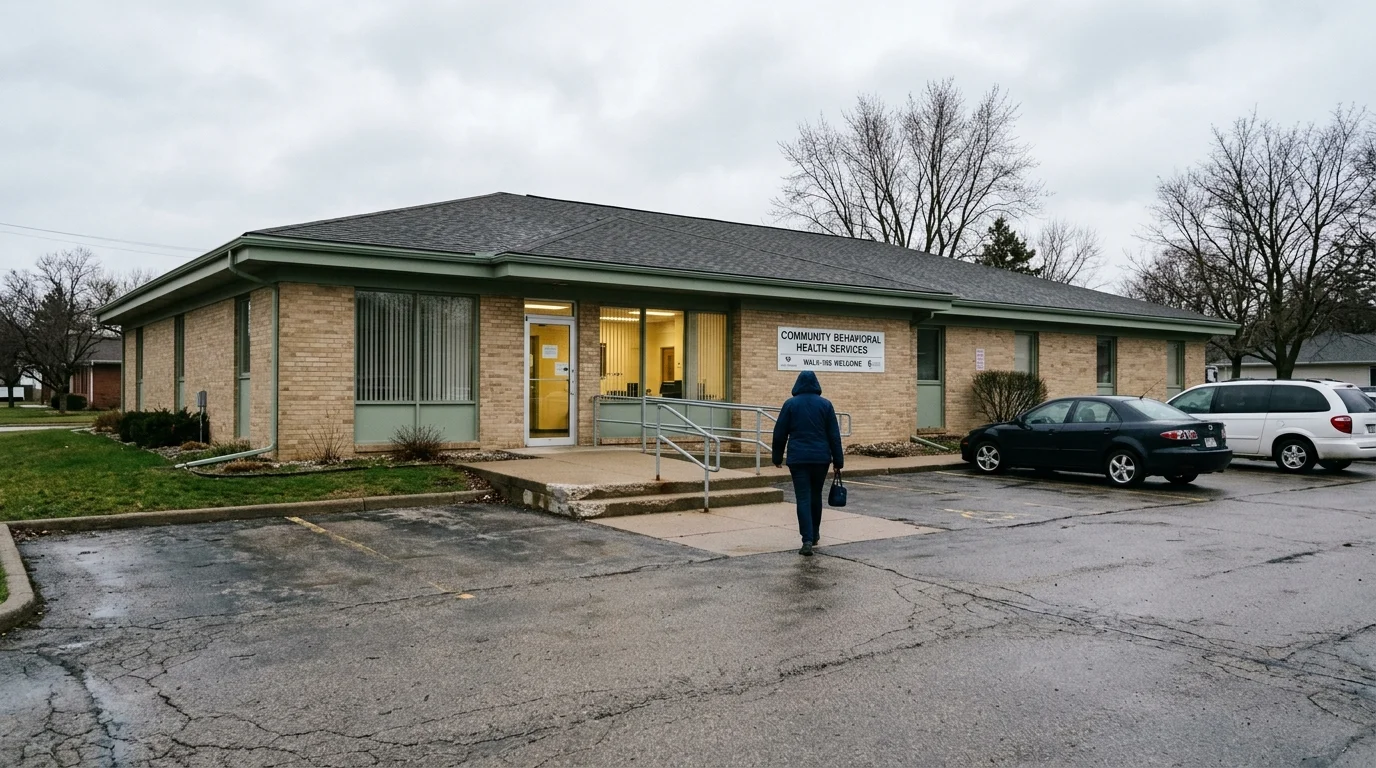
In the southernmost corner of America's wealthiest state, roughly 219,000 residents of Cumberland and Salem counties, New Jersey face a broadband landscape that looks more like rural Appalachia than a suburb of Philadelphia: slow speeds, limited choices, and prices that reflect a near-total lack of competition. A federal grant of $22.7 million from the Department of Commerce is now moving to change that by building the fiber-optic backbone those communities have never had.
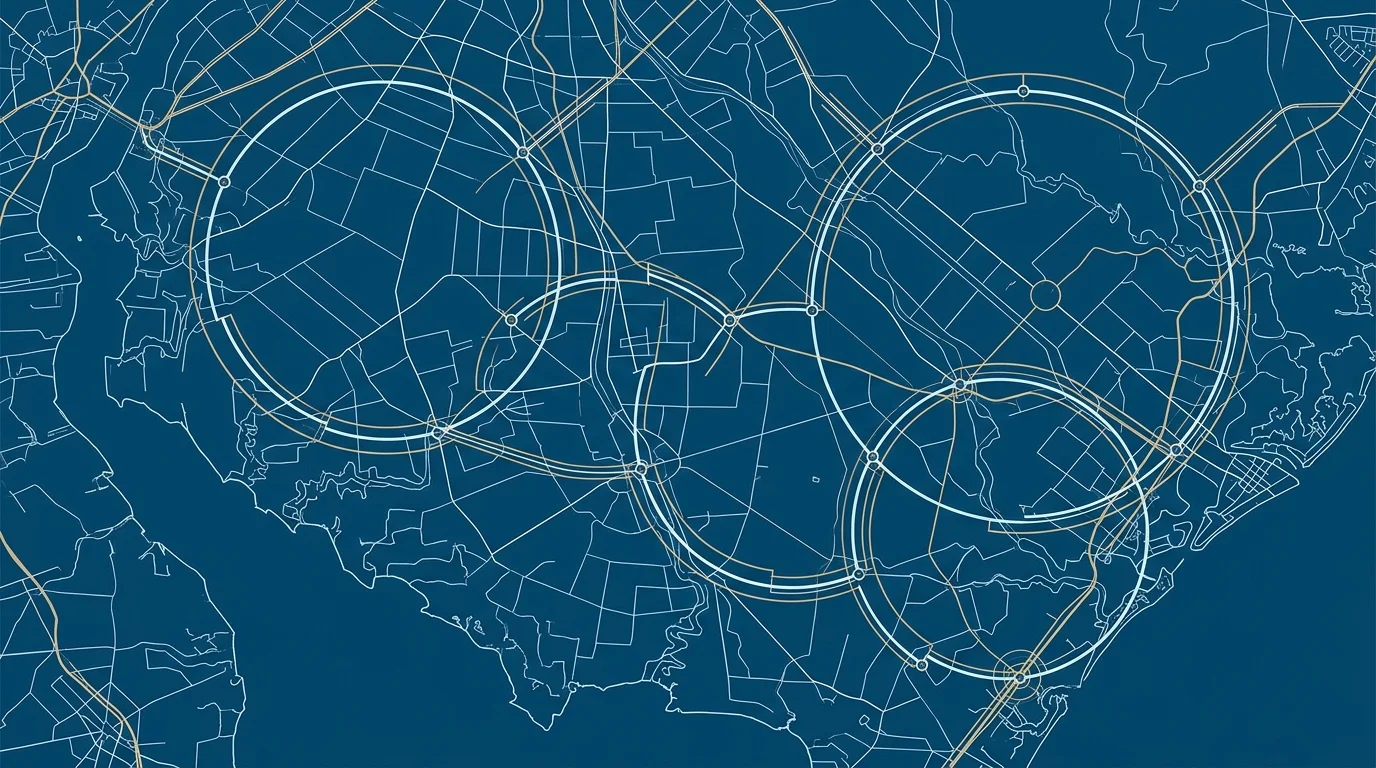
The project will lay approximately 220 miles of fiber across the two counties, arranged in four interlocking rings that connect to Philadelphia and Delaware. That redundant design means a single break in the line won't knock out an entire community, a real concern in rural areas where a fiber cut can strand residents for days. The network will also tie into major internet exchange points near Philadelphia, giving it high-quality upstream connectivity.
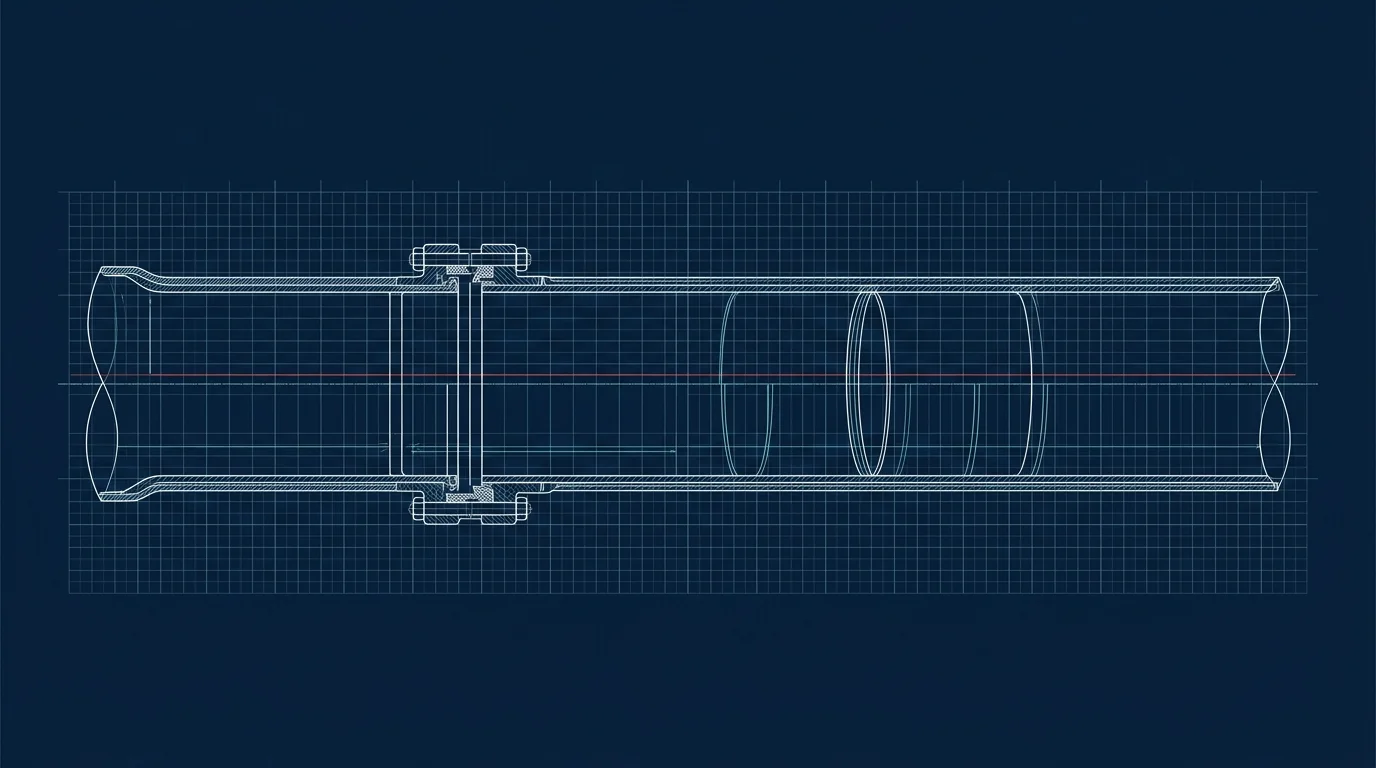
The strategic design of the project is what could make it transformative. The fiber being built is what's known as middle mile infrastructure: it connects local networks to the broader internet but doesn't run directly to homes. Think of it as building a highway rather than a driveway. By requiring open access on equal terms to any internet provider that wants to connect, the project is designed to invite smaller ISPs into a market currently dominated by incumbents with little incentive to improve service or cut prices. More than 22 percent of census blocks in the two-county region are classified as completely unserved, according to federal mapping data.
The poverty rates here are striking for a state with a median household income approaching $97,000. Cumberland County's poverty rate runs at 14.4 percent and Salem's at 13 percent, well above New Jersey's 9.4 percent average. Educational attainment lags badly too: fewer than 17 percent of Cumberland adults hold a bachelor's degree, compared to nearly 41 percent statewide. The region's economy, long tied to agriculture, glassmaking, and food processing, never fully modernized, and the absence of reliable broadband has compounded that disadvantage, limiting remote work, telehealth access, and educational opportunity.
The COVID-19 pandemic sharpened the stakes. When schools and workplaces shifted online in 2020, communities without adequate broadband were effectively cut off. That crisis helped drive the bipartisan Infrastructure Investment and Jobs Act, signed in 2021, which dedicated $1 billion specifically to middle mile projects like this one.
Construction is expected to take approximately two years. Whether last-mile providers will actually follow the middle mile investment into these counties remains the key open question: critics of the middle mile approach nationally have argued that building the backbone isn't enough without parallel funding to connect individual homes and businesses.