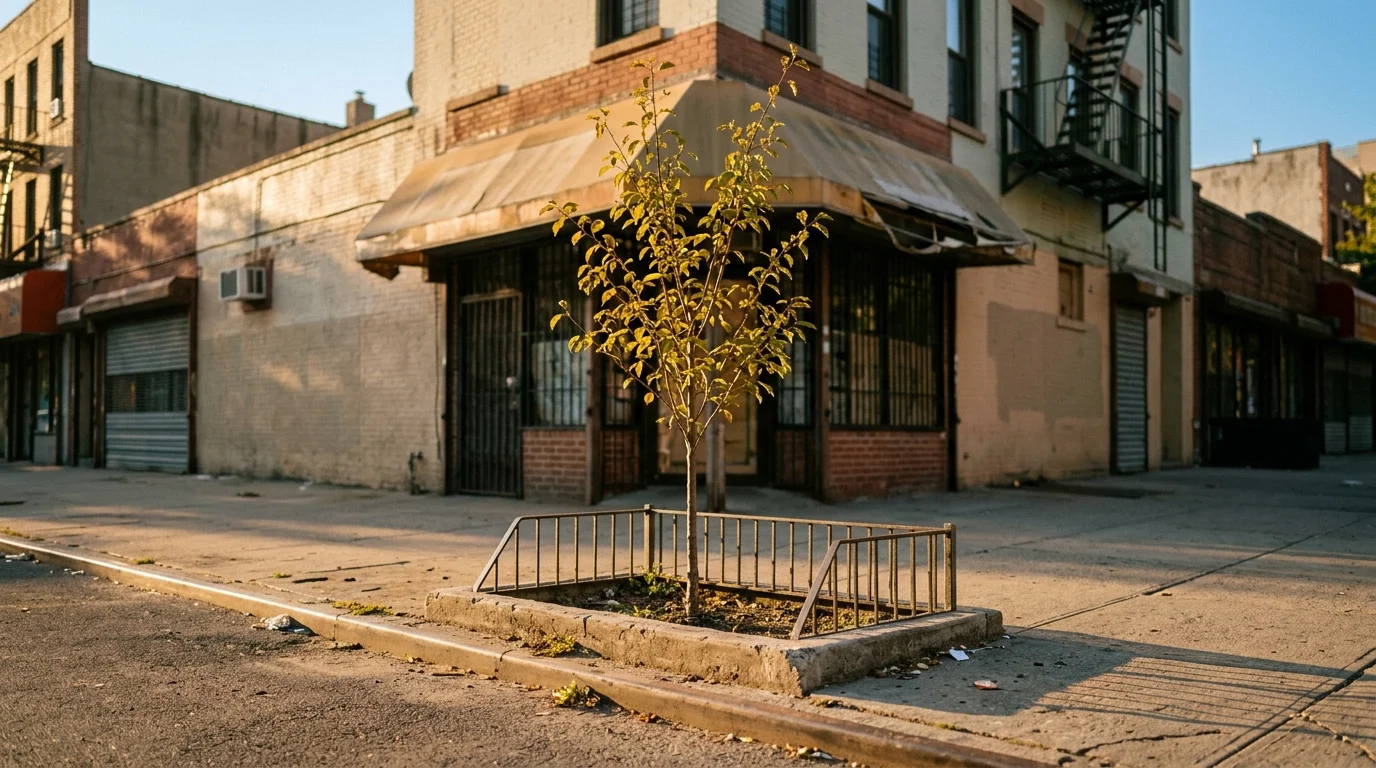
East Harlem, one of Manhattan's least-shaded and most heat-stressed neighborhoods, is moving forward with a concentrated tree corridor project that advocates have pushed for over a generation.
The neighborhood is home to roughly 120,000 residents, the majority Latino, and carries some of the heaviest environmental burdens in New York City. Tree canopy coverage sits around 12 to 15 percent, compared to more than 25 percent just blocks away on the Upper East Side. Summer temperatures in East Harlem can run 5 to 20 degrees hotter than in wealthier parts of the same borough, a gap researchers have documented alongside the unequal distribution of urban green space. Pediatric asthma hospitalization rates have historically run four to five times the citywide average, amid decades of siting bus depots, waste transfer stations and power plants in the neighborhood while green infrastructure went elsewhere.
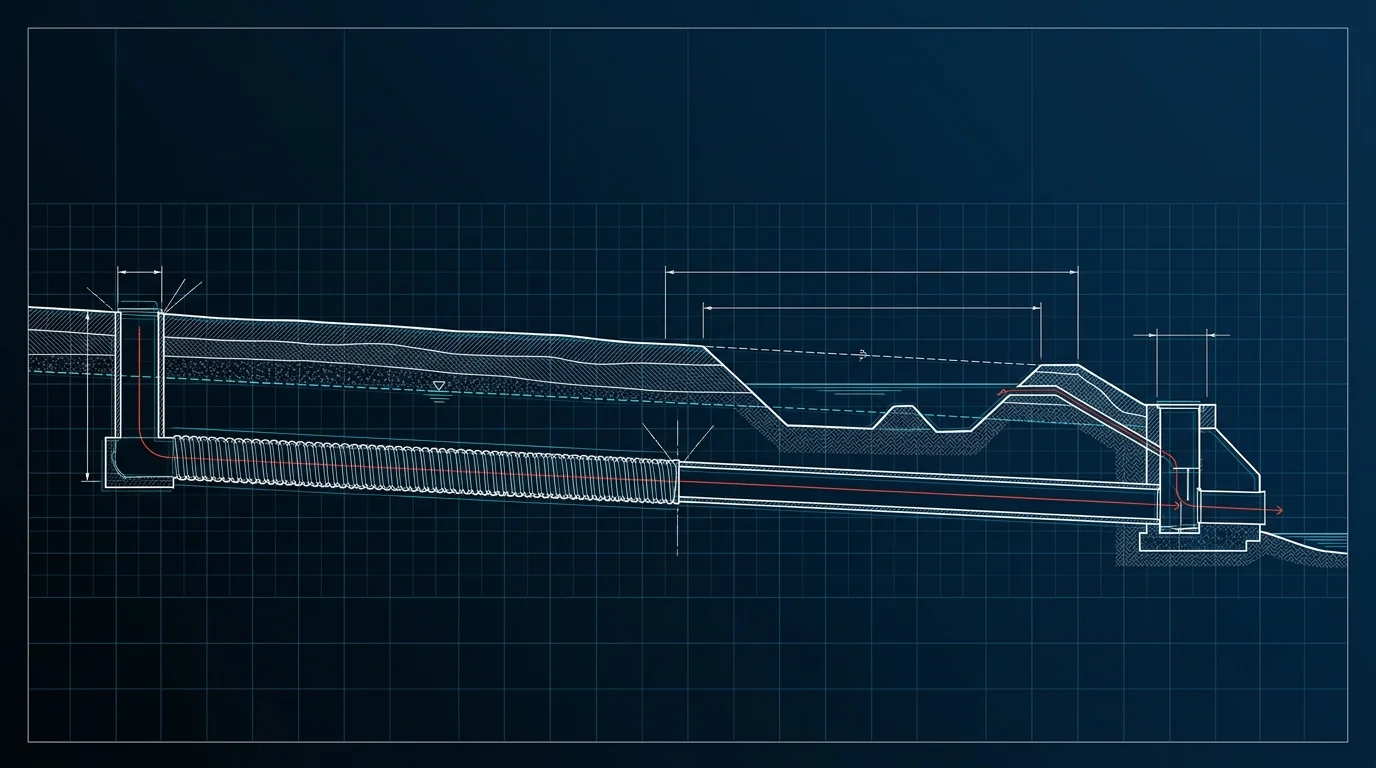
The East Harlem Tree Corridor Project takes a different approach than earlier citywide efforts. Where MillionTreesNYC (2007 to 2015) scattered plantings across the five boroughs with mixed results in lower-income areas, the corridor concept concentrates work along specific streets, combining tree pit construction, soil preparation and potentially bioswale integration. The goal is better-supported trees rather than dispersed plantings that struggle without follow-through maintenance.
The project fits within NYC's updated PlaNYC framework, which set a 30 percent citywide canopy target with explicit priority for environmental justice neighborhoods. Federal money has helped make that goal more reachable: the Inflation Reduction Act of 2022 directed $1.5 billion to the USDA Forest Service's Urban and Community Forestry Program, the largest such investment in U.S. history, with disadvantaged communities at the front of the line.
The specific agency overseeing the project and the total dollar figure have not been confirmed in publicly available records. The project was posted through the New York State Contract Reporter portal, and full procurement details require a portal login to access.
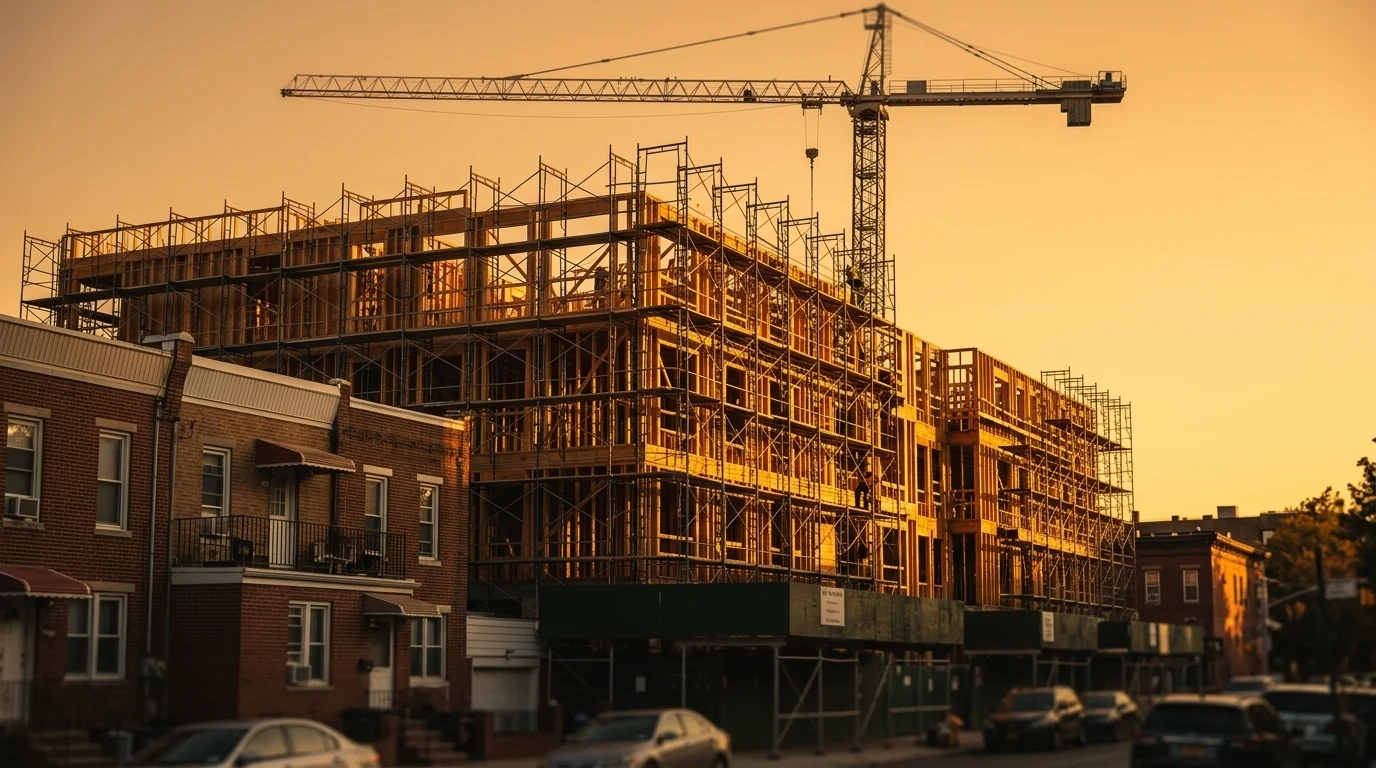
The corridor runs through a built environment defined by NYCHA superblocks, hard commercial corridors along 116th Street, 125th Street and Third Avenue, and the ongoing disruption of Second Avenue Subway Phase 2 construction. As the neighborhood gentrifies along its southern and western edges, one open question is whether the long-promised green amenities will primarily benefit longtime residents or accelerate displacement pressure. That question is likely to follow this project as construction gets underway.