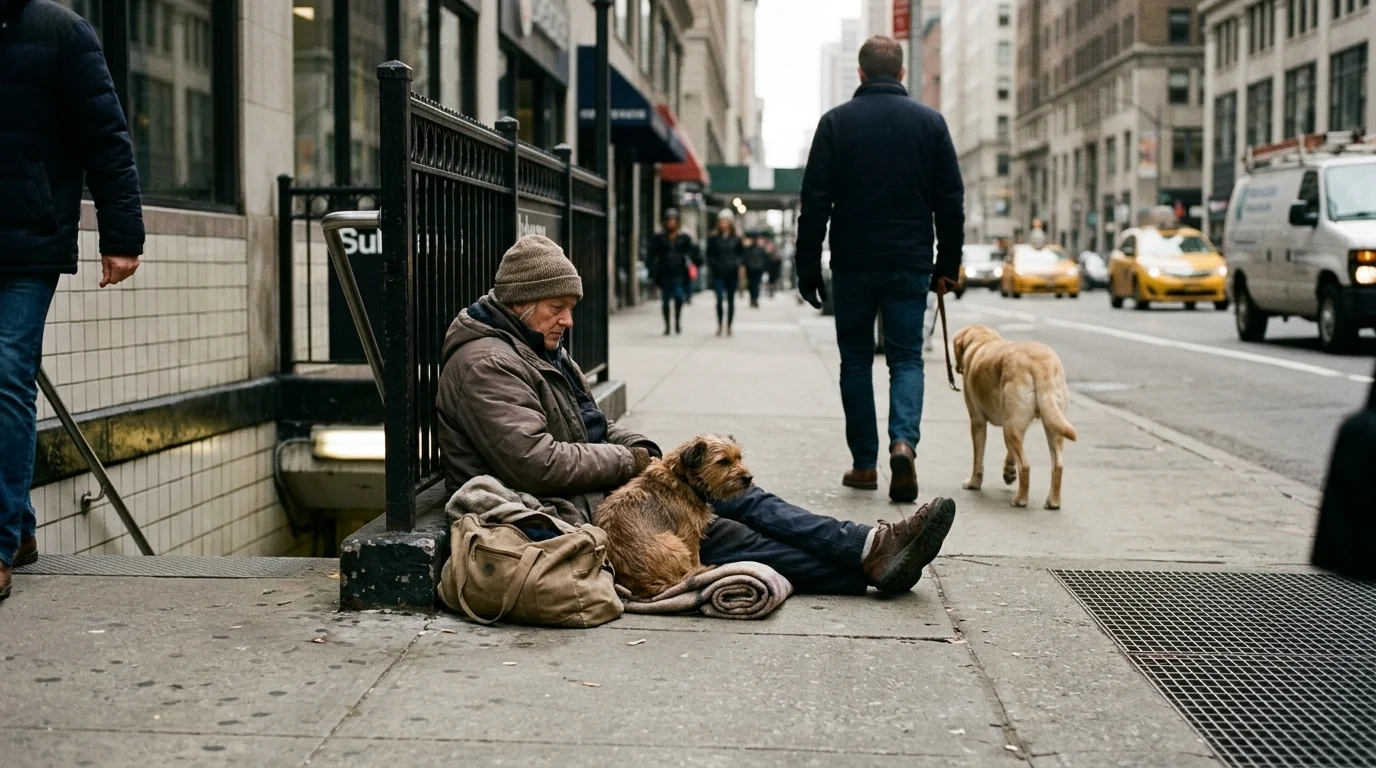
New York City is expanding its network of Safe Haven shelters through an open-ended procurement that accepts new provider proposals on a continuous basis, signaling that city officials see no quick end to the crisis of chronic street homelessness.
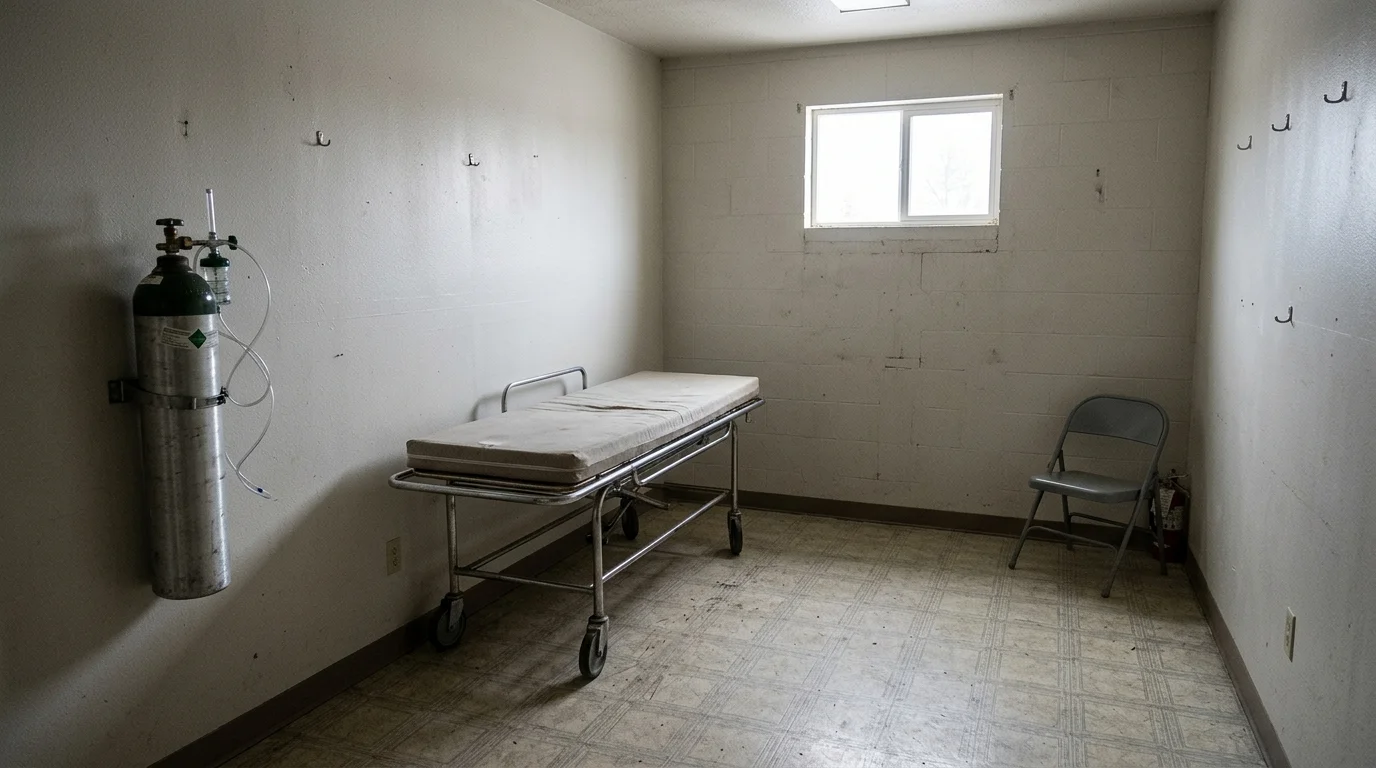
Safe Havens are a specific shelter model built for people who have repeatedly turned down traditional congregate housing: low-barrier, smaller-scale facilities that allow pets, don't enforce curfews, and don't require sobriety. The city has grown its Safe Haven inventory from a few hundred beds to several thousand over the past decade, but the 2024 HOPE Count still tallied more than 4,000 unsheltered individuals on a single night in January, and advocates argue the true number is considerably higher.
By structuring the procurement as an open-ended RFP rather than a one-time competitive bid, the city is building a standing pipeline of vetted providers it can activate as funding and need arise. No total contract value, bed-count target, or program timeline was disclosed in the solicitation.
Source: NationGraph.
The move comes at an unusual moment in New York homelessness policy. Mayor Eric Adams and Governor Kathy Hochul have pushed a more interventionist posture since 2022, expanding outreach teams and broadening criteria for involuntary psychiatric hospitalization of people living on streets and subways. That shift drew lawsuits from civil liberties groups and criticism from the Coalition for the Homeless and Legal Aid Society, who argued it prioritized removal over housing. Safe Havens occupy a middle ground in that debate: they are voluntary and low-barrier, but they also give the city somewhere to offer people beyond a large congregate shelter or a hospital bed.
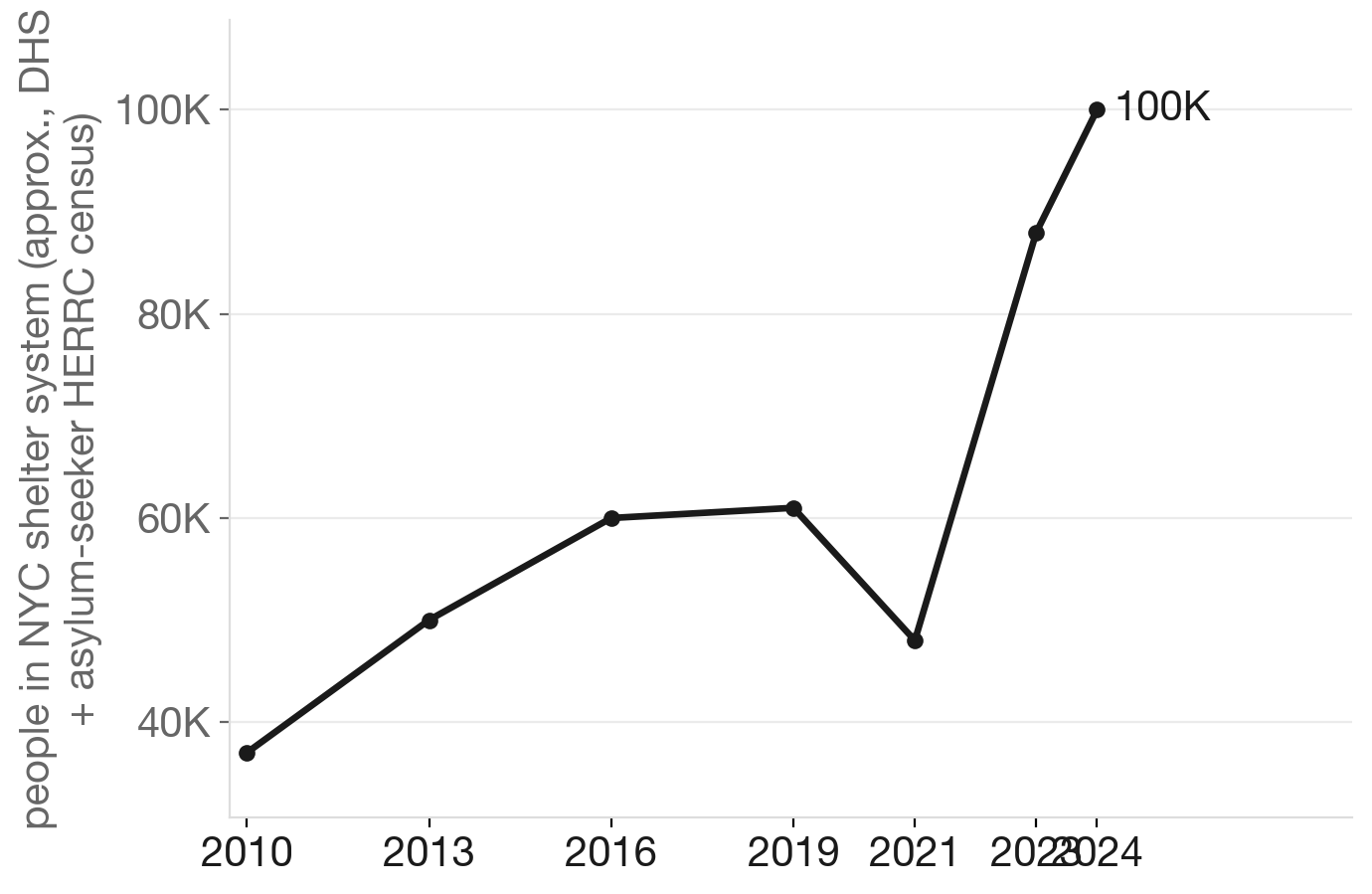
New York's legal obligation to shelter anyone who requests it, established by the 1981 Callahan v. Carey consent decree, makes the city's procurement demand for shelter and transitional housing unlike that of any other American city. The post-COVID surge, compounded by tens of thousands of asylum seekers entering the shelter system, pushed the total shelter census past 100,000 in 2024.
The agency listed on the solicitation is identified as "Freedom," which does not correspond to a standard city agency name. The source URL points to New York City's procurement portal, and the record may reflect a program name or division rather than a standalone agency. The city has not clarified the designation publicly.
Providers interested in the program can submit proposals on a rolling basis. Given the open-ended structure, there is no single award date: the city expects to onboard qualifying organizations as submissions are reviewed.