Montpelier, Vt. has been flooded twice in two summers, and the smallest state capital in the country is now moving to ensure a third disaster doesn't look the same as the first two.
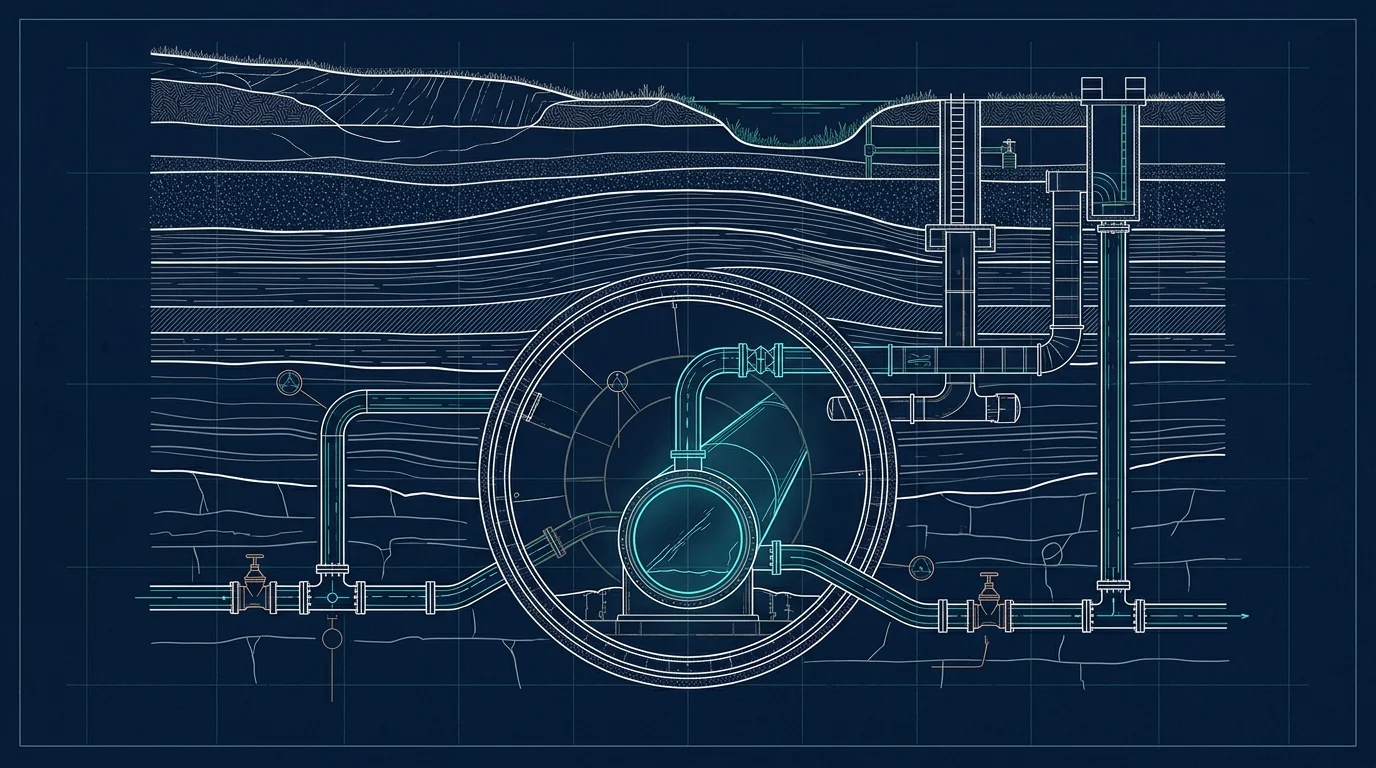
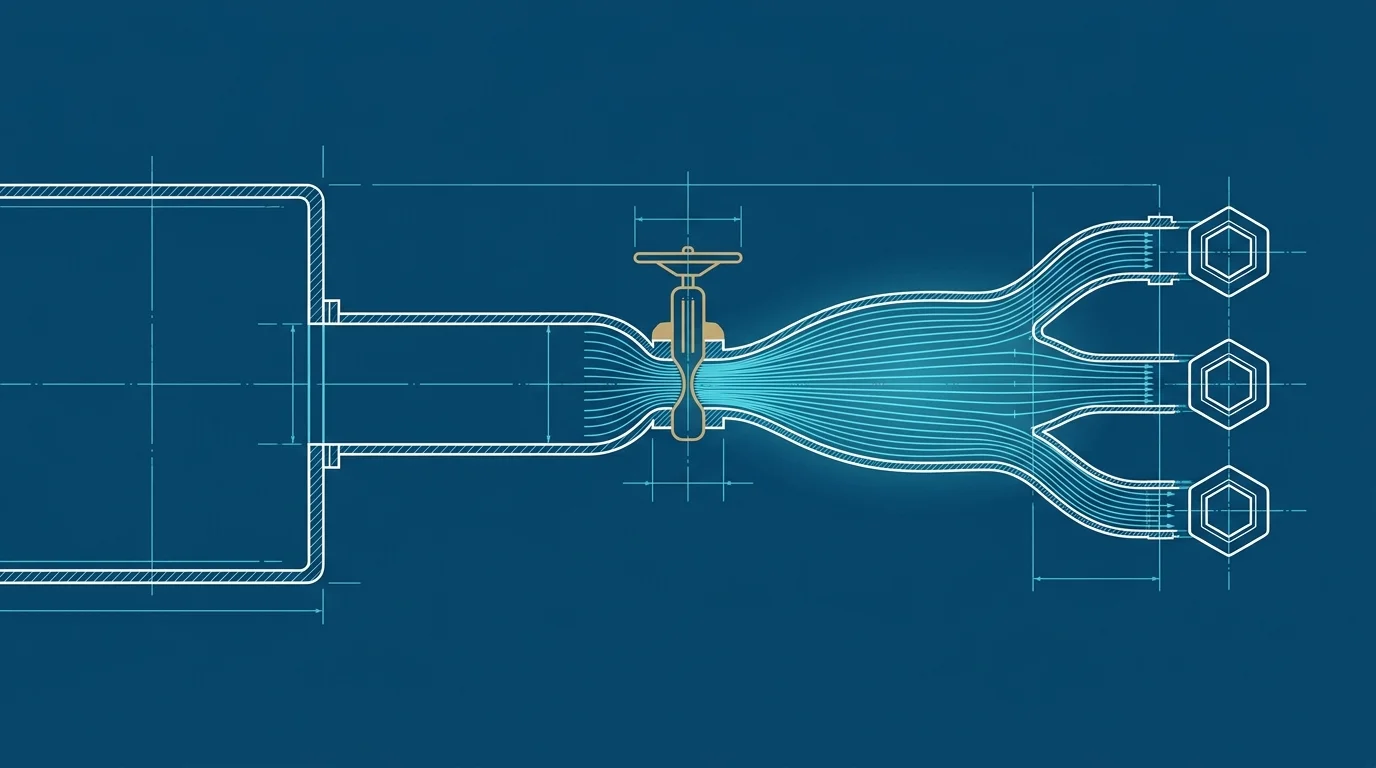
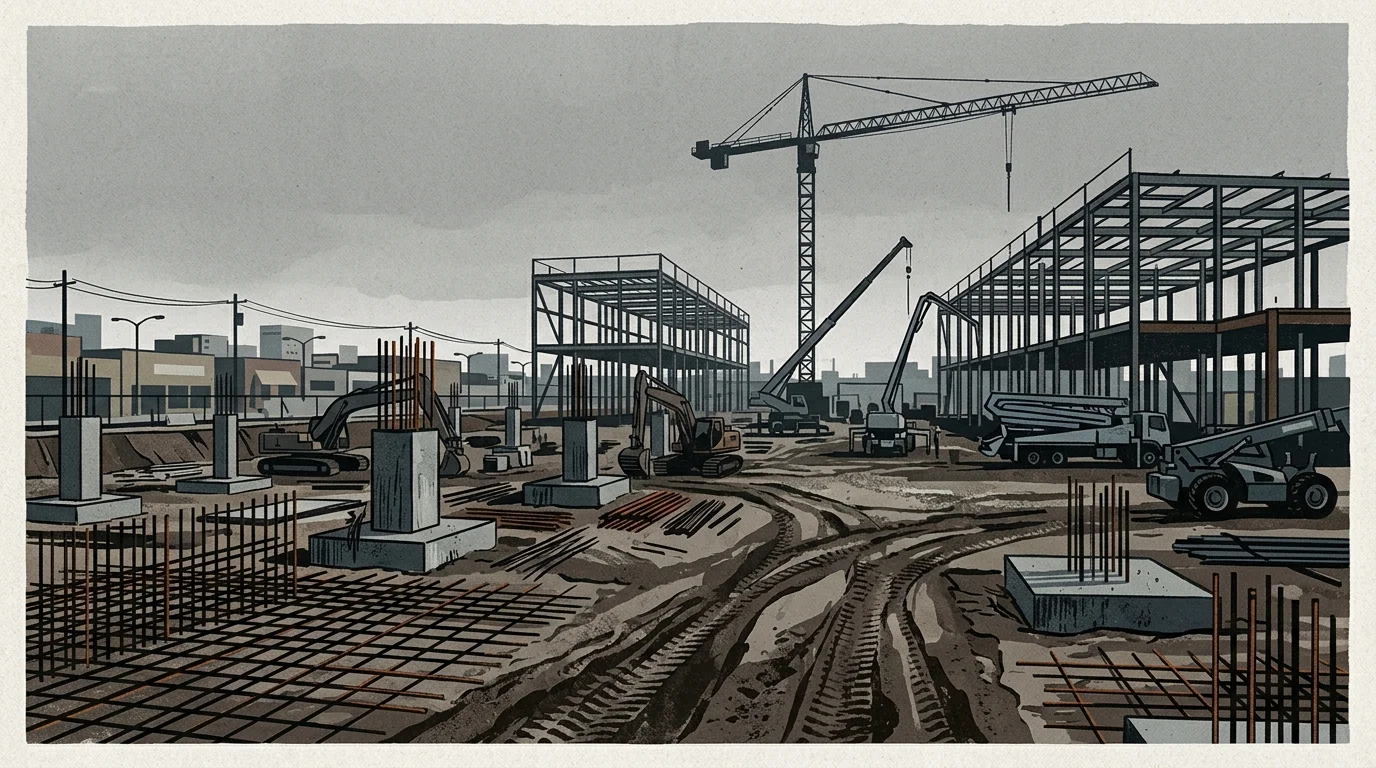
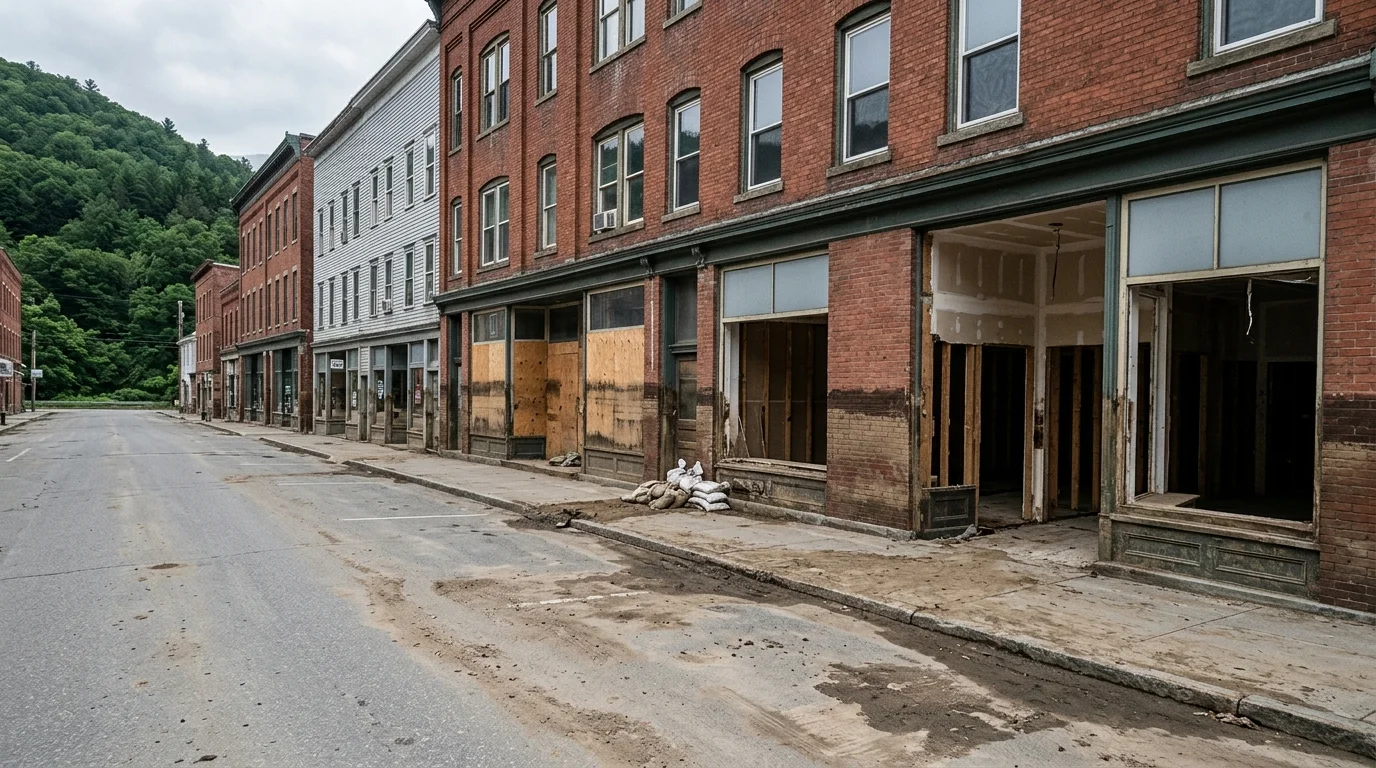
The city is hiring architects and engineers to design both reconstruction and flood mitigation projects for its battered downtown, a pairing that reflects a hard lesson learned at great cost. In July 2023, a slow-moving storm dumped up to 9 inches of rain across central Vermont in 48 hours, overwhelming the Winooski and North Branch rivers and sending water to the second floors of Main Street and State Street buildings. Ground-floor businesses were gutted, state library archives were destroyed, and infrastructure across the city was wrecked. Statewide damages exceeded $1 billion. Then, in July 2024, remnants of Hurricane Beryl hit the same downtown before it had fully recovered, making clear this was not a once-in-a-generation event.
Federal recovery money is flowing through FEMA's hazard mitigation programs and a $77 million HUD community development block grant allocation for Vermont's 2023 flood recovery. But that funding now comes with strings: communities can't simply rebuild what was there. They must design for future floods. That mandate is why Montpelier needs engineers and architects who can do both jobs at once.
The options on the table range from elevating buildings and flood-proofing ground floors to buying out some properties and relocating certain functions to higher ground entirely. The city has been developing a downtown flood resilience plan, and the tension between property owners eager to rebuild quickly and planners urging a more cautious approach has defined much of the past two years of local debate.
Montpelier's position makes all of this harder. With roughly 8,000 residents, a narrow tax base, and a small municipal staff, it has been almost entirely dependent on state and federal aid to manage a disaster that would strain a much larger city. Its compact downtown sits at the confluence of two rivers in a valley that naturally funnels floodwaters through the commercial core, a geography that isn't changing.
The city posted the solicitation on the Vermont Business Registry on Oct. 16, 2026. Which specific buildings and infrastructure end up redesigned, elevated, or moved will depend on who is hired and what the engineering assessments show, questions that won't have answers until that work is underway.