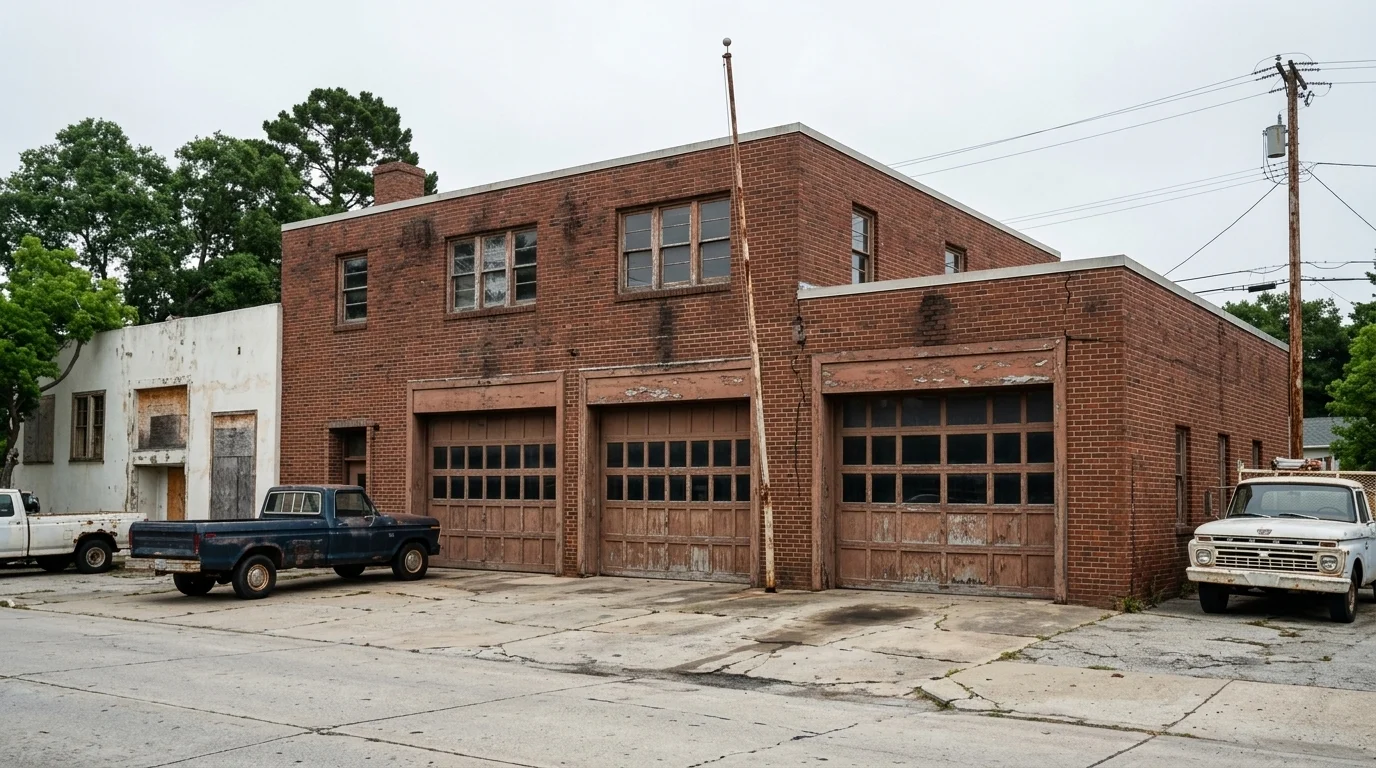
Dearborn Heights, Mich., is moving to build a new fire station, a long-overdue upgrade for a city of 63,000 whose fire department has operated out of stations built during the mid-century suburban boom, facilities that predate modern safety standards by decades.
The project, posted to Michigan's intergovernmental bid portal this week, puts Dearborn Heights among a wave of inner-ring Detroit suburbs tackling fire infrastructure that has been deferred for a generation. The city has not disclosed a budget or site location; those details are expected to come through the procurement process.
The stakes are more than cosmetic. Nationally, 43% of fire stations are more than 40 years old, according to a National Fire Protection Association assessment, and many lack features that are now considered standard: diesel exhaust capture systems, decontamination rooms, and separated living quarters that keep contaminated gear away from where firefighters sleep and eat. That separation matters because cancer has become the leading cause of firefighter line-of-duty deaths, accounting for roughly 66% of career fatalities from 2002 to 2019, according to the International Association of Fire Fighters.
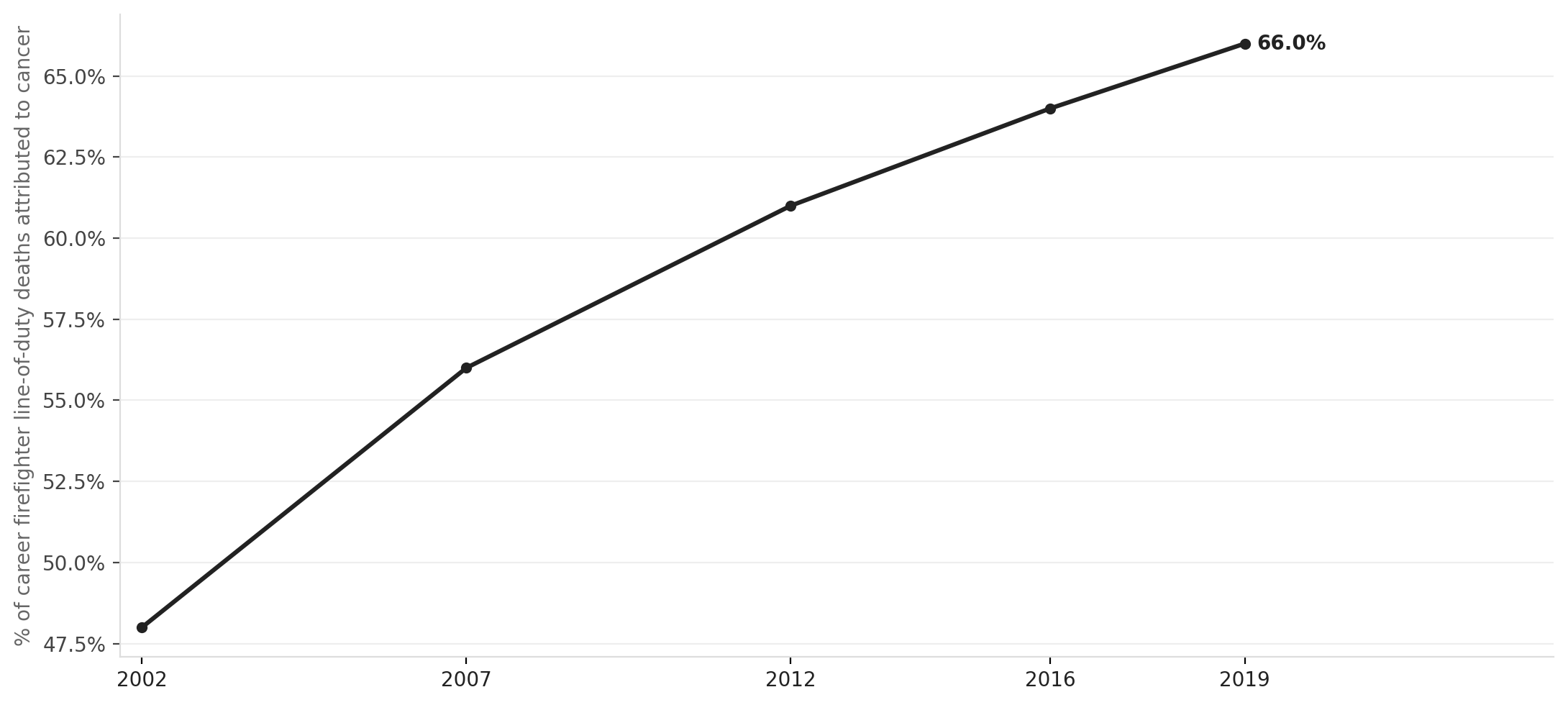
Source: NationGraph.
For Dearborn Heights, the urgency was sharpened by the June 2021 flooding disaster, which the state declared a disaster and which overwhelmed local emergency services. The floods exposed how thin the city's capacity had become after years of fiscal constraint. Dearborn Heights spent much of the 2010s under state financial review, squeezed by an aging housing stock and a modest commercial tax base, a stark contrast to neighboring Dearborn, home to Ford Motor Company's headquarters, which opened a new consolidated fire headquarters in recent years.
Many Michigan municipalities channeled federal American Rescue Plan Act dollars into exactly this kind of public-safety infrastructure before federal spending deadlines closed out. Whether Dearborn Heights is using ARPA funds, bonding, or a combination has not been disclosed.
For residents, a new station is both a practical upgrade and a signal. Dearborn Heights, which has one of the largest Arab American populations in the country and a diverse working-class base, has long felt overshadowed by its higher-profile neighbors. Mayor Bill Bazzi, the city's first Arab American mayor, has made visible investment in city services a priority since taking office in 2021. Similar projects are underway or recently completed in Livonia, Westland, and Taylor, part of the same regional reckoning over deferred public-safety infrastructure. Port Arthur, Texas faced comparable stakes when it finally moved to replace a fire station after years of delay.
The city will select a contractor through the competitive bid process, after which a construction timeline should become clearer.