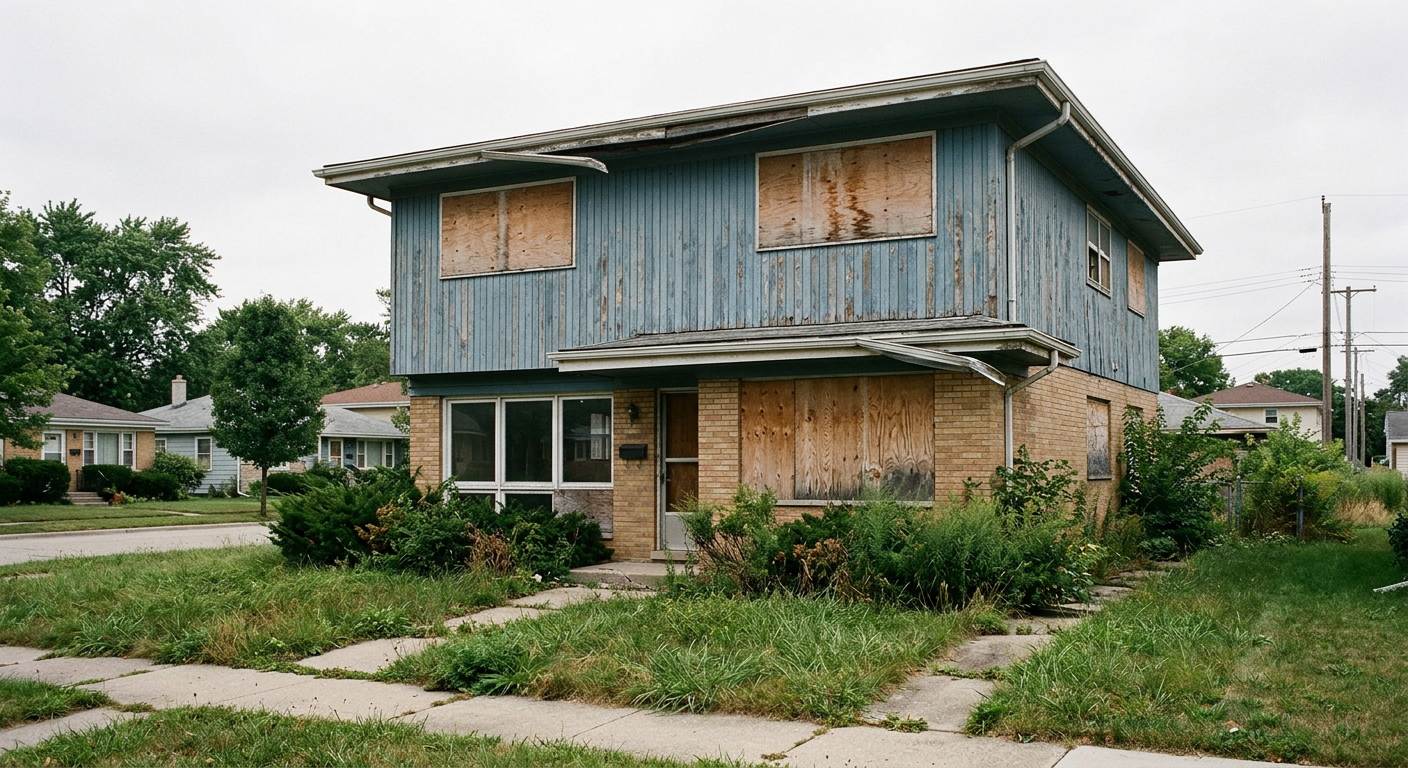
Danville, Virginia is preparing to demolish eight abandoned properties scattered across the city, each old enough to contain asbestos that must be safely removed before the buildings come down.
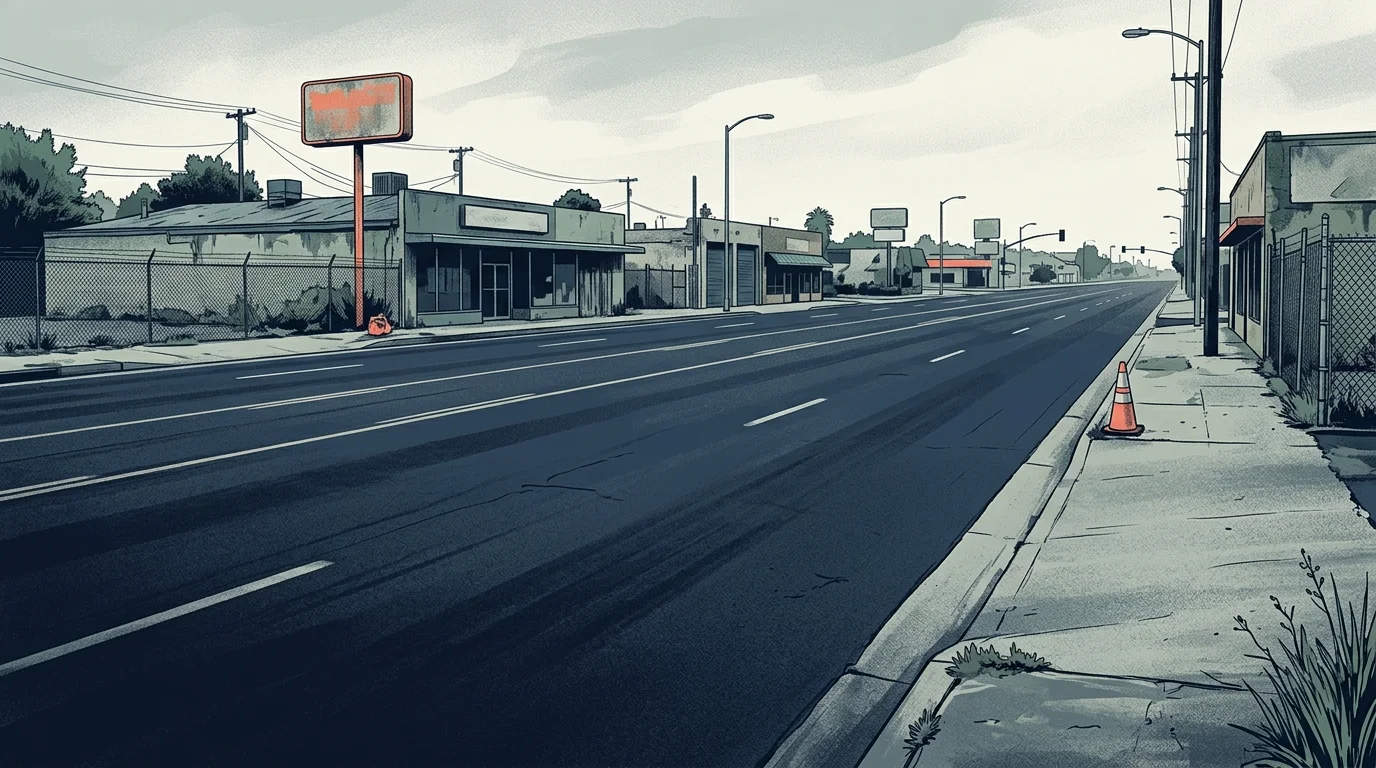
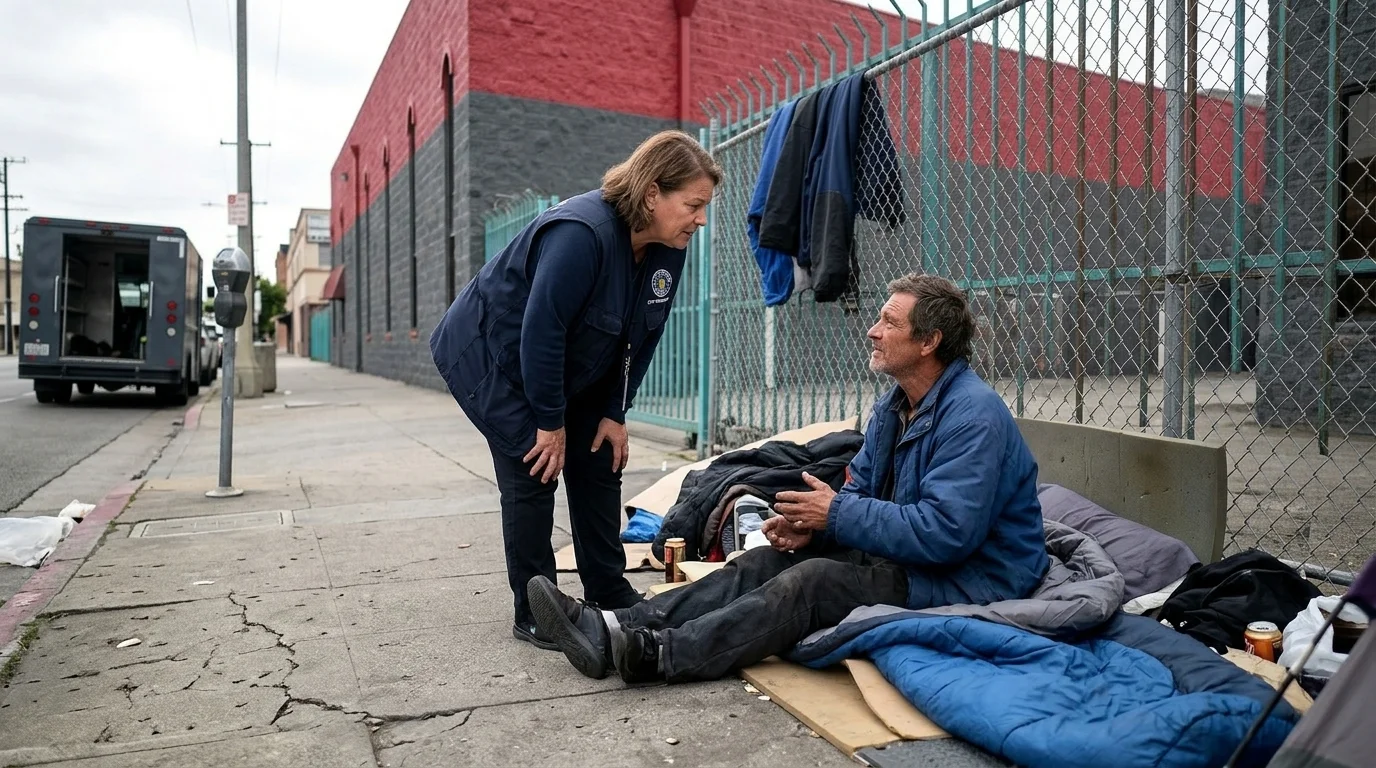
The project is the latest round in what has become a years-long campaign to clear blight from a city that lost much of its economic foundation when the American textile and tobacco industries collapsed. Dan River Inc., once Danville's largest employer, filed for bankruptcy in 2004. The population has fallen from roughly 53,000 in 1980 to about 40,000 today, leaving behind empty homes and crumbling commercial buildings concentrated in the city's lowest-income and predominantly Black neighborhoods.
Because much of Danville's housing stock dates to the early and mid-20th century, asbestos is embedded in insulation, floor tiles, roofing, and siding. Federal clean air regulations and Virginia environmental law require that licensed crews strip out those hazardous materials before any demolition can begin. Disturbing asbestos without proper abatement can send cancer-causing fibers into the air, a serious risk for nearby residents.
The city is now seeking a contractor to handle both the abatement and demolition across all eight sites as a single bundled project, a batch approach that typically costs less than tearing down properties one at a time. Danville has historically relied on a mix of local funds, state housing grants, and federal Community Development Block Grant dollars to finance demolitions like these, though the city has not disclosed funding details for this particular round.
The push to clean up carries added urgency. Danville is in the middle of an economic pivot anchored by Caesars Virginia, a permanent casino resort representing an estimated $650 million investment currently under construction. A revitalized River District downtown and new manufacturing recruitment along the U.S. 29 corridor are also part of the city's bid to attract outside dollars. City leaders have framed blight elimination as foundational to that transformation, arguing that investors and tourists need to see a city on the upswing, not one defined by decay.
With a poverty rate near 23 percent, more than double the Virginia average, and a median household income roughly half the statewide figure, the stakes for residents go beyond appearances. Abandoned buildings attract crime, depress surrounding property values, and pose direct health and safety hazards.
The city posted the solicitation in early April after holding a walk-through of all eight properties in March and issuing at least one round of clarifications to prospective contractors. A timeline for when demolition crews could begin work has not yet been announced.