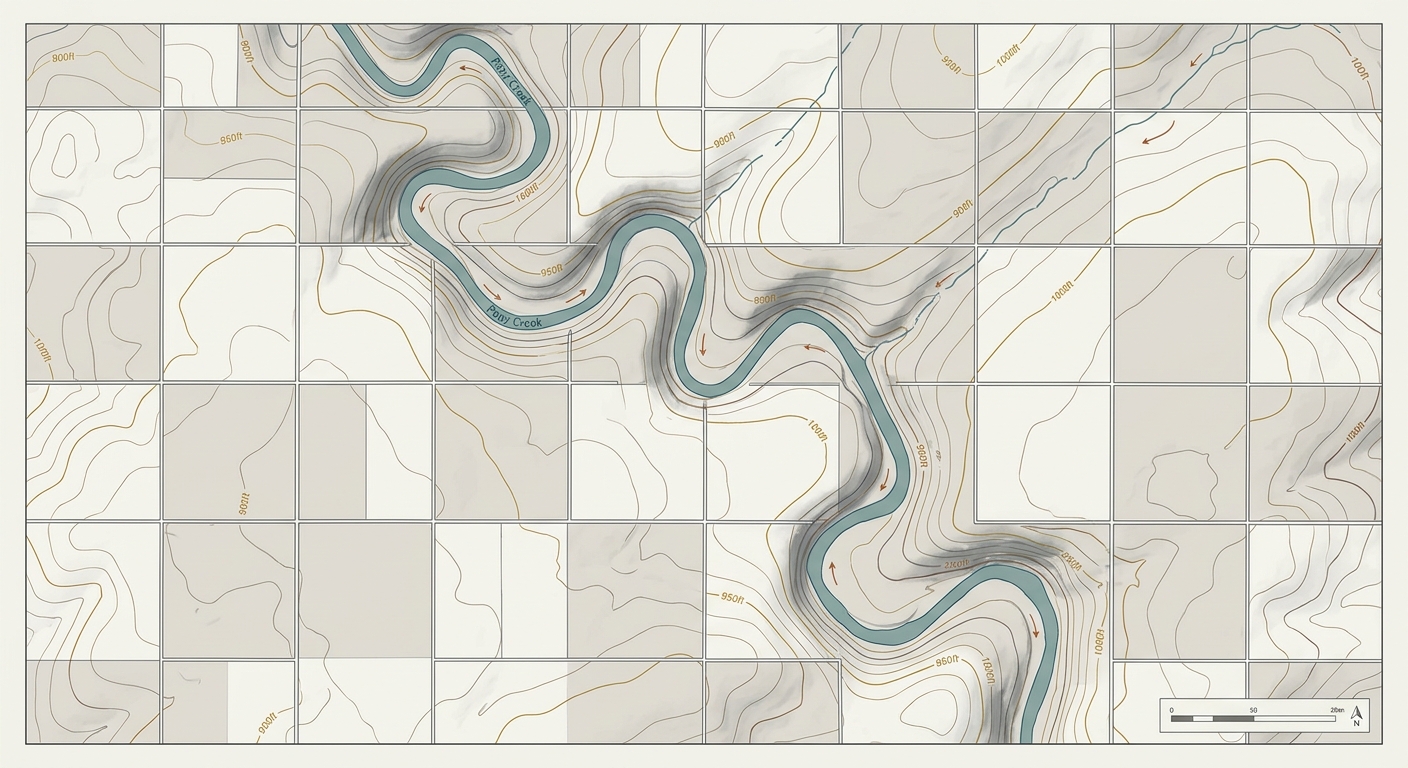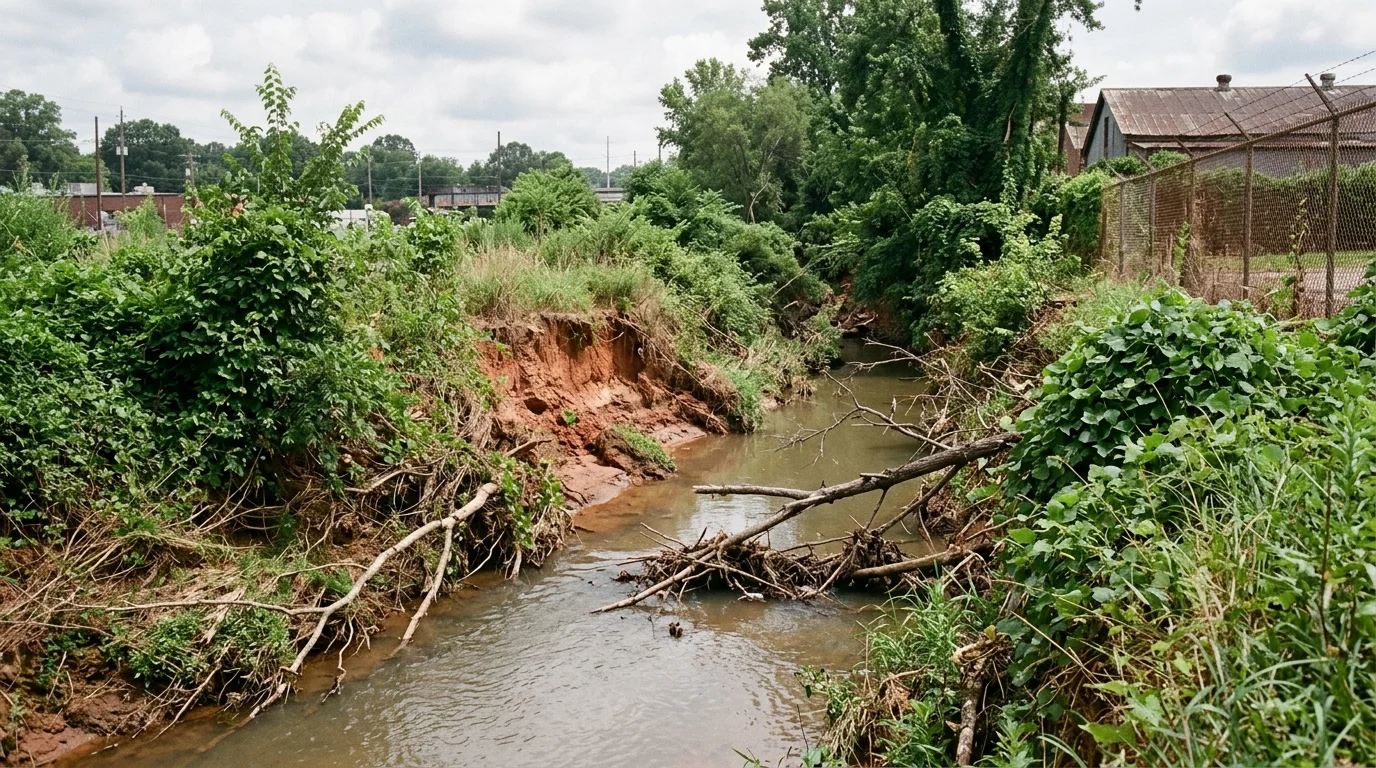
Covington, Georgia is moving to restore a floodplain along Pace Street rather than harden it, embracing a growing shift in flood management that treats streams as natural infrastructure instead of problems to be paved over.
The city, located about 35 miles east of Atlanta in Newton County, has posted a solicitation for the Pace Street Floodplain Restoration project through its purchasing portal. The full project budget and funding source are not listed in the public record, but the work is expected to involve regrading stream banks, removing fill, and replanting native vegetation to let the waterway reconnect with its historic floodway.
The approach reflects a hard lesson that engineers and federal flood managers have been absorbing for decades: the mid-20th century strategy of channeling streams and filling floodplains to make way for development created much of the flood risk cities now face. FEMA and the Army Corps of Engineers have both pivoted toward nature-based solutions, and federal programs launched since 2018 have directed billions toward floodplain reconnection as pre-disaster mitigation.
Covington's situation is a textbook example of the problem. Newton County was one of Georgia's fastest-growing counties during the 2010s, with Atlanta commuters pushing east along I-20 and bringing the sprawl trade-off with them: more rooftops, driveways, and parking lots sending stormwater into small streams that were never built to handle it. Georgia's rainfall has also grown more intense amid climate change, compounding the runoff pressure on those streams.
Restoring a floodplain rather than expanding stormwater pipes or concrete channels is generally cheaper over time. A functioning floodplain absorbs peak flows, filters pollutants, recharges groundwater, and creates wildlife habitat. It also reduces the cost of repeatedly repairing flood-damaged property and infrastructure downstream. Similar thinking has driven floodplain restoration efforts in Franklin County and in cities across Georgia including Atlanta, Athens and Savannah.
Covington's historic downtown and antebellum architecture add a preservation dimension to the flood risk. Low-lying corridors near the city center have long been vulnerable, and protecting them matters for the city's economy as well as its safety.
The city has not yet publicly confirmed a construction timeline or total project cost. Those details, along with the funding source, are expected to be outlined in the full project documents.