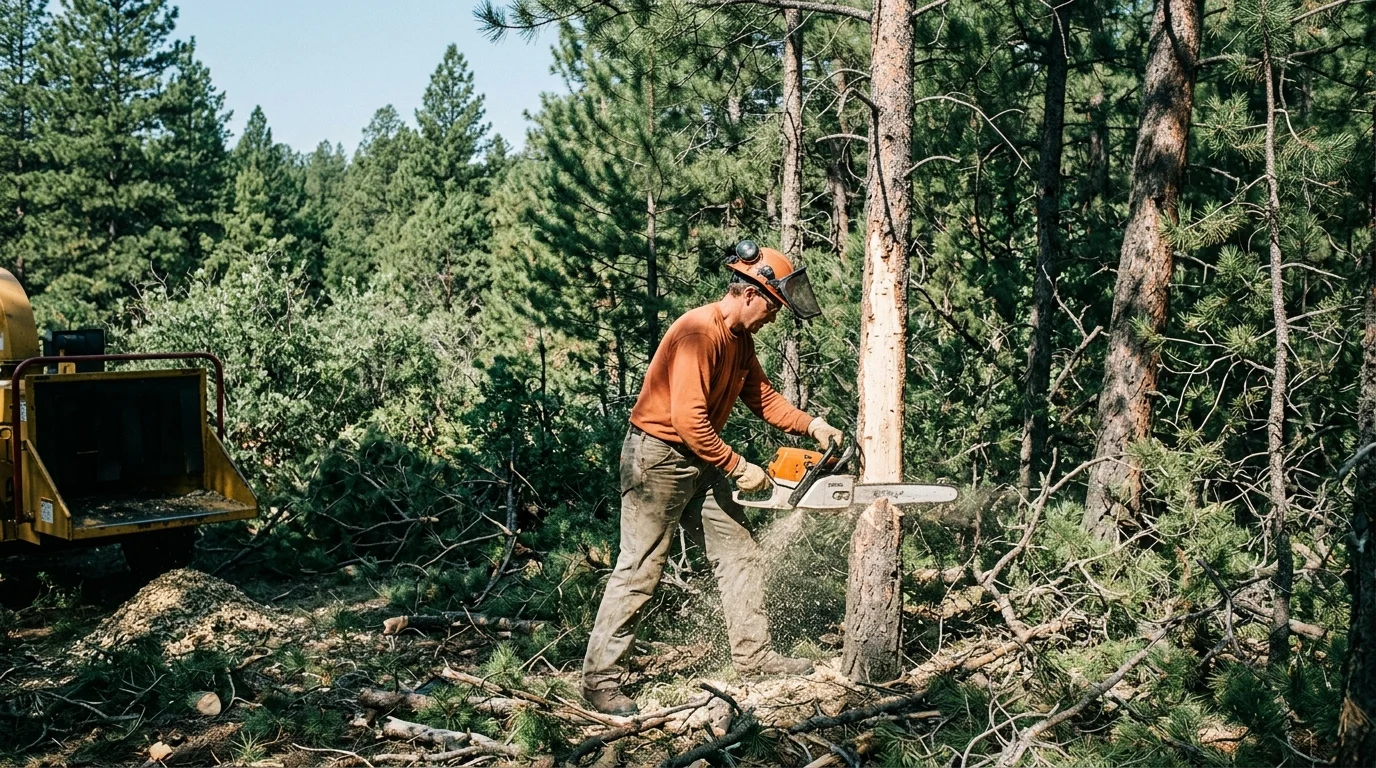
A Colorado government agency is moving to hire contractors for large-scale vegetation removal aimed at reducing wildfire risk, the latest sign that years of federal and state investment in fire prevention are finally reaching the ground.
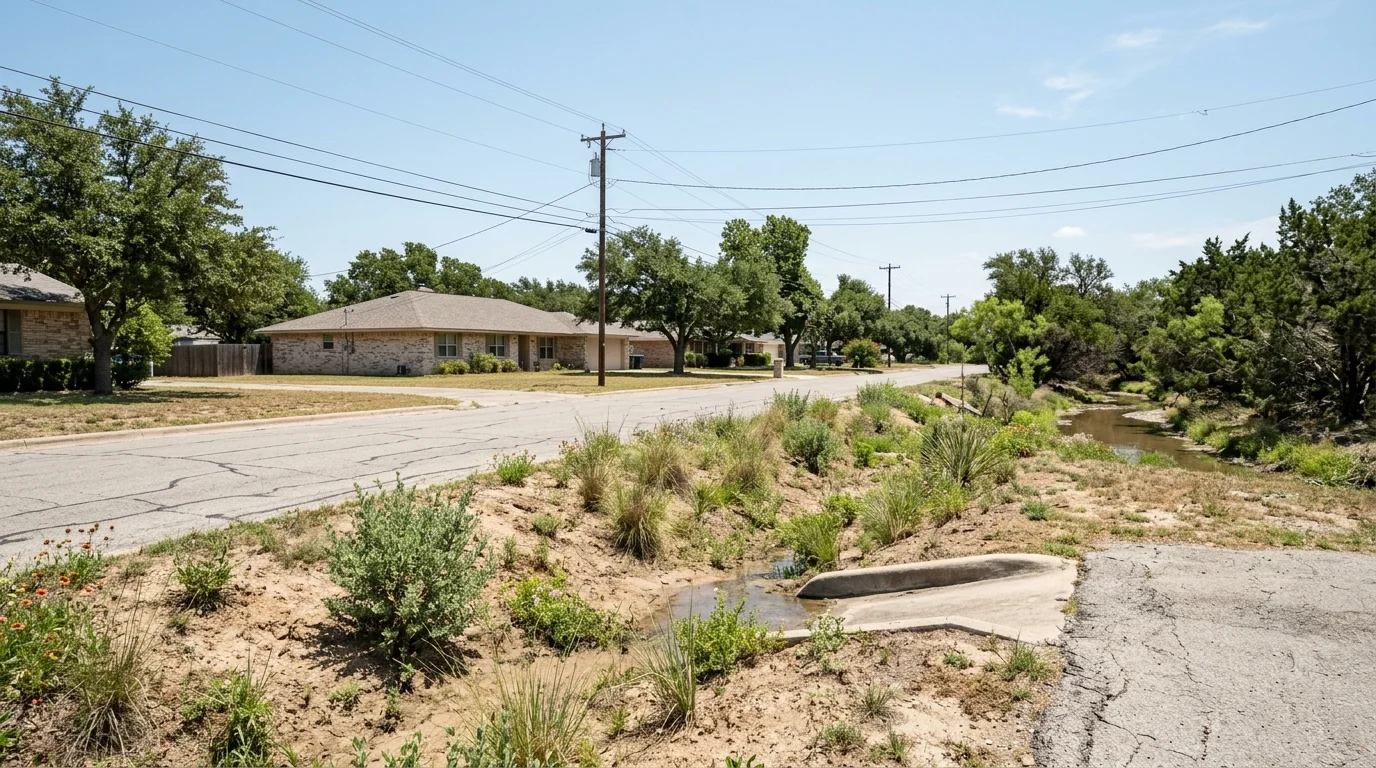
The work, known as vegetative fuels reduction, involves physically removing the dead wood, dense undergrowth, and overgrown brush that allows wildfires to spread rapidly through communities. Crews use chainsaws, chippers, and heavy mechanical equipment to thin forests and grasslands before fires ignite. The specific location, acreage, and contract value are not listed in the publicly available posting, and the issuing agency was not identified in the record. The full details are available in the solicitation on the Rocky Mountain E-Purchasing System.
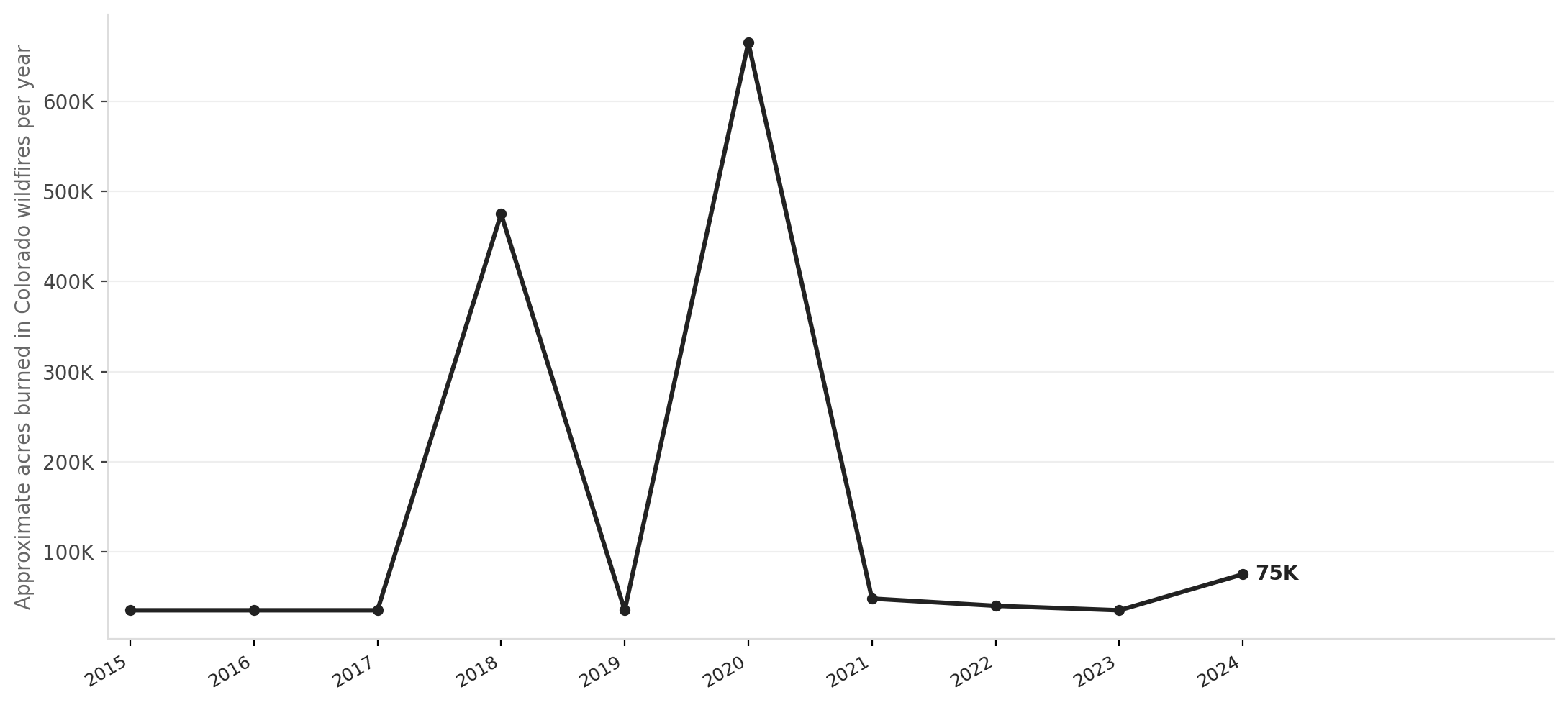
The urgency behind efforts like this one is hard to overstate. Colorado recorded its three largest wildfires in history in a single year, 2020, and the Marshall Fire in December 2021 destroyed more than 1,000 homes in Boulder County in what became the most destructive fire in state history, despite burning through suburban grassland rather than dense forest. Today, roughly half of Colorado's population lives in the wildland-urban interface, the boundary zone where homes meet fire-prone land, one of the highest shares in the country.
Source: NationGraph.
Funding for this kind of work surged after 2020. The federal Bipartisan Infrastructure Law and Inflation Reduction Act together directed roughly $10 billion toward wildfire risk reduction and forest management nationwide. The U.S. Forest Service launched a 10-Year Wildfire Crisis Strategy in 2022 with Colorado's Front Range identified as a priority area. The state responded by expanding the Colorado State Forest Service's budget and creating the Wildfire Resiliency Code Board in 2023.
The bottleneck now is workforce capacity. Across the West, agencies have struggled to find enough qualified contractors with the equipment and crews to execute fuels treatments at the scale the plans require. Homeowners are feeling the pressure too: average wildfire insurance premiums in Colorado rose more than 50 percent between 2019 and 2024, and some major insurers have stopped renewing policies in high-risk areas entirely.
A century of aggressive fire suppression left Colorado's forests and grasslands carrying far more combustible material than they historically would have, a problem compounded by drought and rising temperatures that have extended fire seasons and dried out vegetation earlier each year.
Contractors interested in the work can review the full scope through the Rocky Mountain E-Purchasing System. The solicitation was posted July 2, 2026.