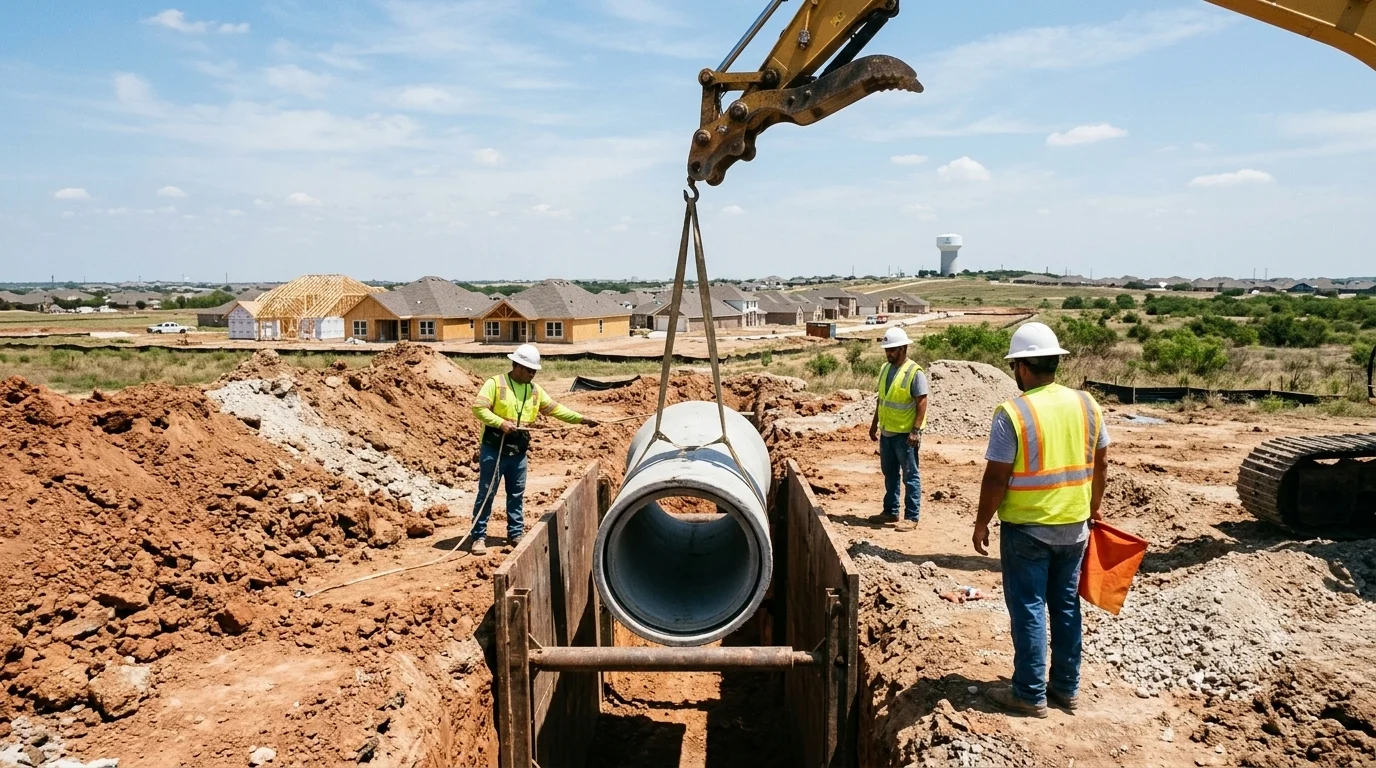
College Station, Texas has nearly doubled in population since 2000, and the underground pipes haven't always kept up. The city is now moving forward with the third phase of a major sewer trunk line expansion in its northeast sector, a project that will shape where development is physically allowed to happen next.
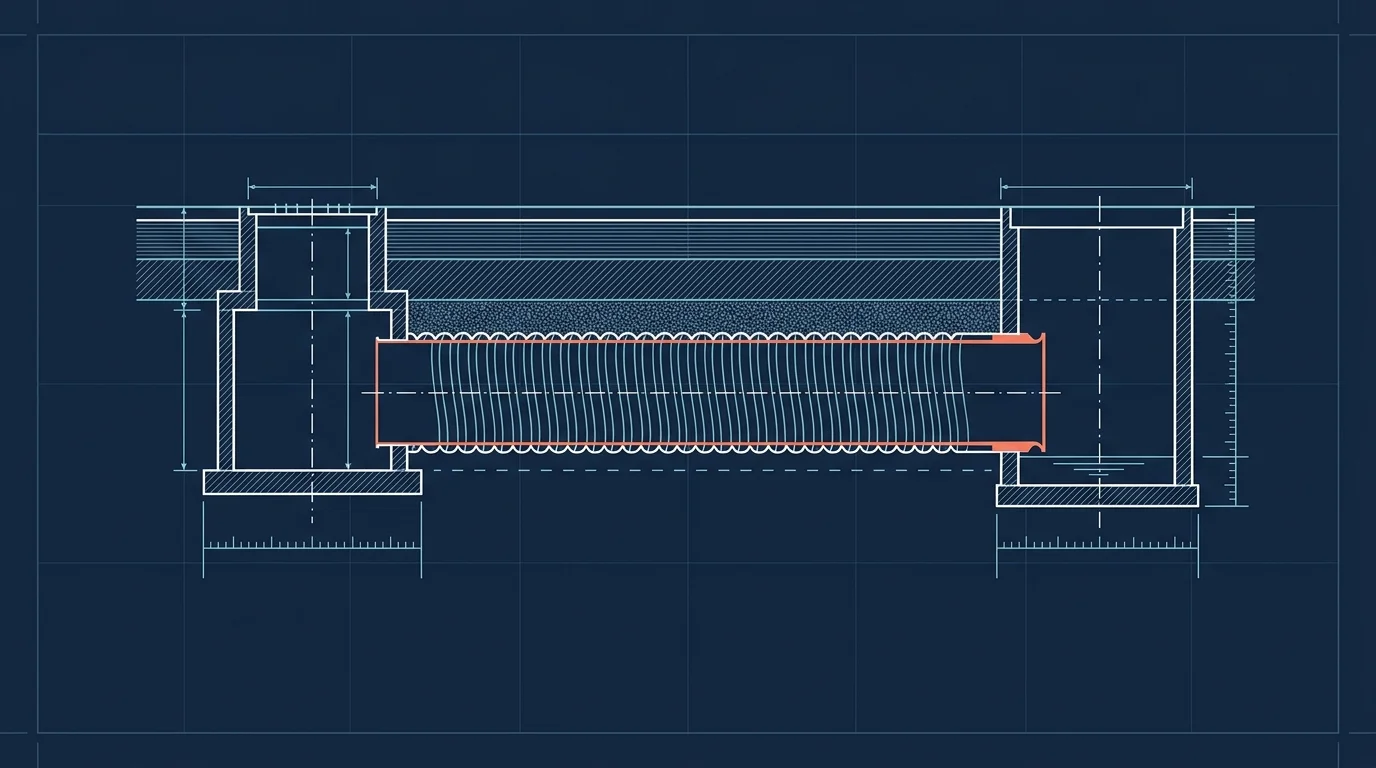
Trunk lines are the arterial backbone of a wastewater system, carrying sewage from neighborhood pipes to treatment plants. In fast-growing cities, they function as a hard ceiling on development: if the capacity isn't there, new subdivisions, apartments and commercial buildings can't connect. College Station's northeast corridor, bounded roughly by Highway 6 and the Bryan city limits, has seen some of the most intense residential subdivision pressure in the Brazos Valley, and prior phases of this project have been working to keep pace.
College Station has grown from about 68,000 residents in 2000 to more than 125,000 today, driven by Texas A&M University's enrollment of roughly 75,000 students and a wave of non-student residential growth amid buyers moving into the Brazos Valley from Austin and Houston. That growth has made sewer capacity a recurring tension point at city council, where infrastructure keeping pace with rooftops is a perennial topic.
The city has posted a solicitation for Phase 3 construction through BrazosBid, the regional procurement portal for Brazos County jurisdictions. The RFP was posted Aug. 12, 2026. The full project cost, pipe alignment and completion timeline were not detailed in the initial posting.
College Station ratepayers fund the utility system through monthly rates and impact fees charged to new development, meaning growth is largely expected to pay for the infrastructure it requires. The city will select a contractor before construction begins, with Phase 3 extending capacity that prior phases established.