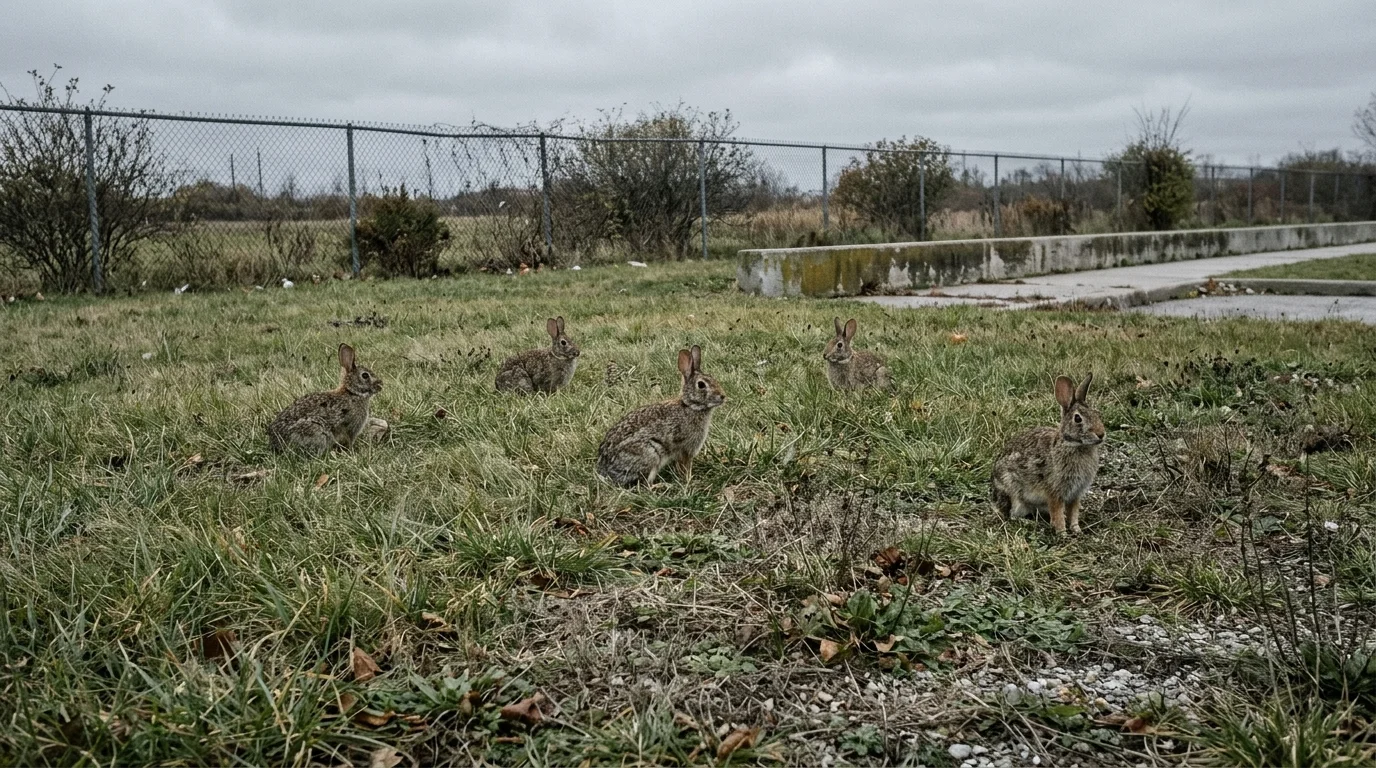
A Canadian municipality is moving to humanely capture and control its feral rabbit population, betting on live trapping and sterilization over the culls that have sparked protests and lawsuits in communities across the country.
The jurisdiction, which has not been publicly identified in procurement records, posted a pilot program solicitation on bidsandtenders.ca this week. The "pilot" framing is deliberate: rather than committing to a full ongoing program, officials appear to be testing whether humane methods can achieve meaningful population control before spending more.
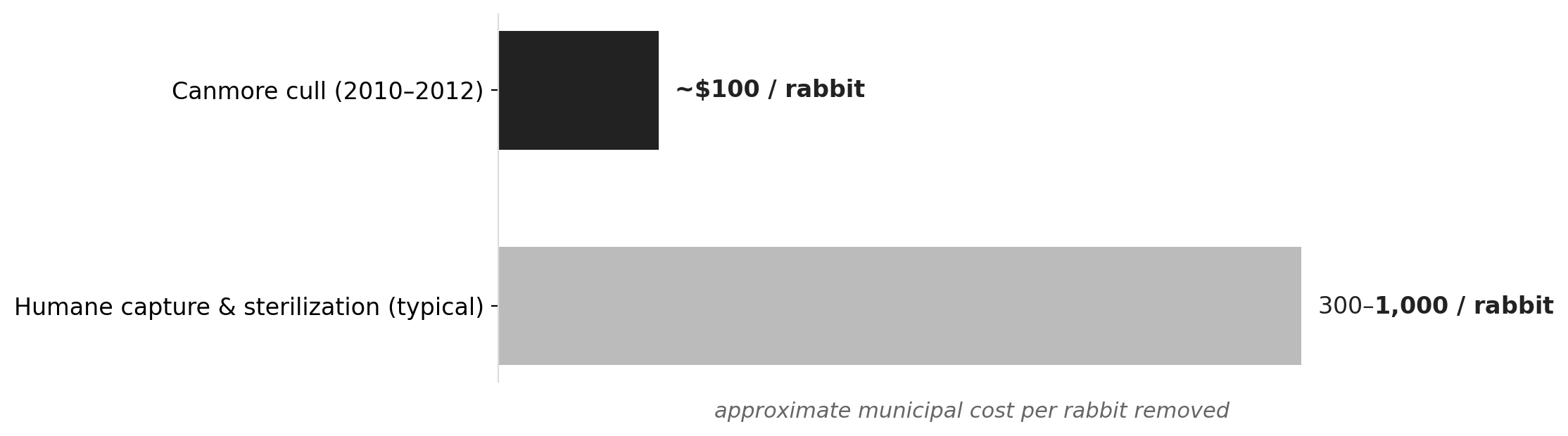
That question sits at the center of an unresolved debate in urban wildlife management. Feral rabbit colonies, almost always descended from abandoned pets rather than native cottontails, can grow explosively. European domestic rabbits breed year-round, and a single pair can theoretically produce more than 1,000 descendants in three years. Early municipal responses leaned heavily on culling: Canmore, Alberta, spent more than $50,000 shooting and euthanizing more than 500 rabbits between 2010 and 2012, while the University of Victoria removed more than 1,600 rabbits in 2010 and 2011. Both efforts drew fierce public opposition.
Source: NationGraph.
That backlash has gradually pushed Canadian municipalities toward humane alternatives: live trapping, sterilization and placement with rescue organizations like the BC-based Rabbitats Rescue Society, which was founded specifically in response to municipal culls. The shift mirrors the no-kill movement that transformed dog and cat sheltering a generation ago, now arriving for urban wildlife.
The stakes extend beyond optics. A 2020-2022 outbreak of Rabbit Hemorrhagic Disease Virus 2 swept across western North America, and feral colonies have been identified as potential reservoirs that can threaten both pet rabbits and native species.
The core challenge for humane programs is cost. Live trapping and sterilization typically run three to 10 times more per animal than lethal methods, and without sustained effort, colonies can rebound quickly. The pilot framing suggests local officials want evidence that the approach works before fully committing.
The specific jurisdiction and budget have not been disclosed in available records. Feral rabbit problems in Canada are concentrated in British Columbia's Lower Mainland and Vancouver Island, as well as Alberta foothill communities, and the bidsandtenders.ca platform is used predominantly by municipalities in those provinces and Ontario.