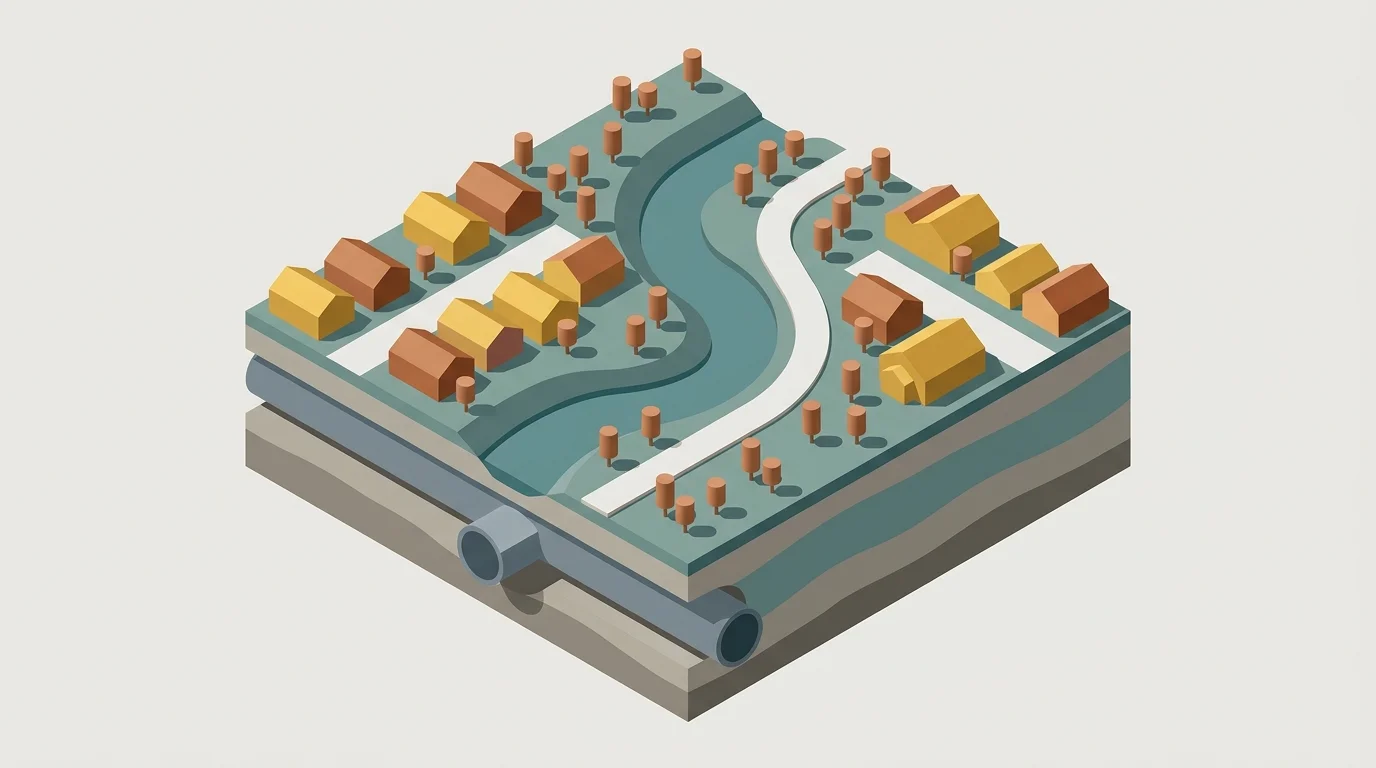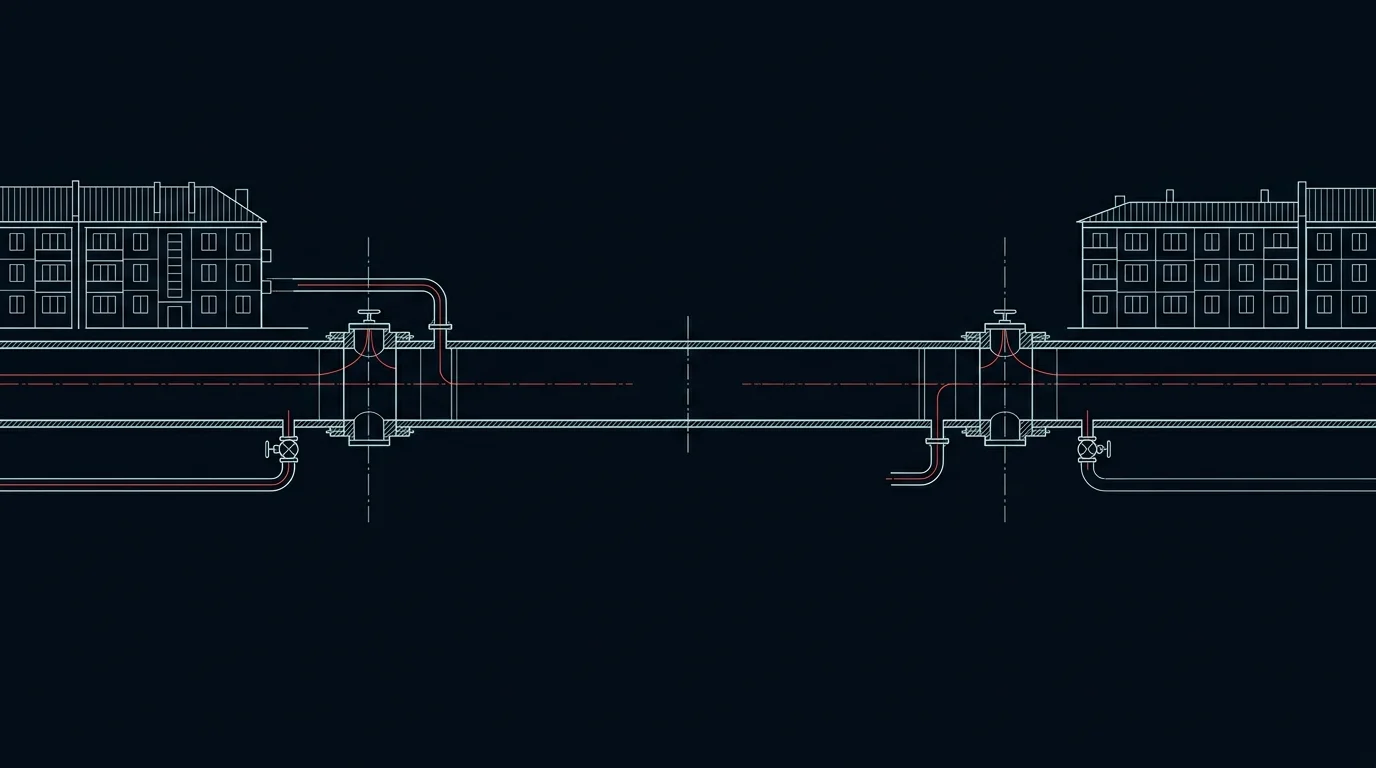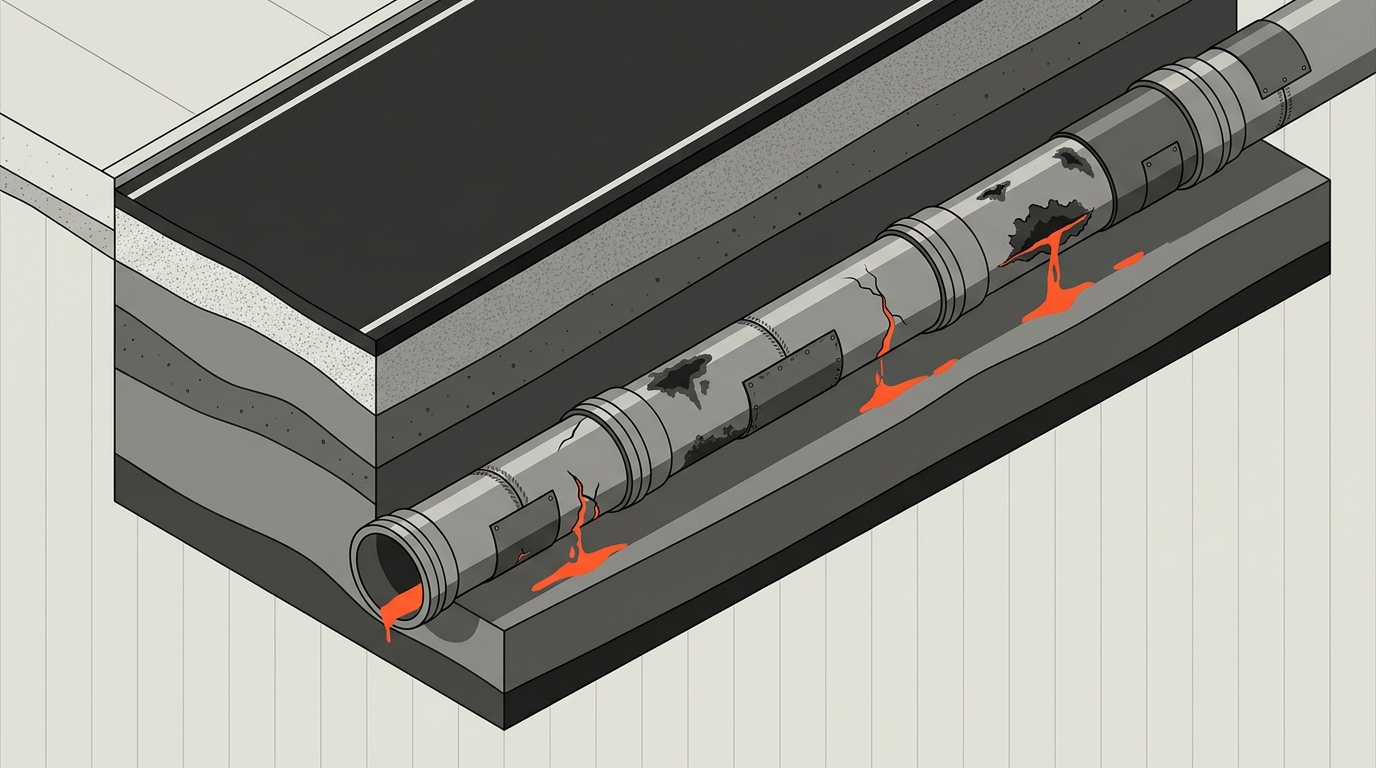
South Carolina is receiving $526,110 in federal disaster recovery funds to repair a water main damaged in a presidentially declared disaster, the latest in a long string of FEMA grants the state has relied on to keep aging underground infrastructure from failing.
The grant, tied to FEMA disaster declaration DR-4829, covers repairs to the Lee Circle water main somewhere in the state, though the specific municipality or water utility receiving the money is not identified in the public record. It flows through the SC Adjutant General's office, which oversees the state's Emergency Management Division and serves as the standard pass-through for FEMA disaster funds in South Carolina.
The repair is not a straight swap back to pre-storm condition. Under reforms enacted after Hurricane Katrina and expanded in 2018, FEMA can now fund hazard mitigation upgrades and code compliance improvements during disaster repairs, meaning the rebuilt water main should be better positioned to survive the next storm than the one it replaces.
That caveat matters in South Carolina, which has been hit by major flooding events with unusual regularity. Hurricane Joaquin-related flooding in 2015, Hurricane Matthew in 2016, Florence in 2018, and Dorian in 2019 have all produced presidentially declared disasters for the state, sending billions in cumulative FEMA public assistance funds through Columbia. South Carolina's low-lying coastal plain geography and its extensive network of rivers and floodplains leave communities persistently exposed. Similar federal aid has funded bridge repairs after Hurricane Helene and debris cleanup across the Upstate.
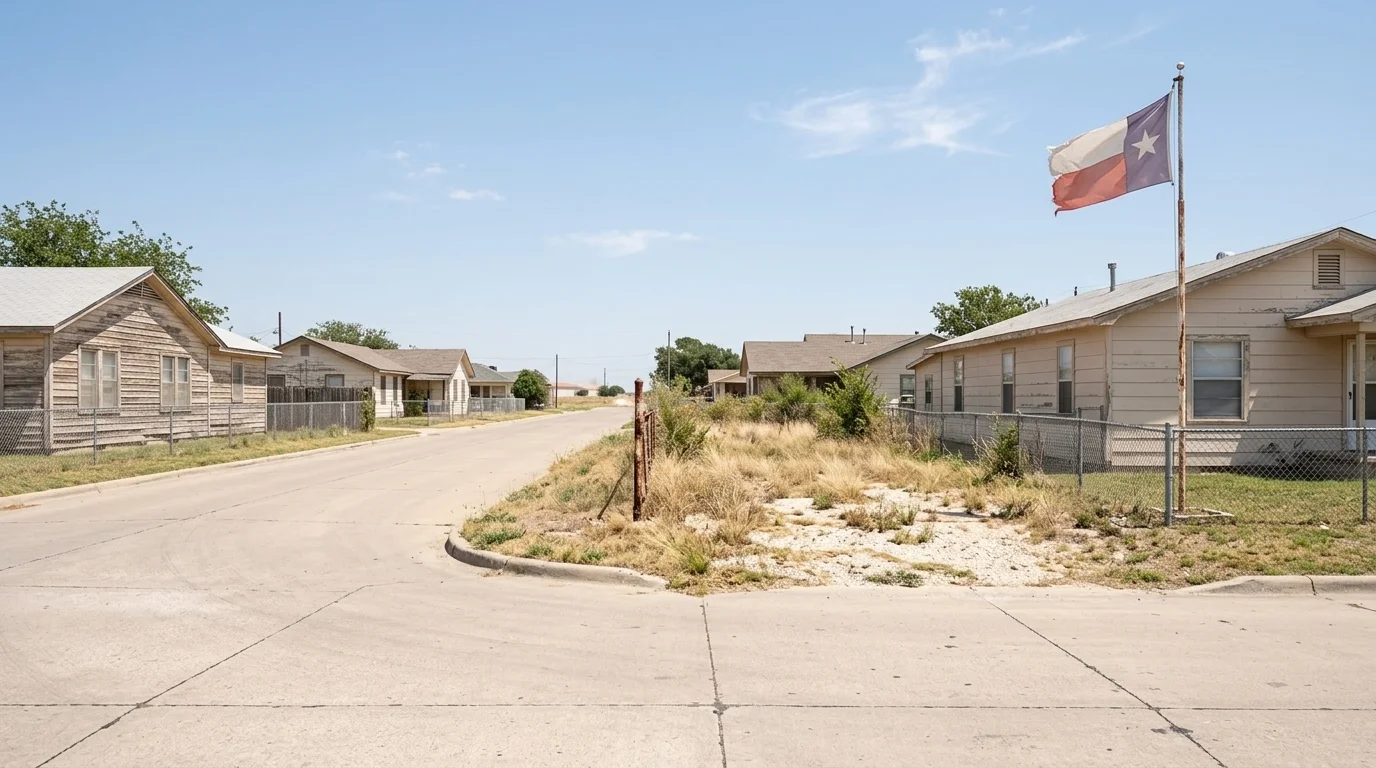
The underlying problem is that disasters don't break healthy infrastructure at random. Water mains dating to the mid-20th century are common across South Carolina's smaller and rural communities, many of which lack the tax base to fund proactive upgrades. When storms arrive, these systems fail first. FEMA then pays roughly 75 cents of every dollar to fix them, with the state and local government covering the rest. Critics of the current model argue it creates a cycle of deferred maintenance, disaster damage, and reactive repair rather than investment in systems built to last.
Whether this grant represents a genuine resilience upgrade or another patch on an aging system depends on details not yet public, including which community owns the Lee Circle water main and what condition it was in before the disaster struck.