One of Canada's rarest fish may be running out of time in the wild, and the federal government is now seeking an outside partner to keep the species alive in captivity while biologists figure out whether the last lake population can be saved.
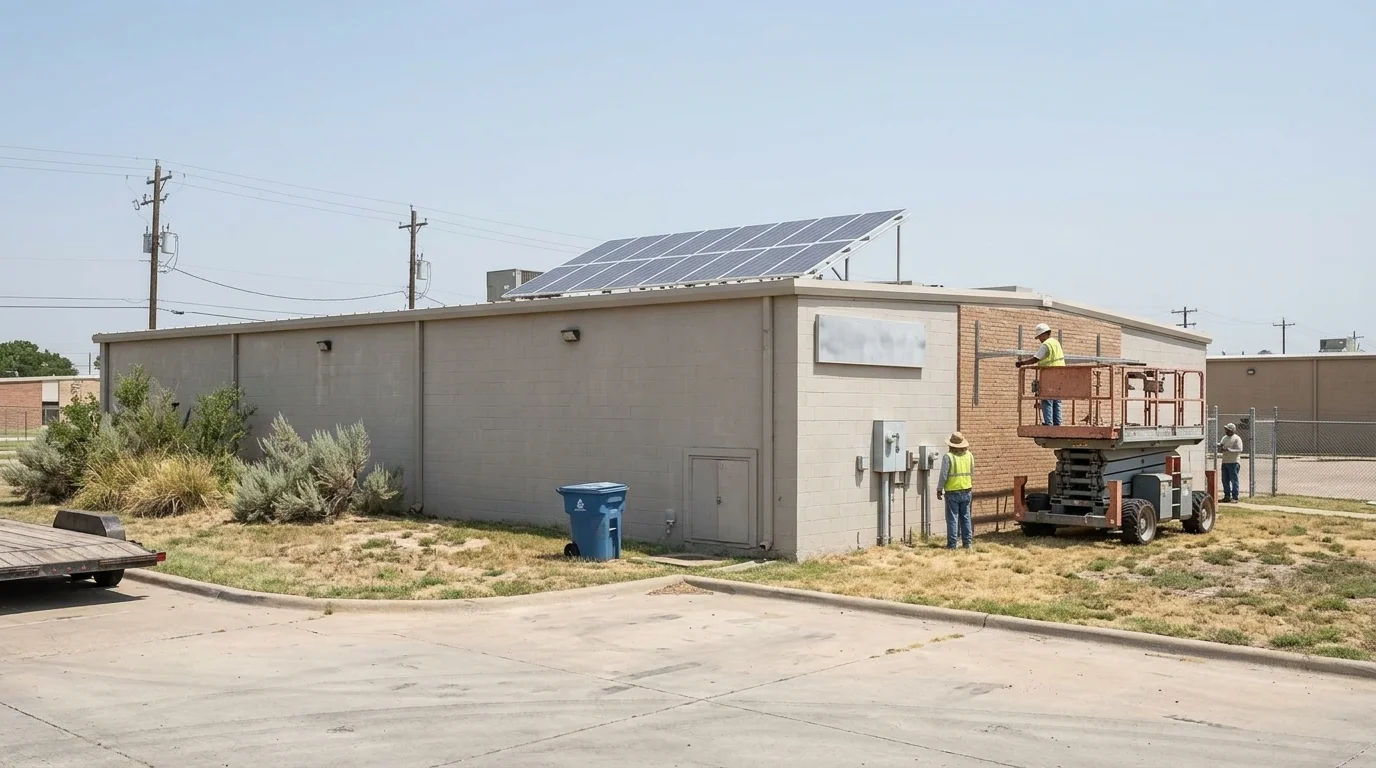
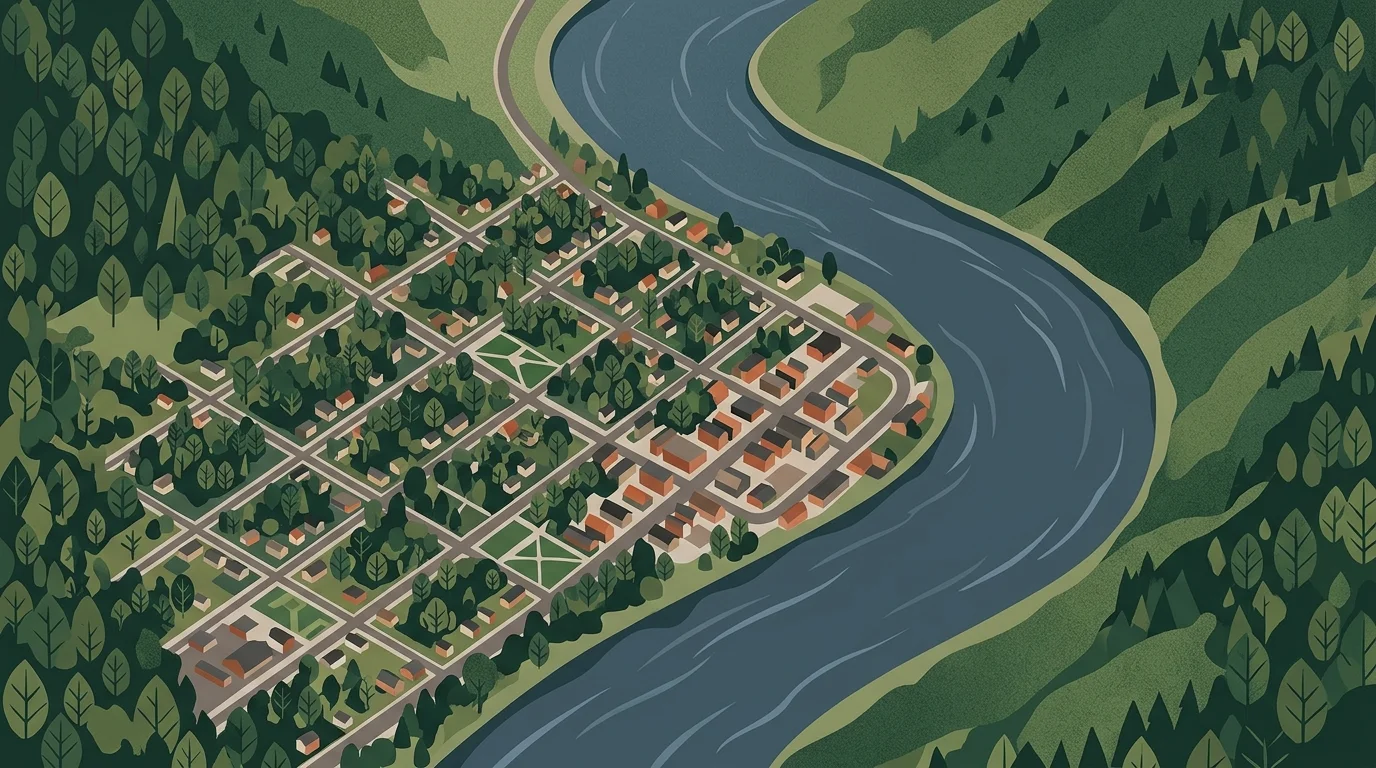
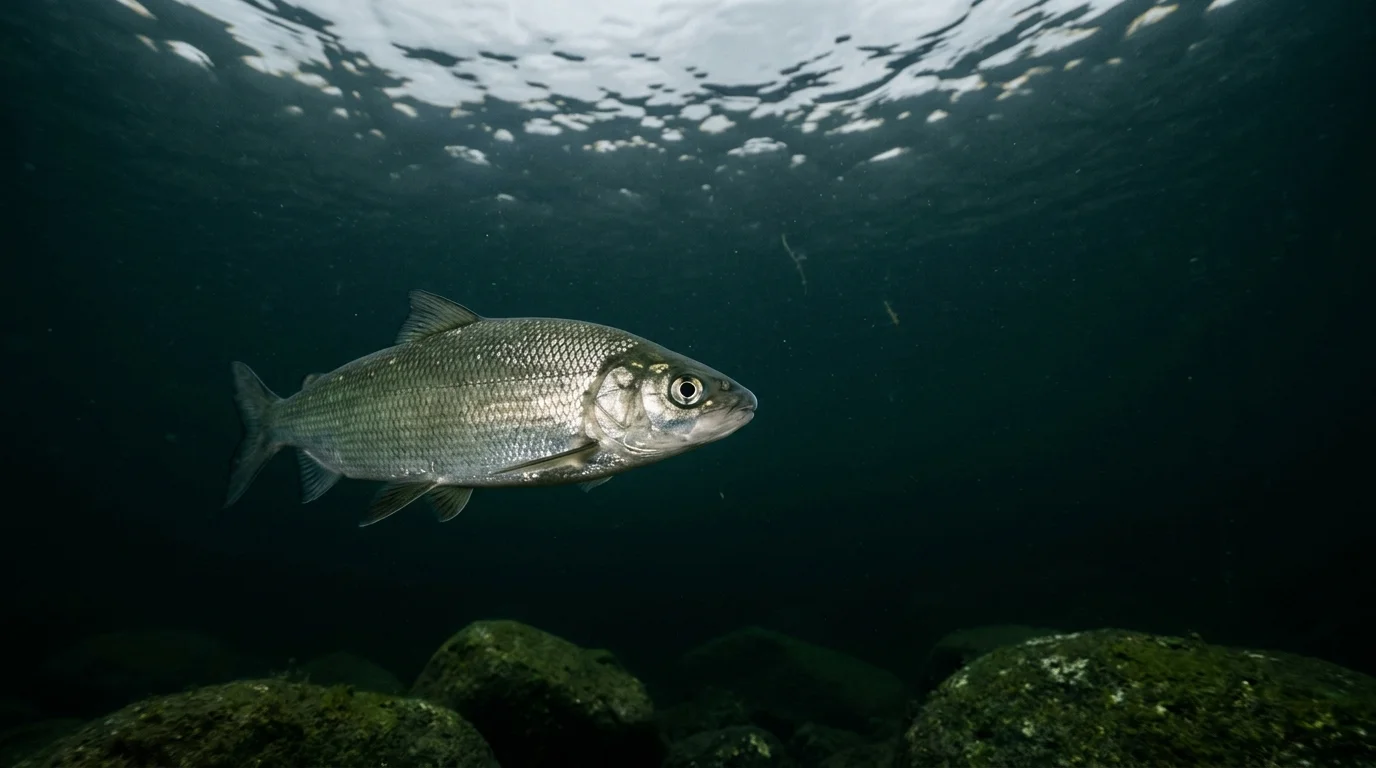
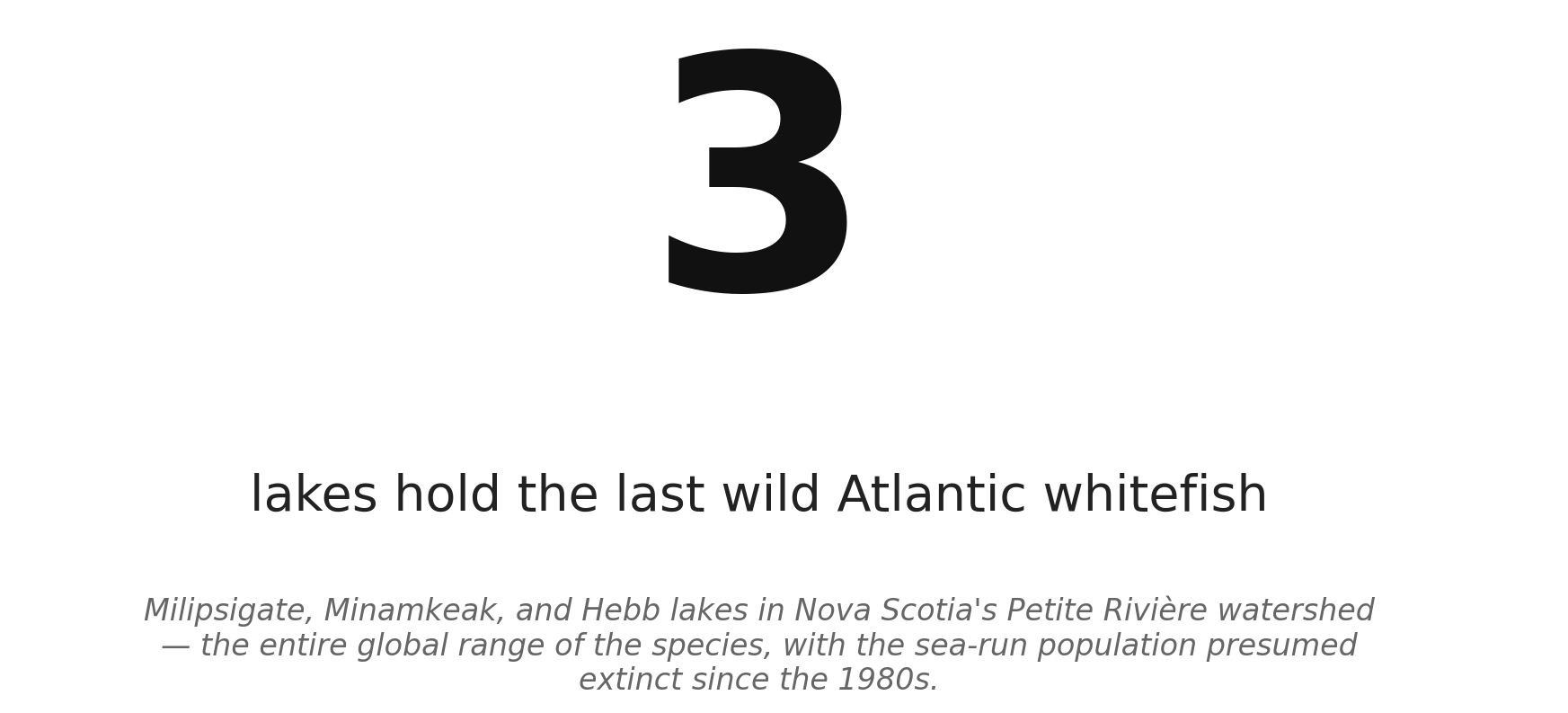
The Atlantic whitefish (Coregonus huntsmani) exists nowhere on Earth except three small, connected lakes in the Petite Rivière watershed of Lunenburg County, Nova Scotia, roughly 100 kilometres southwest of Halifax. Fisheries and Oceans Canada (DFO) has posted a tender on the federal procurement portal seeking a facility to hold, raise, and breed the fish in captivity, a strategy conservationists call an "ark" program and one that has historically been deployed only when wild recovery is no longer viable on its own.
The news reflects how dire the situation has become. The whitefish was listed as Endangered under Canada's Species at Risk Act in 2003, but its slide toward extinction has accelerated sharply in the years since. Chain pickerel, an aggressive predatory fish illegally introduced by sport anglers, were confirmed in Hebb Lake around 2013 and have been spreading through the watershed ever since, eating juvenile whitefish before they can reach adulthood. Smallmouth bass, similarly introduced without authorization, compound the threat. DFO monitoring in recent years has turned up vanishingly few adult fish, and some biologists believe the wild population may already be functionally extinct or reduced to double digits.
Source: NationGraph.
The species has a bleak recent history even beyond the invasive fish problem. It was once anadromous, running to the sea like salmon, until a dam built in the early 20th century cut off ocean access. The sea-run population has been considered extinct since the 1980s. What remains in Milipsigate, Minamkeak, and Hebb lakes is the last of the last.
DFO's Mersey Biodiversity Facility in Nova Scotia and Dalhousie University's Aquatron lab in Halifax have both held small numbers of Atlantic whitefish for research purposes over the years, but a permanent, scaled-up captive breeding program has never been established, and past holdings have suffered mortality events. Conservation groups including the Coastal Action Foundation in Lunenburg County and Dalhousie researchers have publicly pressed Ottawa for exactly this kind of program for years.
The political backdrop adds urgency. Canada made sweeping biodiversity pledges at the COP15 summit in Montreal in late 2022, including a commitment to protect 30% of its land and waters by 2030. A 2022 Auditor General report found the federal government had repeatedly fallen short on implementing recovery actions for species listed under SARA, and environmental groups have launched multiple lawsuits over the delays.
The arrangement, if DFO finds a suitable partner, would mark a significant shift from research-scale custodianship to a genuine long-term conservation program. Whether the wild population can recover alongside a captive breeding effort depends heavily on controlling the invasive fish still spreading through the Petite Rivière system, an enforcement challenge that has long fallen through the gap between federal and provincial jurisdiction.