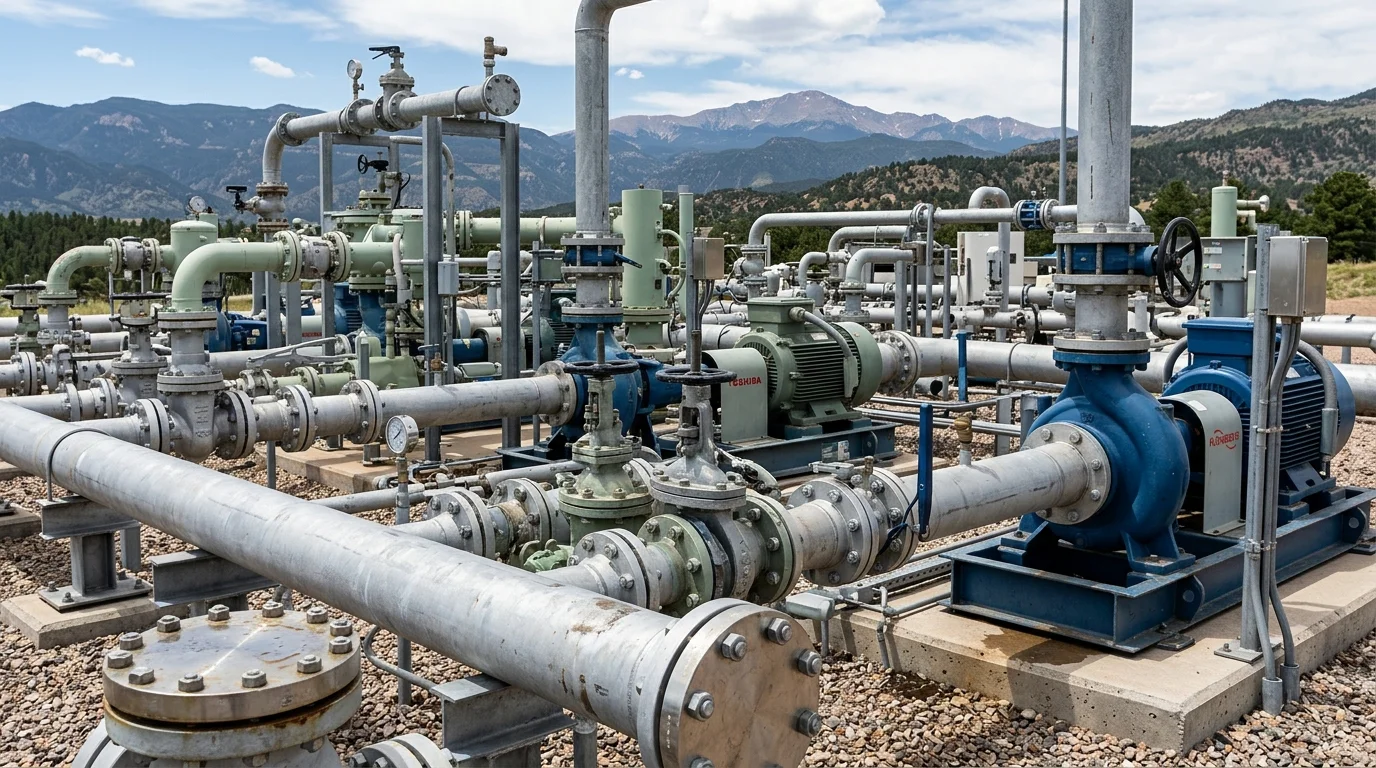
Aurora, Colorado is moving to build a dedicated treatment facility to remove toxic PFAS chemicals from one of its key groundwater supplies, a project that reflects both a federal mandate and a stark local reality: the city is growing too fast to leave any water source on the table.
Aurora Water is screening contractors for the project at Cherry Creek Wellfield, a significant groundwater source for the city's roughly 400,000 residents. The prequalification step, which vets a builder's finances, bonding capacity, and experience with PFAS-specific systems, is typically reserved for large, complex capital projects and suggests a price tag likely in the tens to hundreds of millions of dollars.
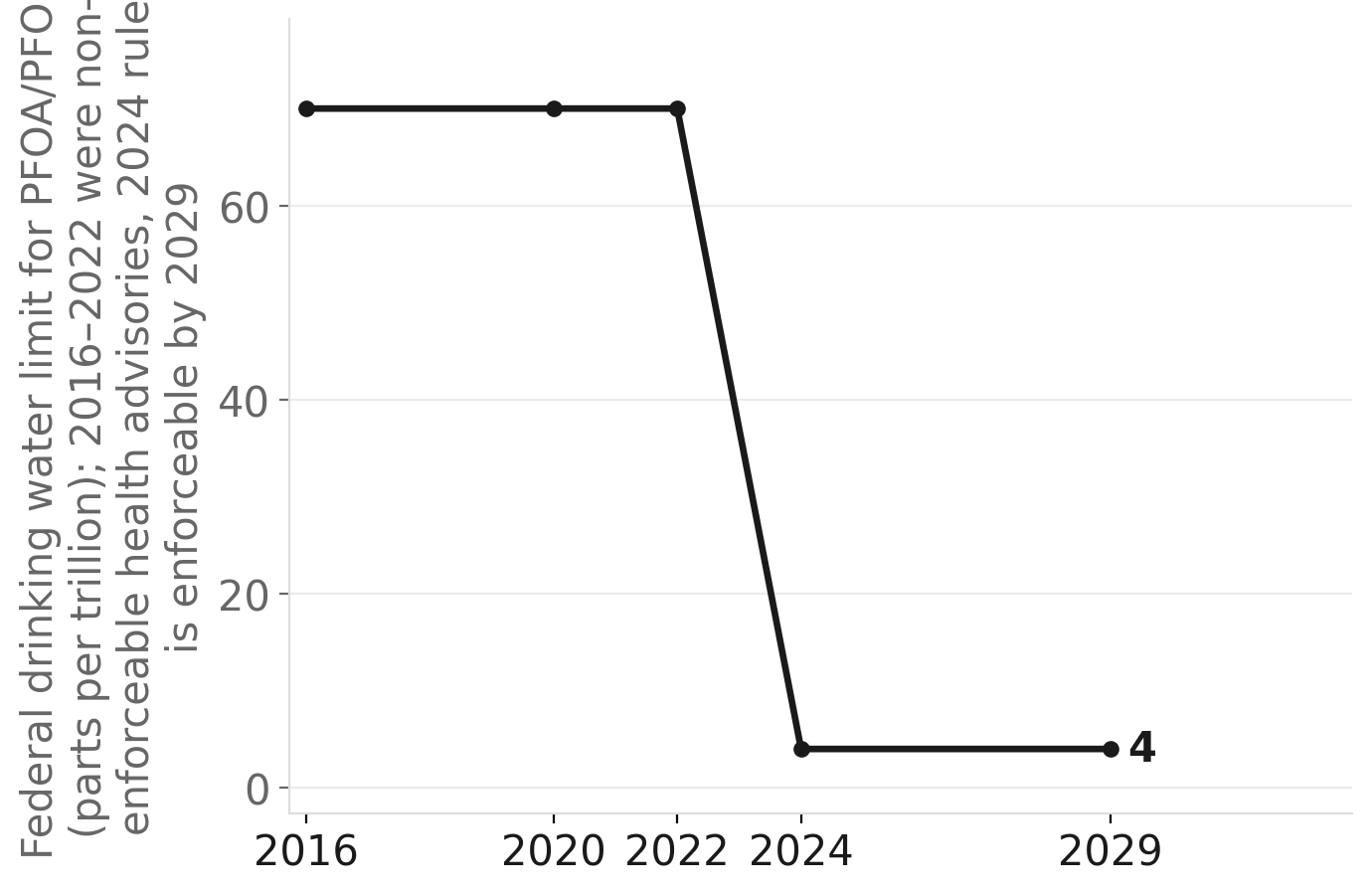
PFAS, short for per- and polyfluoroalkyl substances, are a family of synthetic chemicals used for decades in products ranging from non-stick cookware to firefighting foam. They don't break down in soil or water and accumulate in the human body, where they've been linked to cancer, thyroid disease, immune suppression, and developmental harm. In April 2024, the EPA finalized the first national drinking water limits for six PFAS compounds, giving utilities until 2029 to comply and triggering a construction wave at water systems across the country.
Source: NationGraph.
Aurora sits squarely in the path of the problem. Buckley Space Force Base, the former Lowry Air Force Base and Denver International Airport all operated near the city and used aqueous film-forming foam, or AFFF, for decades. That foam is a primary source of PFAS contamination in Front Range groundwater. Colorado was among the first states to ban most AFFF uses, in 2020, but the chemicals already in the ground aren't going anywhere.
For most utilities, PFAS contamination is a serious problem. For Aurora, it's an acute one. The city draws water from a complex mix of sources, including the South Platte River, transbasin diversions from the Colorado River, and local groundwater. With the Colorado River system under increasing pressure from drought and overallocation, Aurora cannot afford to take Cherry Creek Wellfield offline. The water has to be treated.
Aurora Water has been monitoring PFAS at the wellfield since at least 2020 and has disclosed detections in annual consumer confidence reports. Building a treatment plant is the capital-intensive conclusion to years of sampling and study.
The size and delivery method of the project will become clearer once the prequalification process concludes and formal bidding opens. Construction timelines have not been publicly announced, but utilities nationwide are racing to meet the EPA's 2029 compliance deadline.