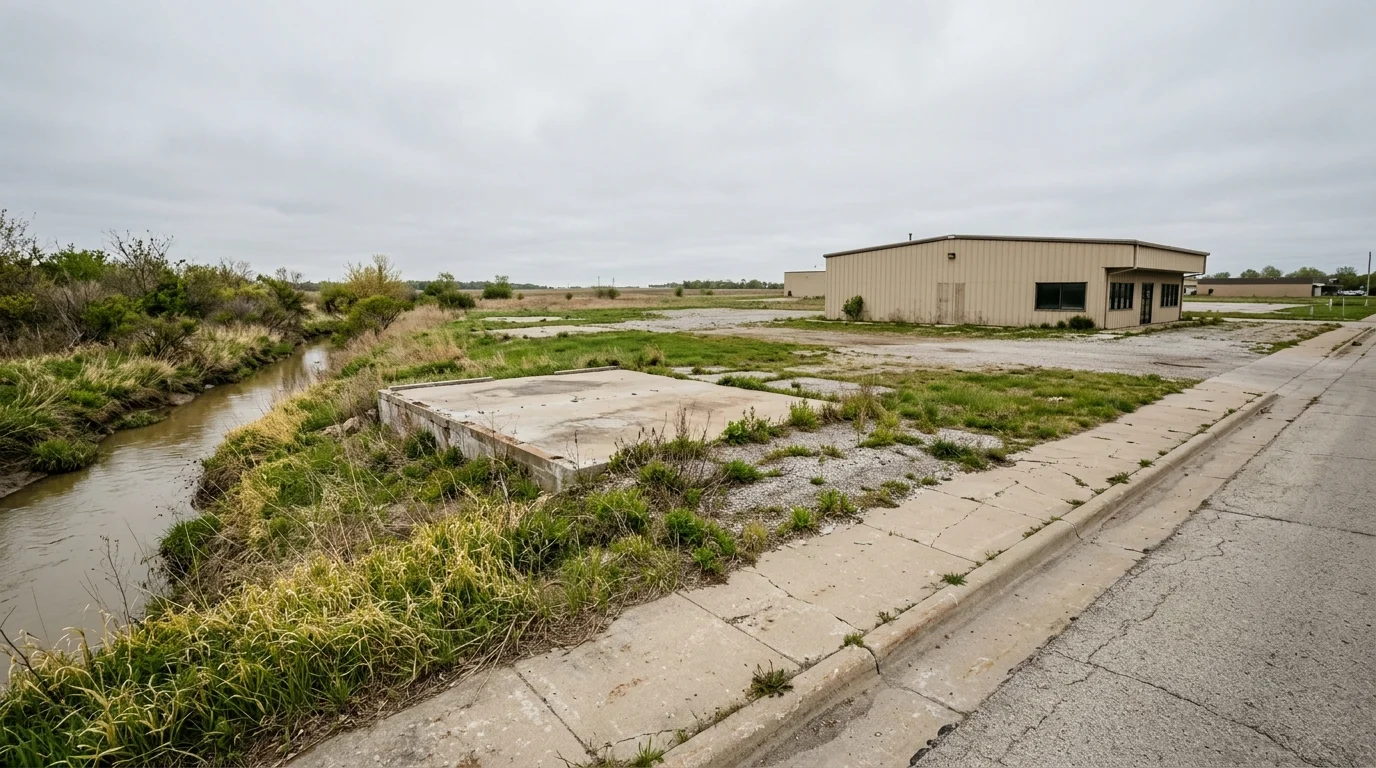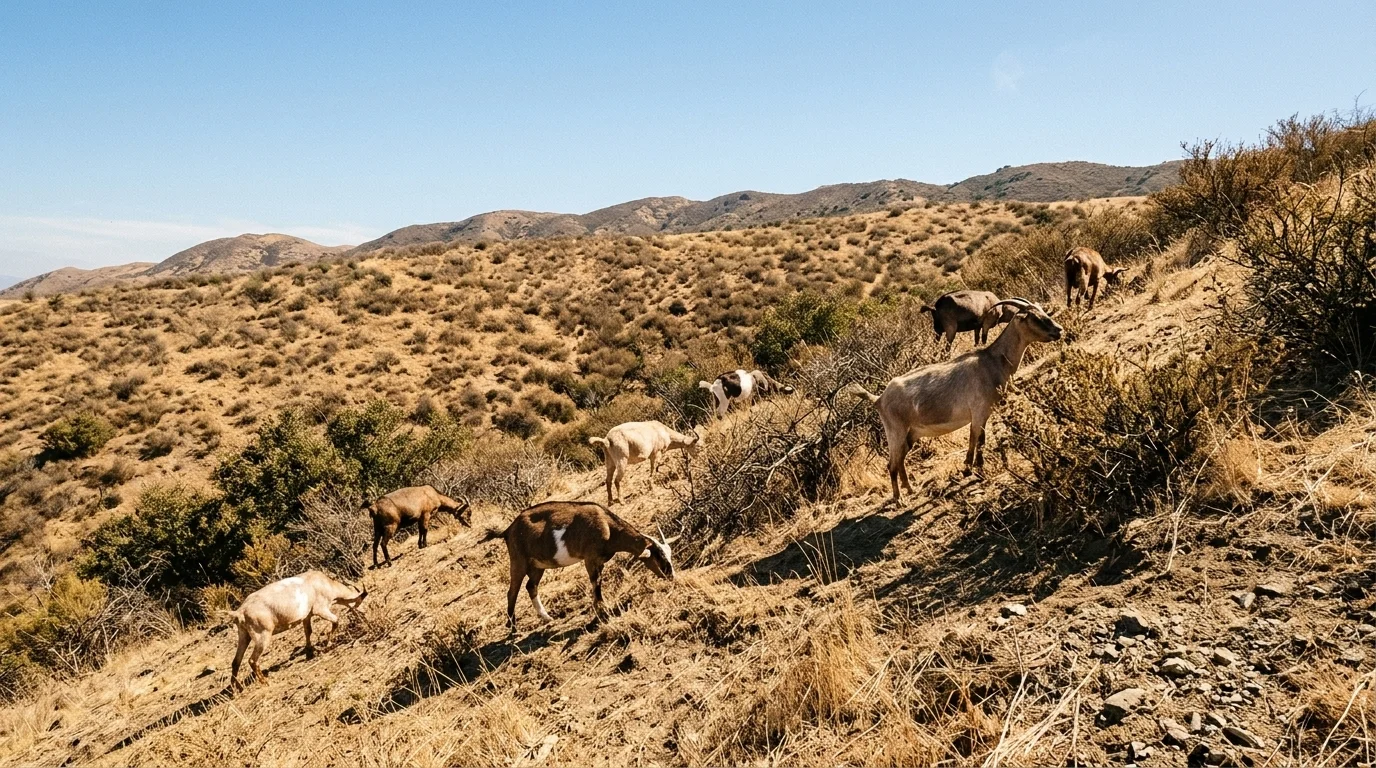
A parks agency is looking to put livestock to work managing vegetation across multiple park locations, joining a growing number of Western governments that have turned to goats, sheep and cattle as a frontline tool against wildfires.
The agency posted a solicitation seeking contractors to graze livestock at various park locations, though the record does not name the agency or jurisdiction, and the specific parks, acreage and animal species involved were not disclosed. Those details are significant gaps that residents near affected parks would reasonably want answered.
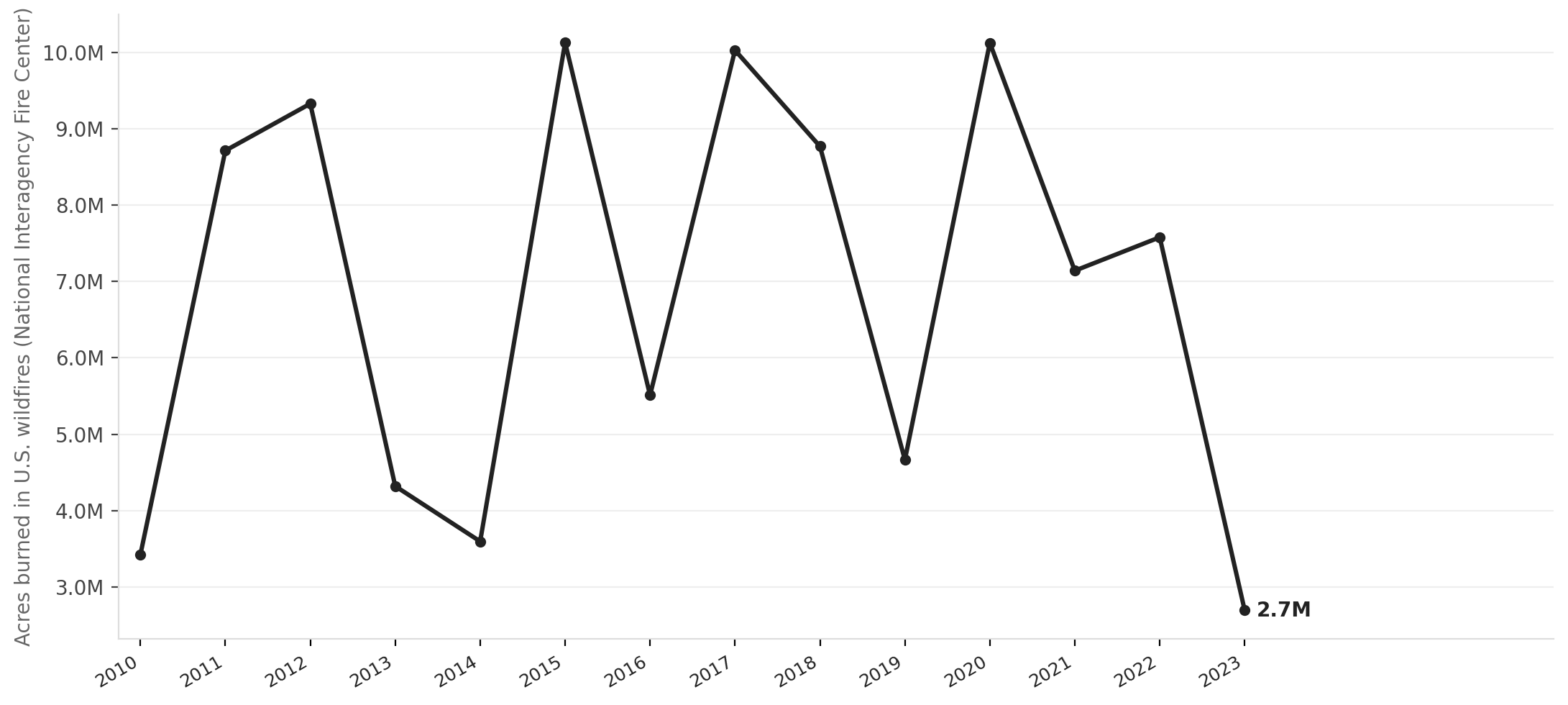
The broader practice, sometimes called targeted or conservation grazing, has become a mainstream wildfire mitigation strategy across the West over the past decade. Goats and sheep can navigate steep terrain that mowers cannot reach, and they readily consume invasive grasses like yellow star thistle that dry into fast-burning fine fuels each summer. Several catastrophic fire seasons, including California's 2018 Camp Fire that killed 85 people and a record-breaking 2020 season that burned more than 10 million acres nationally, accelerated the shift toward grazing as communities searched for alternatives to mechanical clearing and herbicides. Cities including Oakland, Reno, Boise and Glendale have all run similar programs, and the approach has spread to park systems in Nevada, Utah, Colorado and Arizona, as covered in related reporting on parks departments hiring goats to replace mowers and herbicides.
Source: NationGraph.
Federal funding has helped push the trend. The 2021 Bipartisan Infrastructure Law included roughly $3.4 billion for wildfire risk reduction, and the 2022 Inflation Reduction Act added another $1.8 billion for hazardous fuels work through the U.S. Forest Service. Much of that money has flowed to state and local agencies, many of which are now under pressure to manage fire risk alongside their traditional recreation and habitat missions.
Insurance markets have added urgency. Major carriers have pulled back from high-risk zones in California, Oregon, Colorado and elsewhere, and municipalities have faced pressure to show active fuel reduction to maintain coverage and protect neighboring property values.
Grazing programs are not without controversy. Concerns have arisen in other jurisdictions about herding dogs near park visitors, potential impacts on native plants and ground-nesting birds, and questions about cost-effectiveness compared to mechanical clearing.
The agency and jurisdiction behind this solicitation need to be confirmed before residents can assess which parks are affected and what the program will cost.