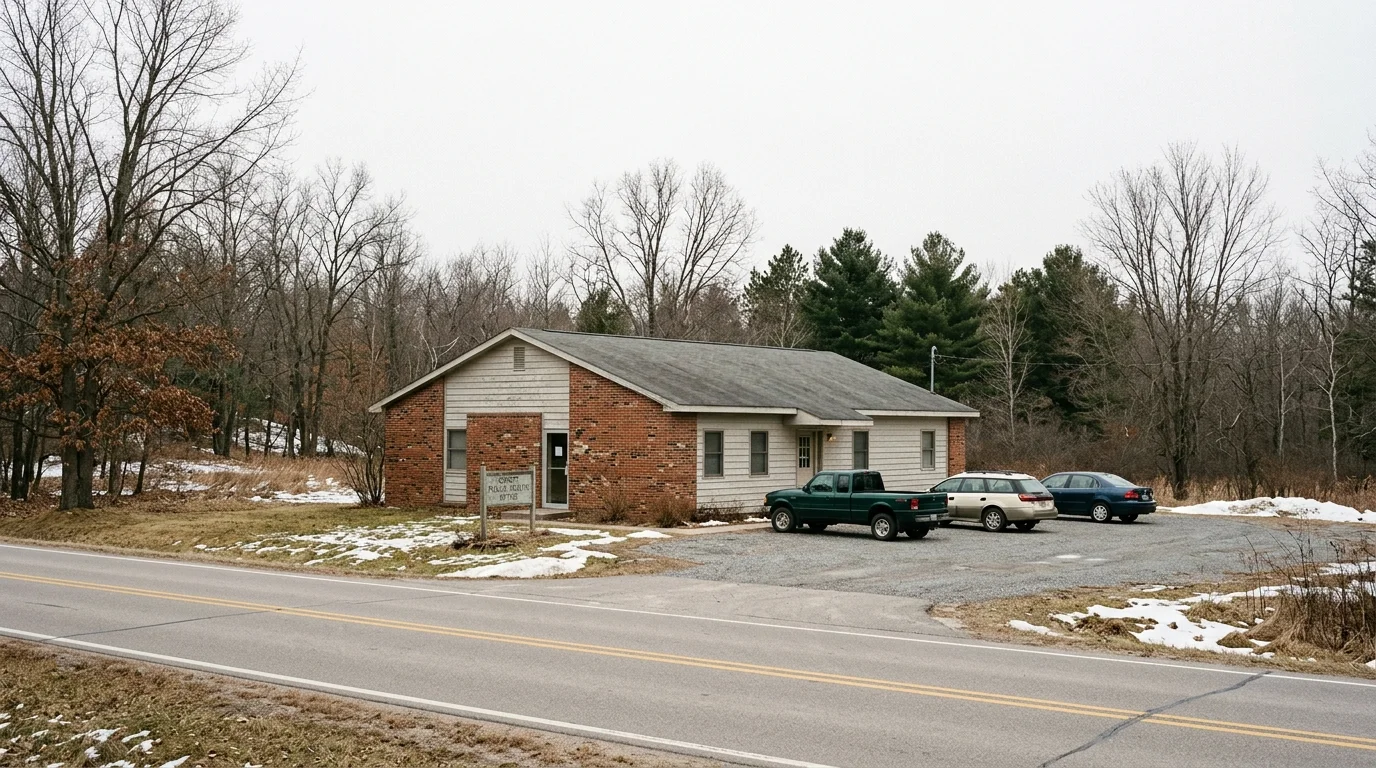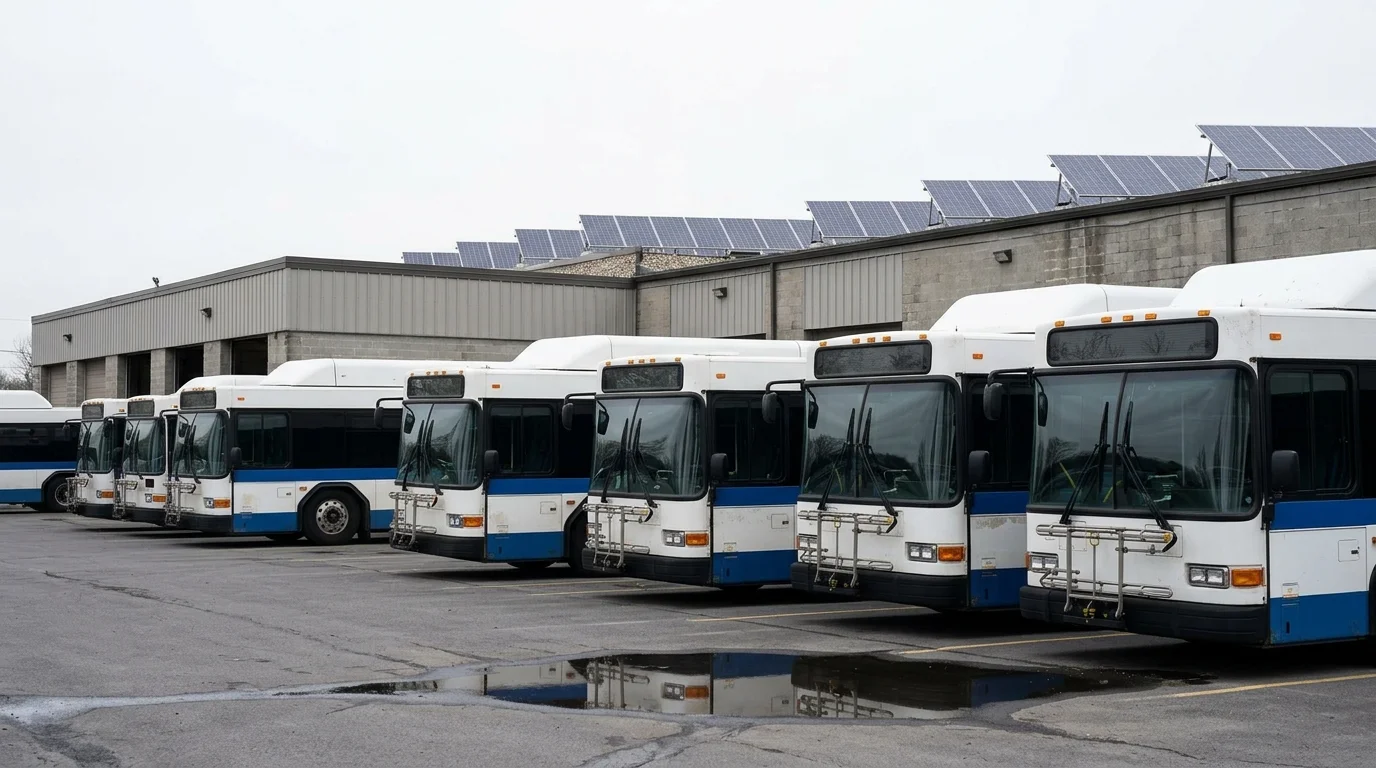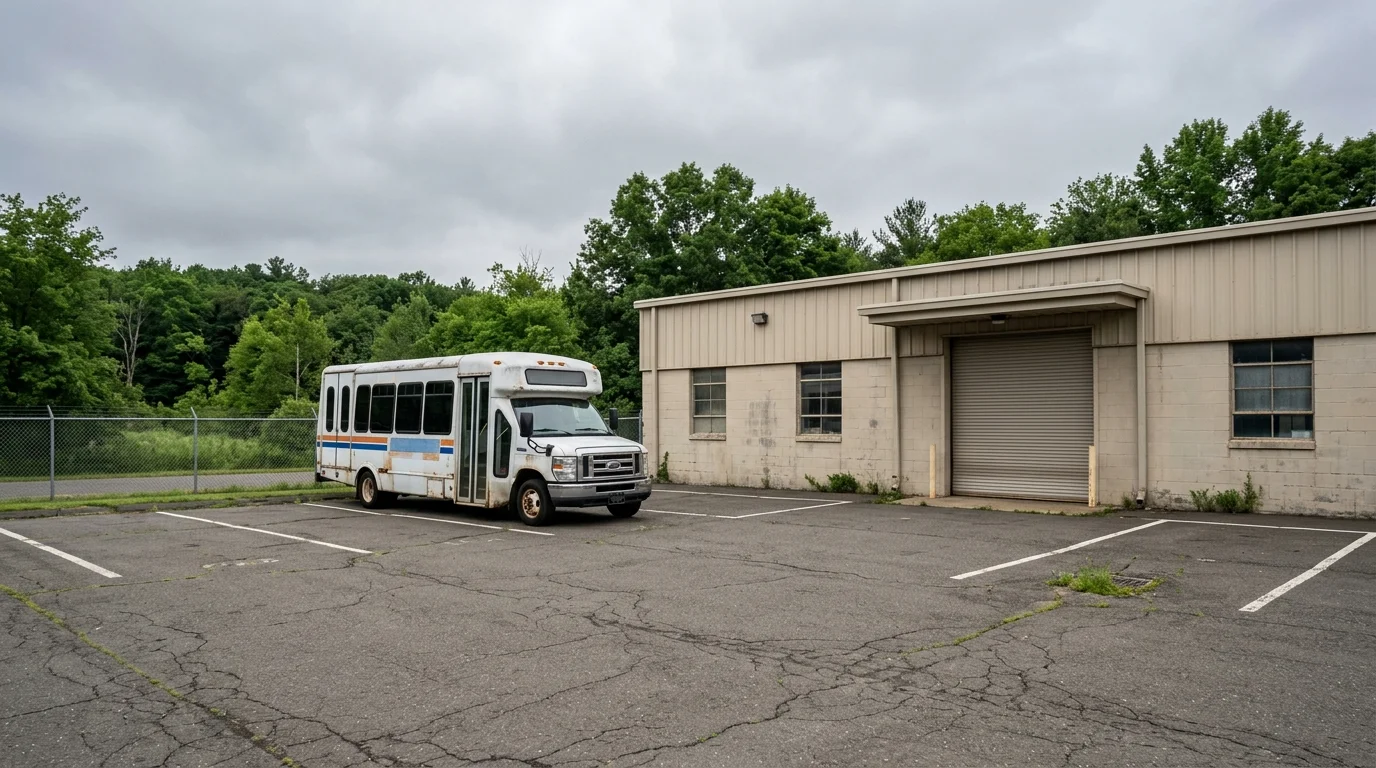
Connecticut's transit procurement volume has jumped to 55 RFPs in the last 30 days, 4.4 times the monthly average of roughly 12.6, and nearly every one of them originates from a single address: 28 South Frontage Road, Mansfield Center, home of the Windham Region Transit District.
WRTD is not a large agency. It runs nine fixed routes, serves 23 municipalities in eastern Connecticut including the UConn Storrs campus, and logged about 1.1 million passenger trips in FY2024. For most of its existence it has operated a modest fleet out of a joint facility with UConn. Then, in November 2025, the Federal Transit Administration awarded CTDOT a $35.7 million Bus Low or No-Emission grant, matched by $13.3 million in state funds, to more than double that facility and equip it for a fleet of up to 50 zero-emission electric buses. The CTDOT press release described it as one of the largest transit capital investments in the region's history. The total project cost sits at approximately $49 million.
For an agency that previously managed incremental fleet purchases and routine maintenance contracts, $49 million is a different category of obligation entirely. The grant requires WRTD to procure architectural and engineering services, manage a major construction contract, source EV charging infrastructure for 25 new chargers, and coordinate equipment delivery for buses it has not yet ordered, all under federal procurement rules that carry their own compliance overhead. The result is the RFP wave visible in the data: monthly volume at WRTD peaked at 63 in June 2026, with elevated levels running continuously since February, consistent with a post-award procurement cycle rather than any statewide transit boom.
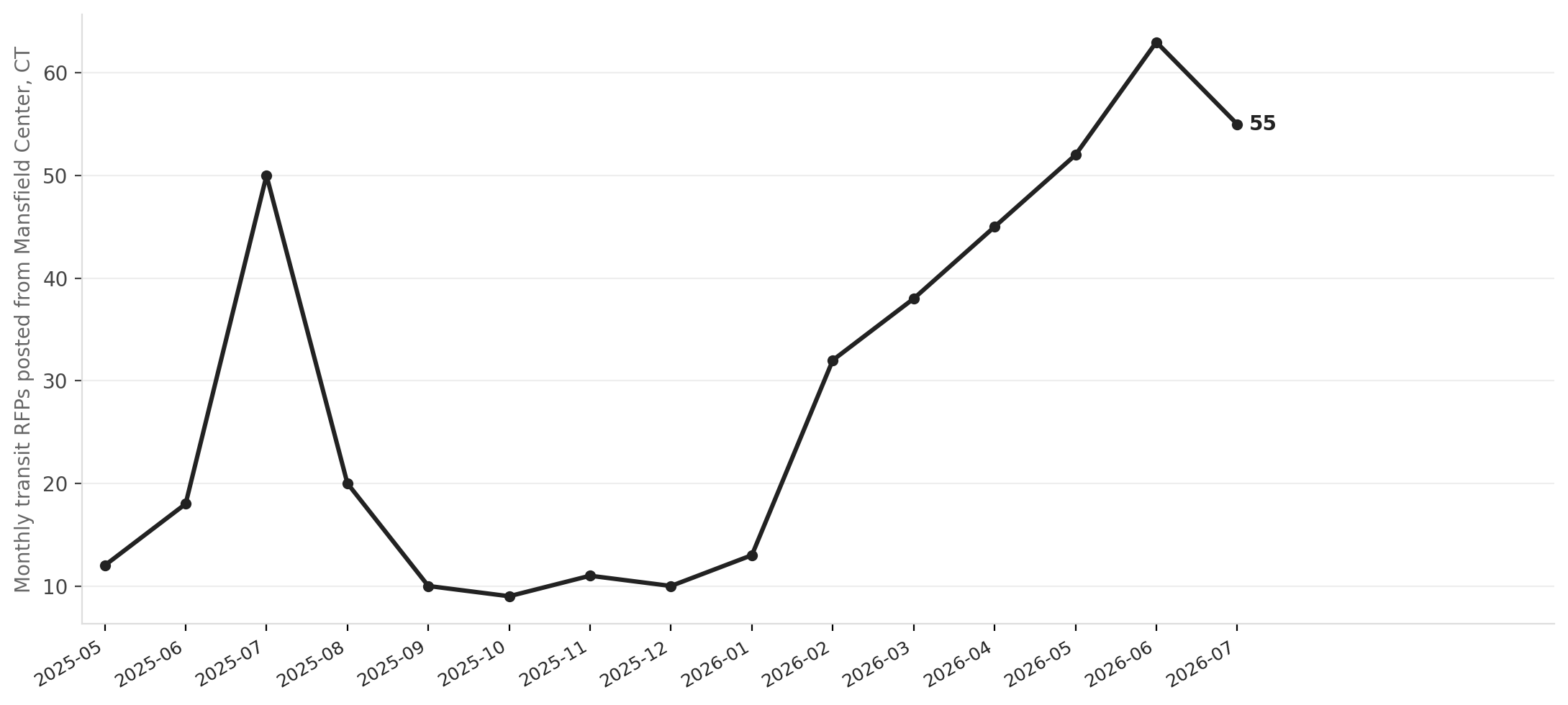
Source: NationGraph.
As NationGraph reported when the grant was announced, the headline number drew attention. The execution story is less visible but harder to manage. Federal transit grants of this size require the receiving agency to function, for the duration of the project, more like a mid-size capital program office than a small regional bus operator. That means hiring or contracting for project management capacity, issuing solicitations it has no template for, and meeting FTA reporting and compliance timelines in parallel with running daily service.
The policy engine behind the grant is Governor Lamont's Executive Order 21-3, which directs CTDOT to convert Connecticut's entire public bus fleet to zero-emission vehicles by 2035. That mandate flows federal zero-emission dollars toward districts like WRTD that might not otherwise compete for them, but it also means the procurement and construction burden lands on agencies at every scale, not just the large operators in Bridgeport or Hartford that have dedicated capital teams. CTDOT's February 2026 five-year Capital Plan programs $15.7 billion in transportation projects through FFY2030, with annual FTA formula funding now exceeding $250 million per year. That is a significant increase from the $983 million three-year advertised project average CTDOT reported for 2020 through 2022.
Connecticut's broader federal transit portfolio reinforces the scale of the moment. A new $283.4 million FTA Formula Grant started in March 2026 with a run through 2031. A separate $215.9 million State of Good Repair grant is also active. Total active federal DOT transit commitments in the state now exceed $860 million running through 2029 to 2031. Congressman Joe Courtney, whose district includes Mansfield, has credited the 2021 Bipartisan Infrastructure Law as the direct source of the WRTD award.
For the roughly 23 municipalities WRTD serves, a corridor where more than half of residents report having one vehicle or no vehicle access, the facility expansion matters in practical terms. Larger indoor bus storage means more reliable winter service. EV charging infrastructure means lower fuel and maintenance costs that can, over time, translate into more frequent routes or extended hours. But those outcomes depend on WRTD successfully executing a procurement and construction process that is genuinely new for an agency its size.
The next signal to watch is whether WRTD's RFP volume stays elevated through the fall as construction contracts move toward award, or begins to taper as major procurements close. The facility project has no single published completion deadline in the public record, but the EO 21-3 fleet conversion target of 2035 creates backward pressure on the entire state. Agencies that secure the facility first will be positioned to accept bus deliveries earliest. For WRTD, the procurement wave is not the story's end, it is the beginning of finding out whether a small rural transit district can build the capacity to spend what it has been given.