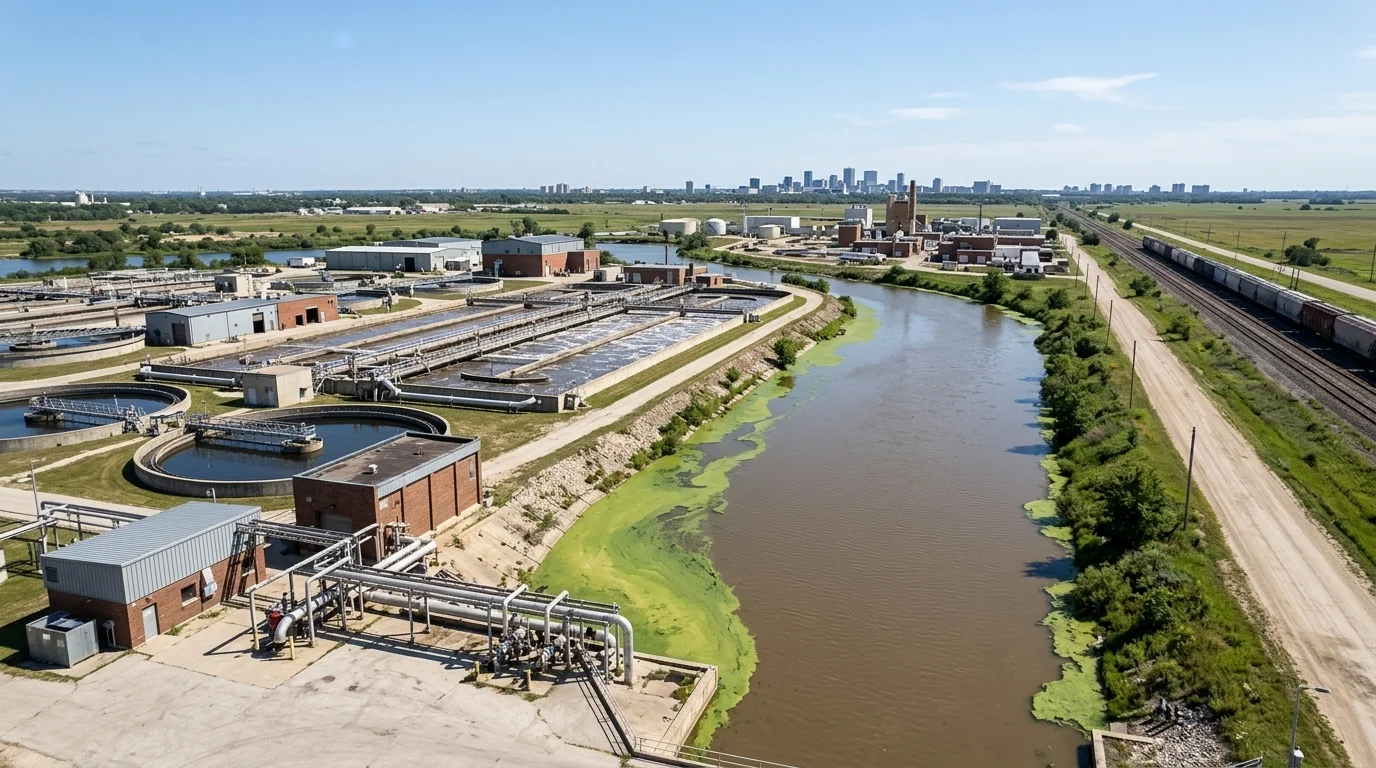
More than two decades after Manitoba regulators ordered Winnipeg to stop dumping excess nutrients into its rivers, the city is finally moving to build the treatment facilities at the heart of that mandate, tendering the nutrient removal upgrade at its largest sewage plant.
The North End Water Pollution Control Centre, known as NEWPCC, processes roughly 70% of Winnipeg's wastewater before it flows into the Red River and, eventually, north into Lake Winnipeg. For years, scientists and environmental groups identified the plant as the single largest point-source of phosphorus entering that lake, a massive freshwater body that by the 2010s was choking on algae blooms so thick they were visible from space. The Global Nature Fund named Lake Winnipeg the world's most threatened lake in 2013. A $50 million-plus commercial fishery, Indigenous communities and a regional tourism economy all depend on its health.
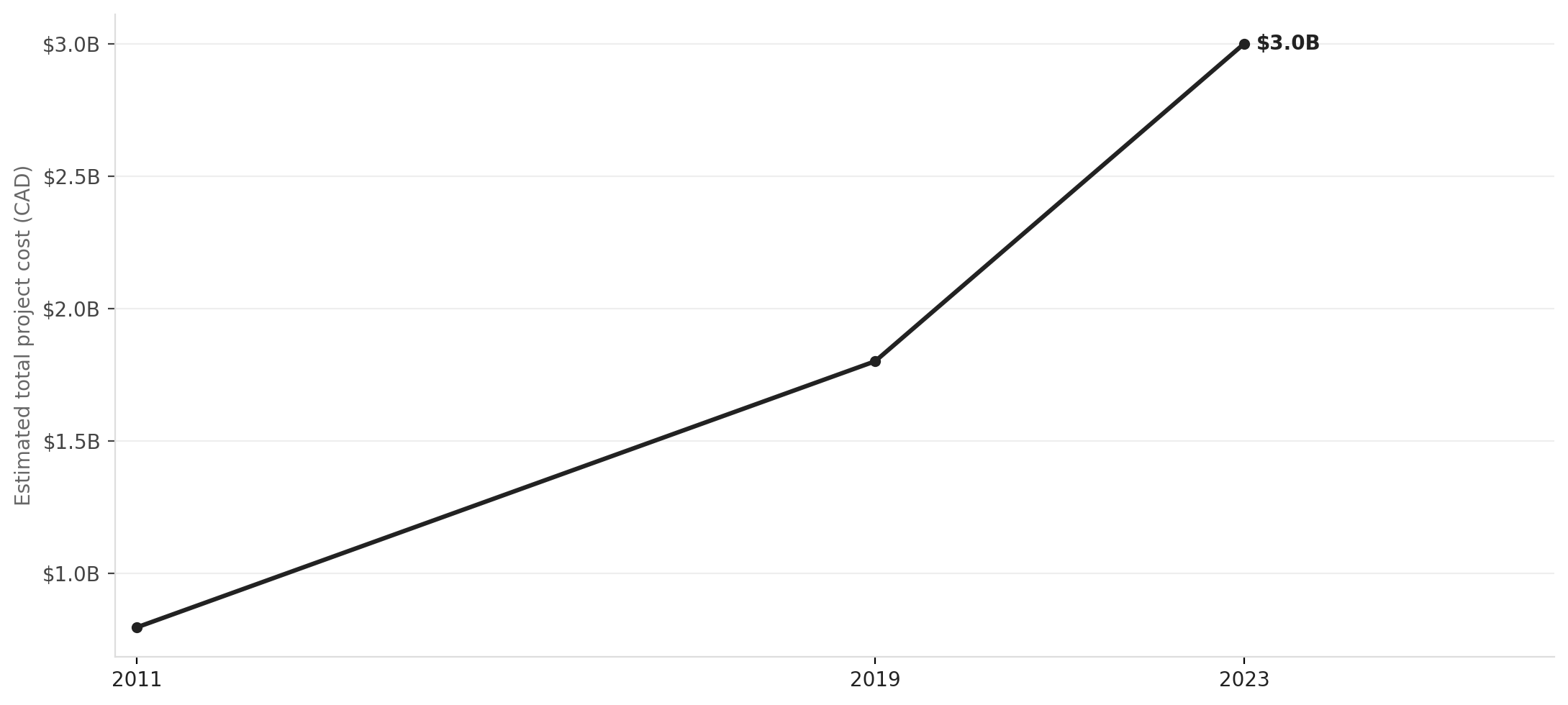
The original order to upgrade the plant came from the Manitoba Clean Environment Commission in 2003, requiring Winnipeg to remove both nitrogen and phosphorus from its effluent. The city spent years pushing back, arguing nitrogen removal alone was sufficient and pointing to agricultural runoff as the bigger culprit. That dispute, and successive rounds of cost escalation, stretched a project once estimated at roughly $795 million into one now projected to cost more than $3 billion, the most expensive infrastructure undertaking in Winnipeg's history.
Source: NationGraph.
The nutrient removal facility is the third and final phase of the NEWPCC overhaul, following earlier work on a biosolids facility and power supply upgrades. The city has now posted a tender for the project on the federal CanadaBuys portal, using a Progressive Design-Build model that brings contractors into the planning process earlier than traditional procurement, an approach increasingly common on large Canadian water infrastructure projects to help manage cost and schedule risk.
The bill for Winnipeg ratepayers has already been steep. Mayor Scott Gillingham warned in recent years that water and sewer rates would need to rise sharply to fund the program, and the city has repeatedly sought larger contributions from the federal and Manitoba provincial governments. Funding arrangements under the Investing in Canada Infrastructure Program have been renegotiated multiple times as costs climbed.
How quickly construction can begin, and whether the funding picture is finally settled, will determine when Winnipeg, and Lake Winnipeg, actually see results from an obligation that is now old enough to vote.