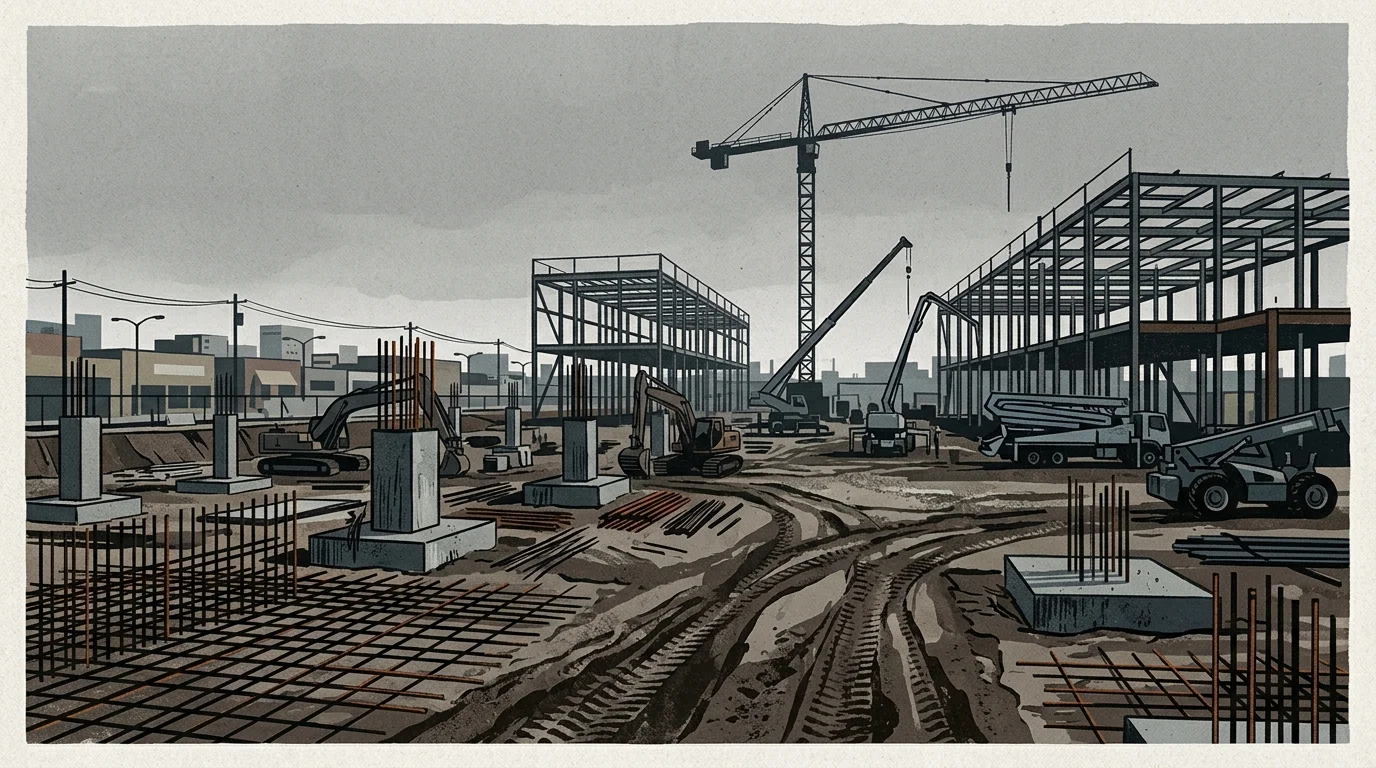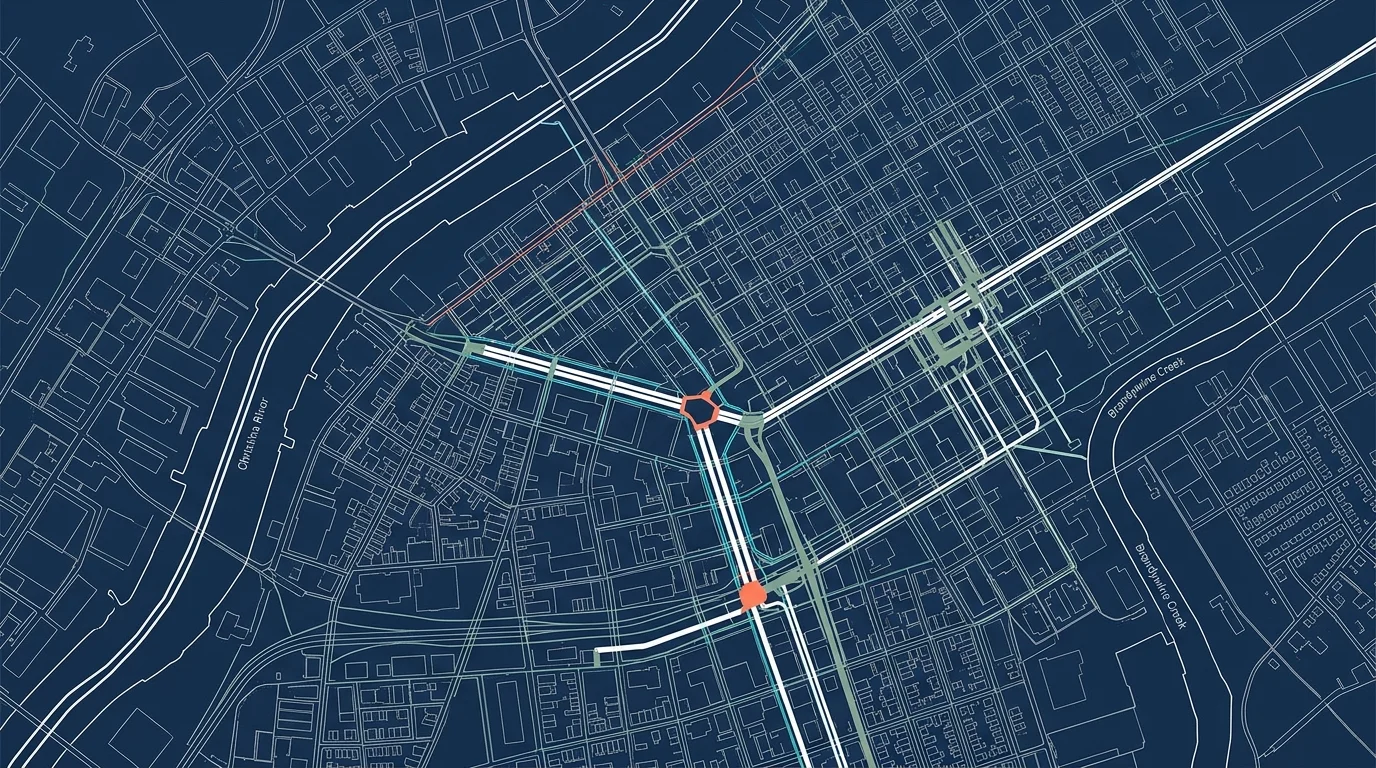
Wilmington, Delaware is tearing down a city maintenance building to make way for a new pump station, part of an ongoing push to stop raw sewage from spilling into the Christina River and Brandywine Creek every time it rains.
The problem is rooted in the city's age. Like many older northeastern cities, Wilmington runs a combined sewer system, a design common in the 19th and early 20th centuries that funnels both stormwater runoff and raw sewage through the same pipes. During heavy rain, the pipes overwhelm and discharge untreated sewage directly into local waterways in what are called combined sewer overflows. Those rivers drain into the Delaware River, making the problem regional. Wilmington's 73,000 residents are served by infrastructure that, in some areas, is more than 100 years old.
The new facility, called a dry weather pump station, is designed to handle sewage flows on normal, rain-free days, intercepting wastewater that would otherwise sit in or leak from the aging combined system. When pump stations fail or lack capacity, even routine dry-weather flows can back up or discharge. The city is replacing an existing pump station at 11th Street that is either failing, undersized, or both, and reclaiming the site of its traffic division maintenance building to fit the new facility into Wilmington's dense 17-square-mile footprint.

Source: NationGraph.
The project is funded through Delaware's Water Pollution Control Revolving Loan Fund, the state's version of a federal loan program that has provided more than $180 billion nationally for water infrastructure at below-market rates. The Bipartisan Infrastructure Law of 2021 injected an additional $11.7 billion into these programs nationally, and Delaware has directed a share of that to Wilmington's sewer system. For a city with deep fiscal constraints, including a high poverty rate around 26 percent and a large base of tax-exempt government and nonprofit property, that federal-backed financing is essential for a project of this scale.
The new pump station will connect into Wilmington's broader network of interceptors and pump stations, with modern electrical controls and monitoring systems designed to keep the conveyance system running reliably. The city is hiring a contractor to build it, with bids currently being sought through the city's procurement office.
This project is one piece of a longer effort. The EPA has pressured cities with combined sewer systems to develop reduction plans since the 1990s, and Wilmington has operated under regulatory pressure from federal and state environmental agencies for decades. Whether this pump station meaningfully moves the needle on overflow frequency will depend on how it fits into the city's broader long-term control plan, and how much more work remains.