West Chester University is overhauling the heart of its health sciences programs with a renovation estimated at $53 million to $57 million, among the largest capital investments in the Pennsylvania State System of Higher Education in recent memory, amid the state's deepening shortage of nurses and healthcare workers.
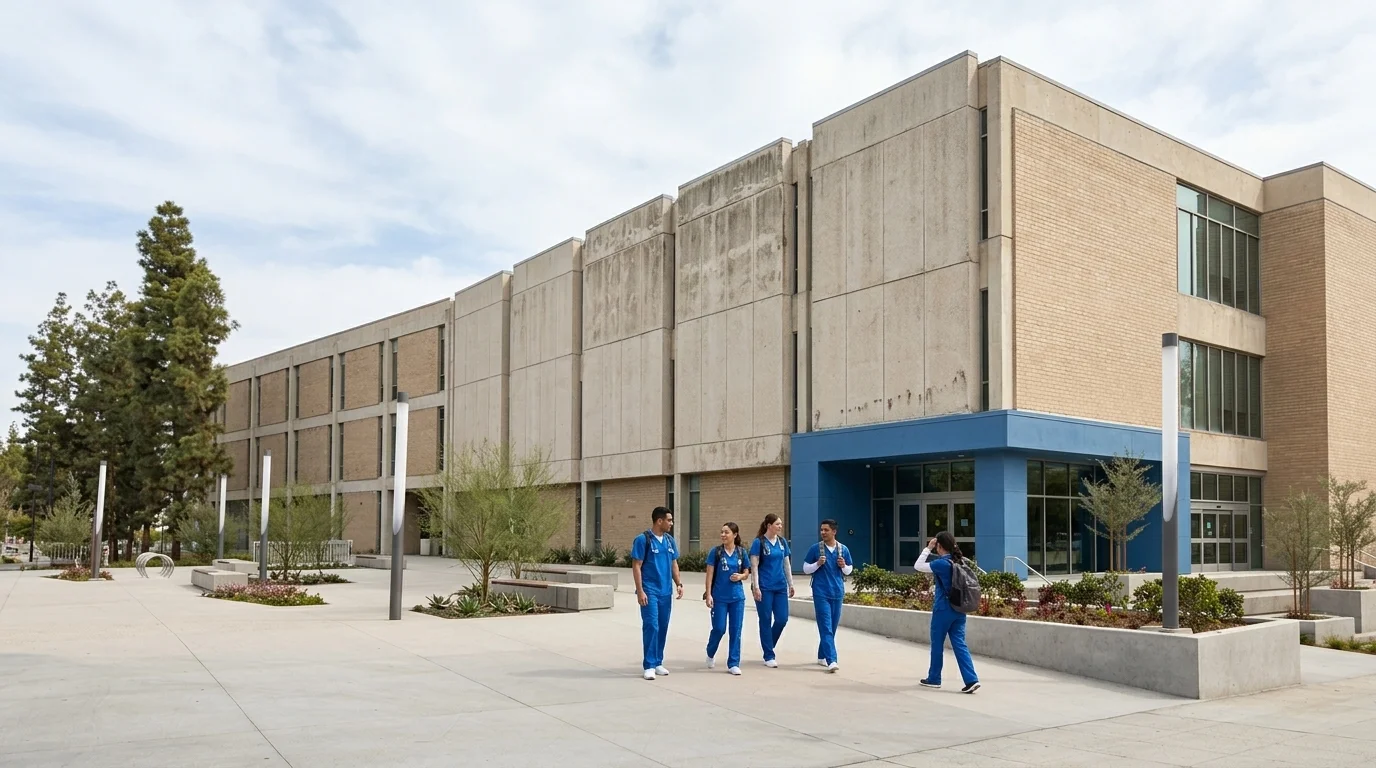
The project targets the Sturzebecker Health Science Center, a 1970s-era building at 855 S. New Street in West Chester, Pa., that houses the university's programs in nursing, kinesiology, nutrition, communication sciences and disorders, and health. Pennsylvania has been among the states hardest hit by pandemic-era burnout in the healthcare workforce, and WCU is the system's largest school, with roughly 17,000 students, making it the most practical place to expand healthcare training capacity at scale.
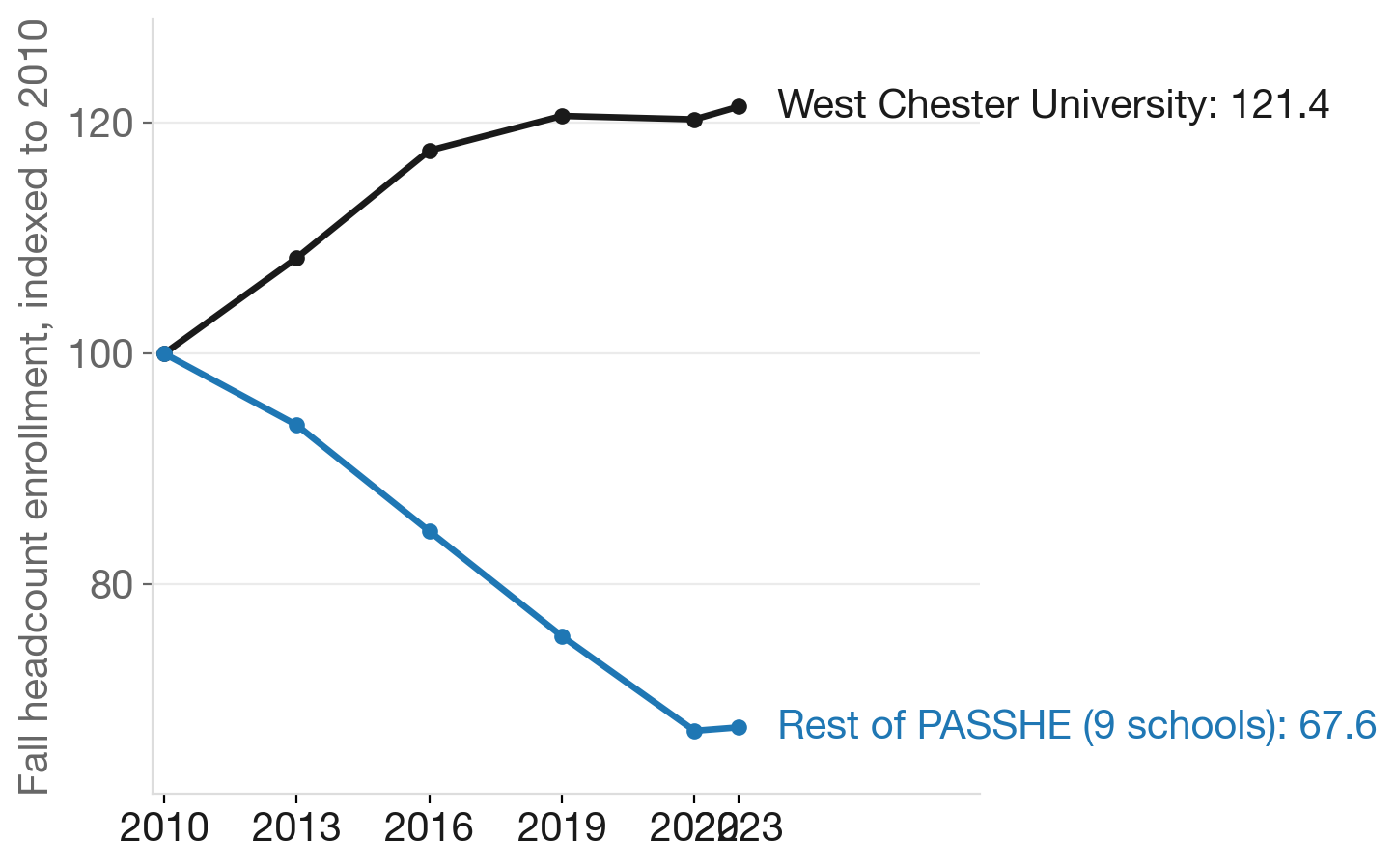
The timing reflects a broader shift in higher education in Pennsylvania. While six of the state's other public universities shrunk so severely that they were merged into two consolidated institutions in 2022, WCU has been a rare outlier, sustaining enrollment growth and positioning itself as the flagship candidate for major capital reinvestment. Governor Josh Shapiro has made healthcare workforce development a signature priority, and this project fits squarely within that agenda.
Source: NationGraph.
The work will be split into four separate contracts under Pennsylvania's longstanding separate-prime contracting law: general construction ($23 to $24 million), HVAC ($12 to $13 million), plumbing ($6 to $7 million) and electrical ($12 to $13 million). Rather than tearing down the aging building, the state is pursuing a gut renovation, consistent with the Department of General Services' recent preference for rehabilitating existing structures rather than building new ones. The project is designated as Phase 1, suggesting additional construction phases are likely to follow.
Contractors are required to meet small diverse business participation goals ranging from 8 to 16 percent depending on the contract, along with a 3 percent goal for veteran-owned businesses. These requirements reflect a restructured state program that now demands contractors either meet those targets in full or demonstrate good-faith efforts to do so.
The solicitation is posted on Pennsylvania's emarketplace, where contractors can access full bid documents. Bids were due Oct. 2, 2026. The next step is contractor selection, after which construction timelines for the Sturzebecker building will become clearer.