Federal flood-control funding for Utah hit $9,940,316 in the last 90 days, a 1,186% jump from the $772,860 awarded in the same window a year ago, and nearly every dollar of it is going to one county in the southwestern corner of the state that most outsiders associate more with red rock and sunshine than catastrophic floods.
Washington County, home to St. George and roughly 204,000 residents, received the full $9.9 million on June 22, 2026, through the USDA Natural Resources Conservation Service's Watershed Protection and Flood Prevention Operations program, a federal grant authority dating to Public Law 83-566. The grant runs through May 2029. In the Intermountain West, the scale of this single award is striking: Utah's 90-day total is nearly five times that of Colorado, the next closest state at $2.1 million.
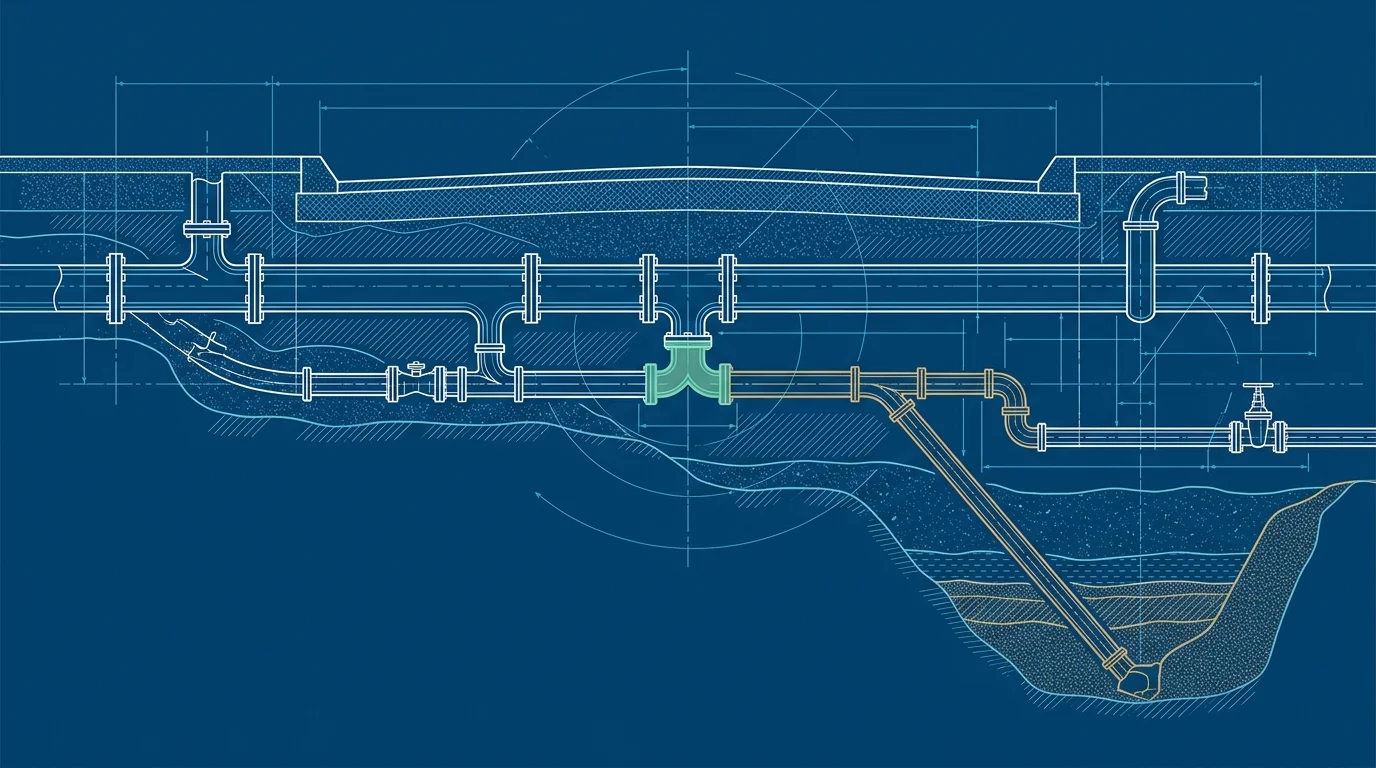
The money did not materialize quickly. Washington County has been engaged in USDA watershed planning for the Warner Draw system since at least 2019, and the two projects this grant is expected to fund have moved through years of environmental review. The Gould Wash Flood Protection Project, a dry detention dam proposed on Bureau of Land Management land upstream of Hurricane City, published its Final Supplemental Environmental Impact Statement in March 2026, after a public comment period that closed in late 2025. The Santa Clara Watershed project, involving stream diversions and detention basins in Dammeron and Diamond Valleys, completed its public scoping meeting in June 2025. Both projects cleared NRCS's multi-year NEPA review process before the federal obligation could be made.

Source: NationGraph.
Two days after this grant was obligated, Washington County issued a public RFP for construction of flood mitigation infrastructure, with a closing date of September 30, 2026. The county was not waiting to figure out what to build. It had been waiting for Washington to cut the check.
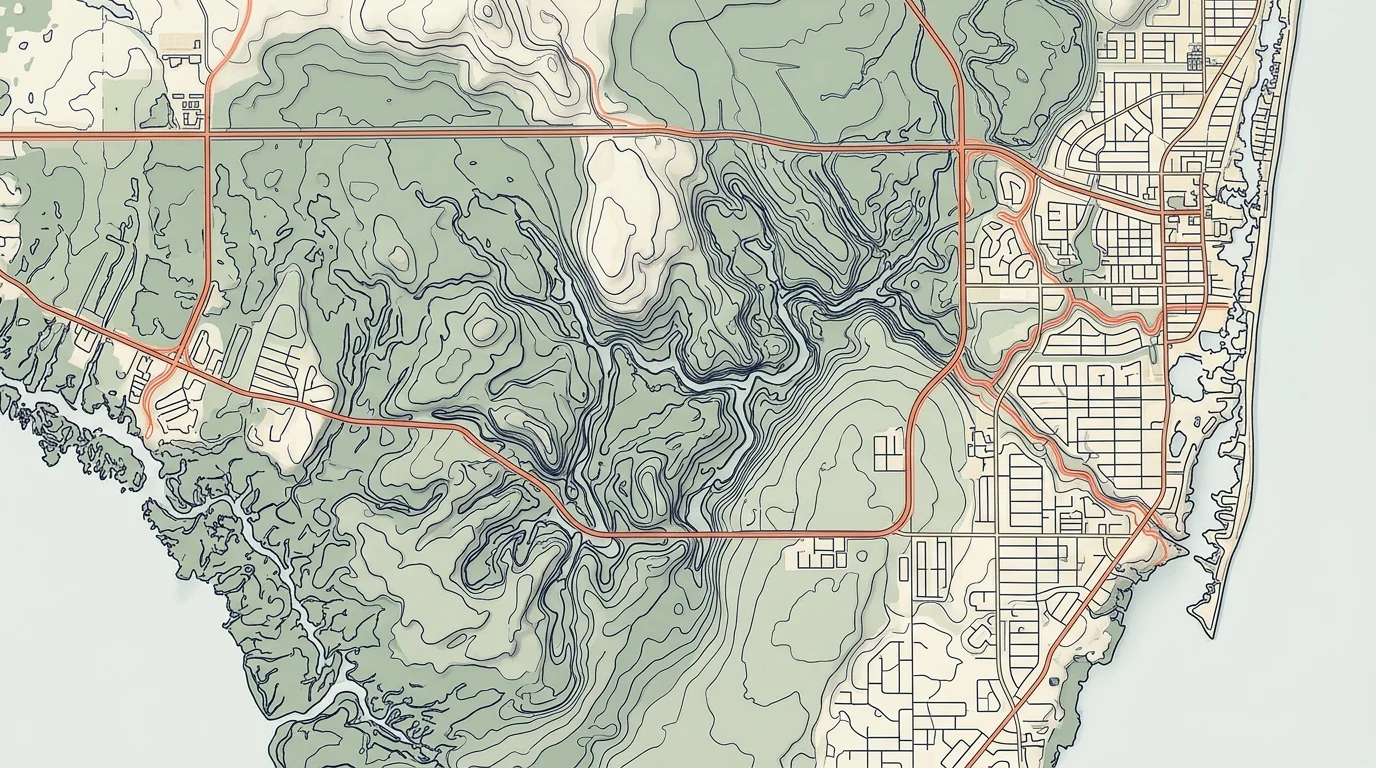
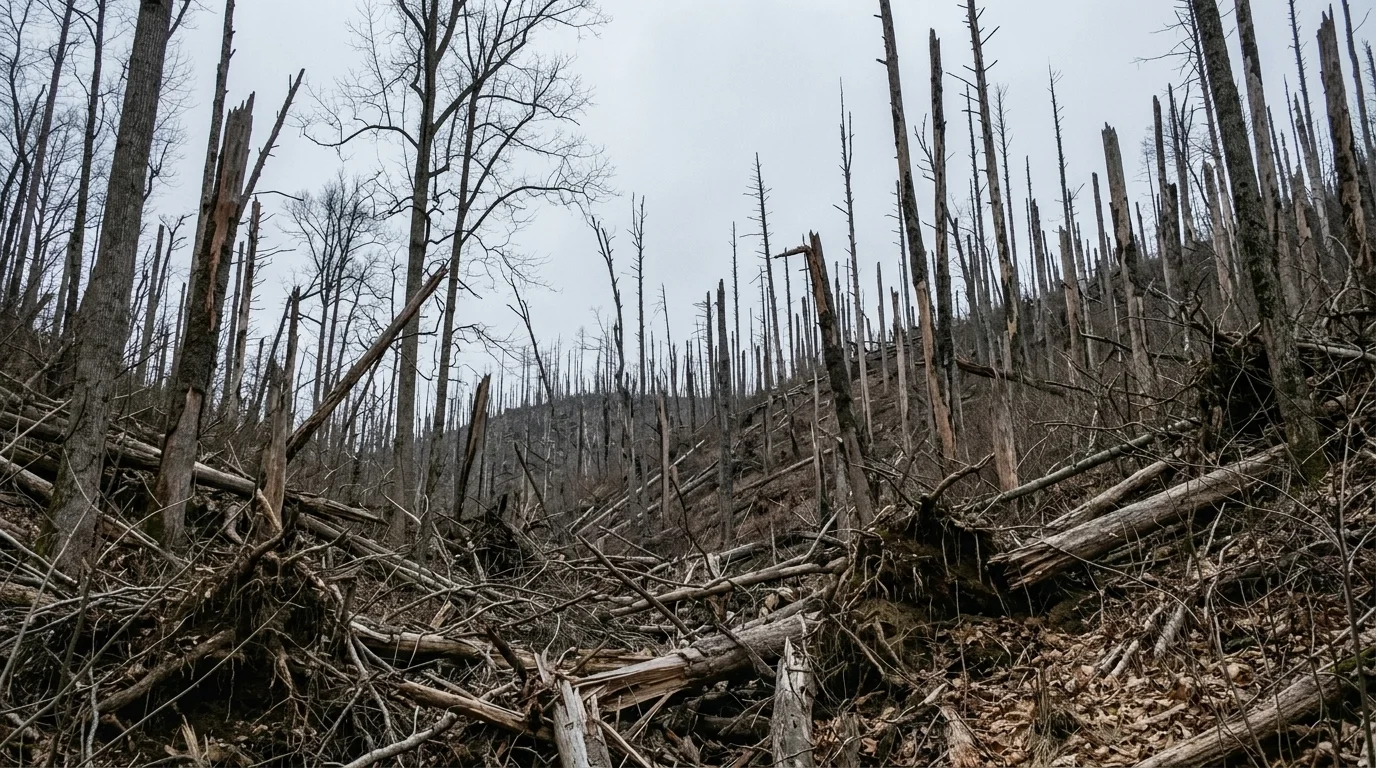
The urgency is grounded in history. The 2005 Santa Clara River flood destroyed more than 28 homes, caused an estimated $150 to $300 million in damage, and produced flows not recorded since 1862. Washington County's terrain, impermeable red rock that sheds water almost instantly, means that even moderate rainfall becomes violent flash flooding within minutes. In October 2025, storms again inundated Hurricane, Dammeron Valley, and LaVerkin, the same communities the Gould Wash and Santa Clara projects are designed to protect. The county has watched the same washes flood the same neighborhoods across multiple generations of residents.
The WFPO program is explicitly a plan-first, build-second authority. Local sponsors develop watershed plans with full environmental review; federal construction funds are obligated only after that process concludes. That structure explains both the delay and the spike: years of preparation culminate in a single large obligation, which shows up in the data as a sudden surge. This is not a new program opening new doors, NRCS Utah has announced it will not accept new Preliminary Investigation Findings Report applications in 2026, citing funding constraints. The current awards are clearing a committed backlog, not launching a new round.
Washington County's award is the largest single piece of Utah's accelerating statewide watershed build-out, but it is not the only one. Uintah County in the northeast holds a $16.4 million WFPO grant awarded in August 2024 and active through 2027. Sevier County received $5.2 million in April 2026 through a separate and distinct USDA authority: the Emergency Watershed Protection program, which operates on a rapid-response timeline triggered by natural disasters rather than the multi-year planning cycle that governs Washington County's award. The two programs share an administering agency but serve entirely different purposes and run on entirely different clocks.
For residents of Hurricane, Santa Clara, and the surrounding communities, the practical near-term signal is the September 30 contractor deadline. If bids come in on schedule, ground could break on the Gould Wash detention dam and the Santa Clara basin infrastructure before the 2027 monsoon season. The projects are designed to intercept flows before they reach the urban footprint, the same footprint that has expanded rapidly as Washington County has grown into one of Utah's fastest-developing regions.
What to watch: whether the RFP process produces a contractor award before year-end, and whether Washington County's existing $1.525 million WFPO grant (active through July 2027) is being drawn down in parallel with the new obligation. The bigger open question is what comes after this cycle. With NRCS Utah closing its application window for new projects in 2026, the counties that did not complete their planning paperwork in time will be waiting for a future funding cycle, in a state where the monsoon season does not.