Texas housing agencies issued 164 RFPs in the trailing 30 days, 2.2 times the 12-month monthly average of roughly 74, and nearly four times the 44 issued in September 2026 alone. That acceleration is not a sign of a suddenly flush system. It is the procurement signature of three distinct funding and regulatory clocks running out at the same moment, forcing agencies that rarely move in unison to bid simultaneously.
The three forces share no common mechanism and target different actors, which is precisely what makes the convergence unusual.
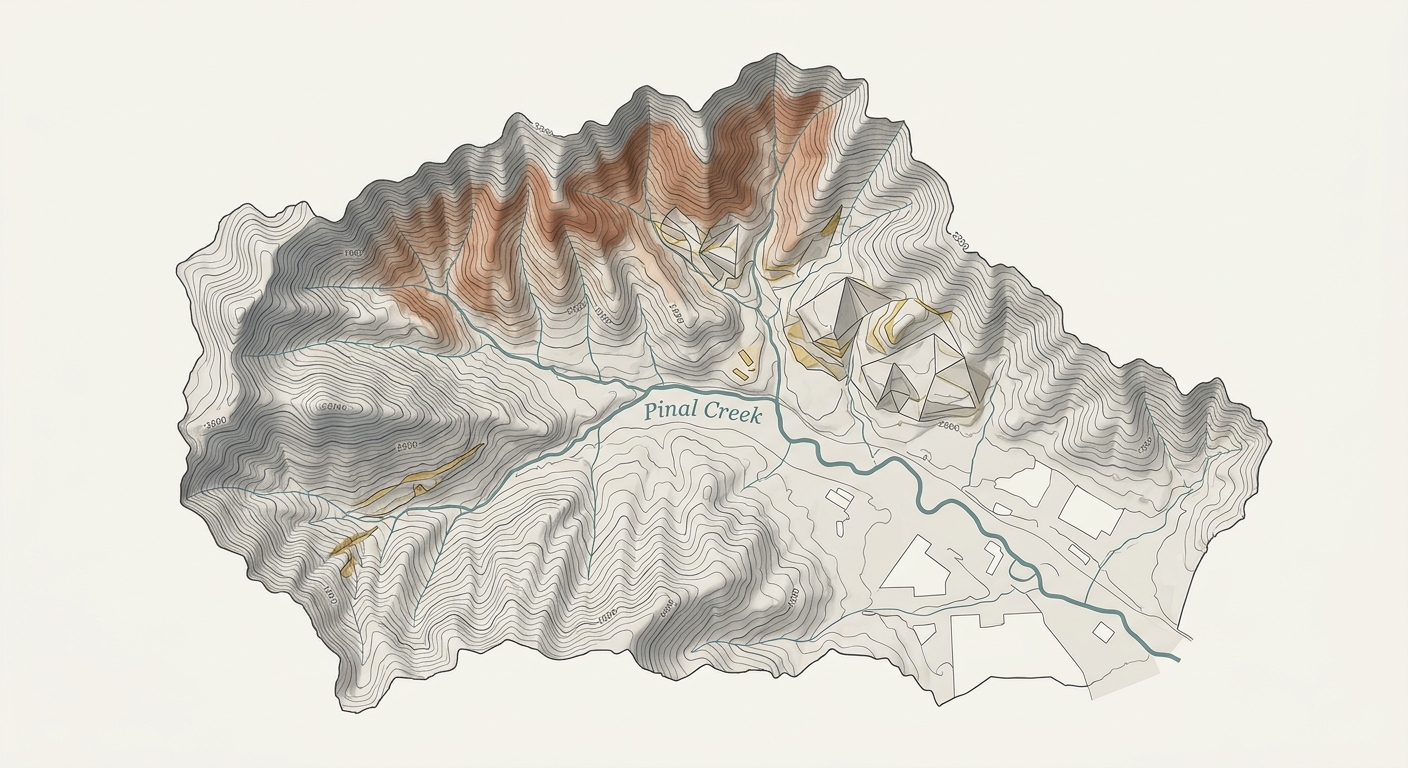
The first clock is the most urgent. The GLO's Harvey CDBG-DR program, a federal disaster recovery block grant that has moved $5.6 billion through 49 eligible Texas counties since 2017, is entering formal closeout under Amendment 22, posted July 3, 2026. The Harvey Affordable Rental Program has already contracted $566.5 million across 75 developments and 5,754 rental homes, and that program is closed to new awards. What remains is a pool of deobligated funds under the Disaster Recovery Reallocation Program, and TAAHP publicly pressed the GLO on October 15 to redirect those dollars to affordable multifamily before federal spending deadlines expire. For housing authorities in Galveston and Harris County, this is the last window. Galveston Housing Authority, with six RFPs in the trailing 30 days, is among the most active agencies in the state, consistent with a local authority managing both the closeout of prior Harvey commitments and the search for whatever comes next.
The second clock is the TDHCA grant cycle. The agency ran two overlapping 2026 multifamily NOFAs this year: $16.4 million in National Housing Trust Fund dollars (application period January through May 2026) and $35.2 million in HOME Investment Partnership funds (February through June 2026). Both are federal block grants administered by TDHCA through a competitive state process, a different mechanism entirely from the GLO's disaster recovery pipeline. The overlapping application windows created parallel procurement timelines for developers and their public agency partners, and the downstream contracting activity from awards made earlier this year is now flowing into RFP volume. Agencies procuring inspectors, property managers, and rehabilitation contractors in October are often working off awards that closed in spring.
The third clock is legislative. The 89th Texas Legislature passed five significant housing-supply reform bills in 2025: SB 15 (lot-size reform), SB 840 and SB 2477 (office-to-residential conversion by right), SB 1567 (occupancy cap preemption), and HB 21, which overhauled the state's tax-exempt Housing Finance Corporation structure and took effect May 28, 2025. HB 21 in particular ended the "traveling HFC" loophole and imposed new affordability and compliance requirements, changes that require housing authorities to re-evaluate existing partnership structures and, in many cases, re-procure legal, financial, and operational services. None of these bills carried direct appropriations. They create procurement demand by changing the rules agencies must now operate under, and that demand is showing up in October's RFP count.
The agency-level concentration is notable. San Antonio Housing Authority leads with 10 RFPs. Bexar County Housing Authority and Dallas City Housing Authority each filed five. Together with Galveston and Harris County housing authorities, these five agencies account for a disproportionate share of the volume, and each faces a distinct combination of the three pressures above. San Antonio and Dallas are both large Section 8 Housing Choice Voucher administrators; HUD has obligated more than $400 million in new HCV funding to Texas housing authorities in the last 12 months, creating ongoing administrative and construction contracting needs on top of everything else.
Of the 164 RFPs, 32 are explicitly tagged to affordable or public housing programs, 25 are student housing (concentrated at UTHealth and Texas Southern University), and 107 cover related services: rehabilitation, inspections, property management. That last category is where the convergence is hardest to see from any single story but clearest in aggregate, agencies don't hire inspectors and property managers unless they expect to have buildings to inspect and manage.
Texas now ranks second nationally in 30-day housing RFP volume, trailing only California's 177. That comparison matters because Texas has a significantly smaller per-capita public procurement footprint than California. The October pace, if it holds, would approach the February 2026 high of 222, the previous peak in this cycle.
The next signal to watch is whether the GLO receives HUD approval for Amendment 22's reallocation provisions. If TAAHP's push succeeds and deobligated DRRP funds are redirected to affordable multifamily, a fourth wave of RFPs will follow in Harris, Galveston, and Bexar counties, this time racing a federally imposed expenditure deadline that the state cannot extend.