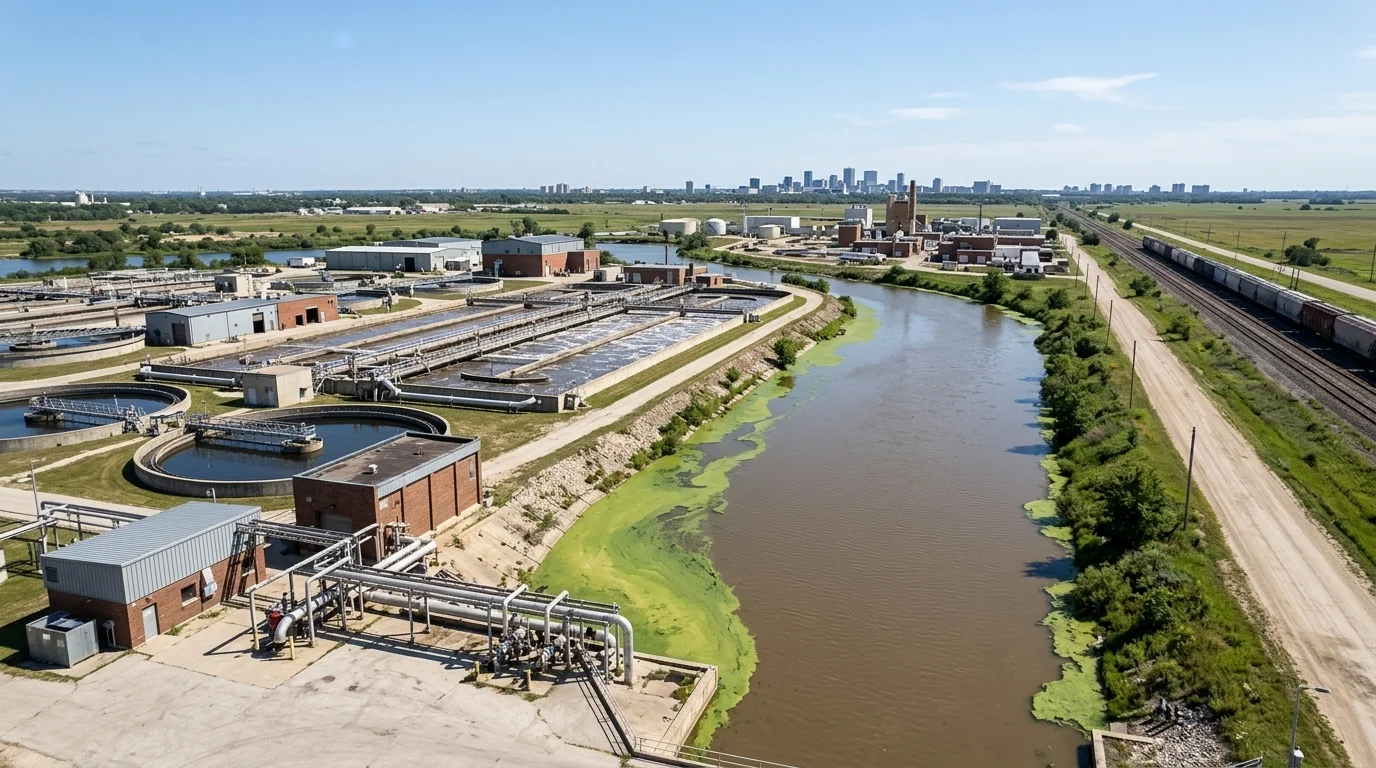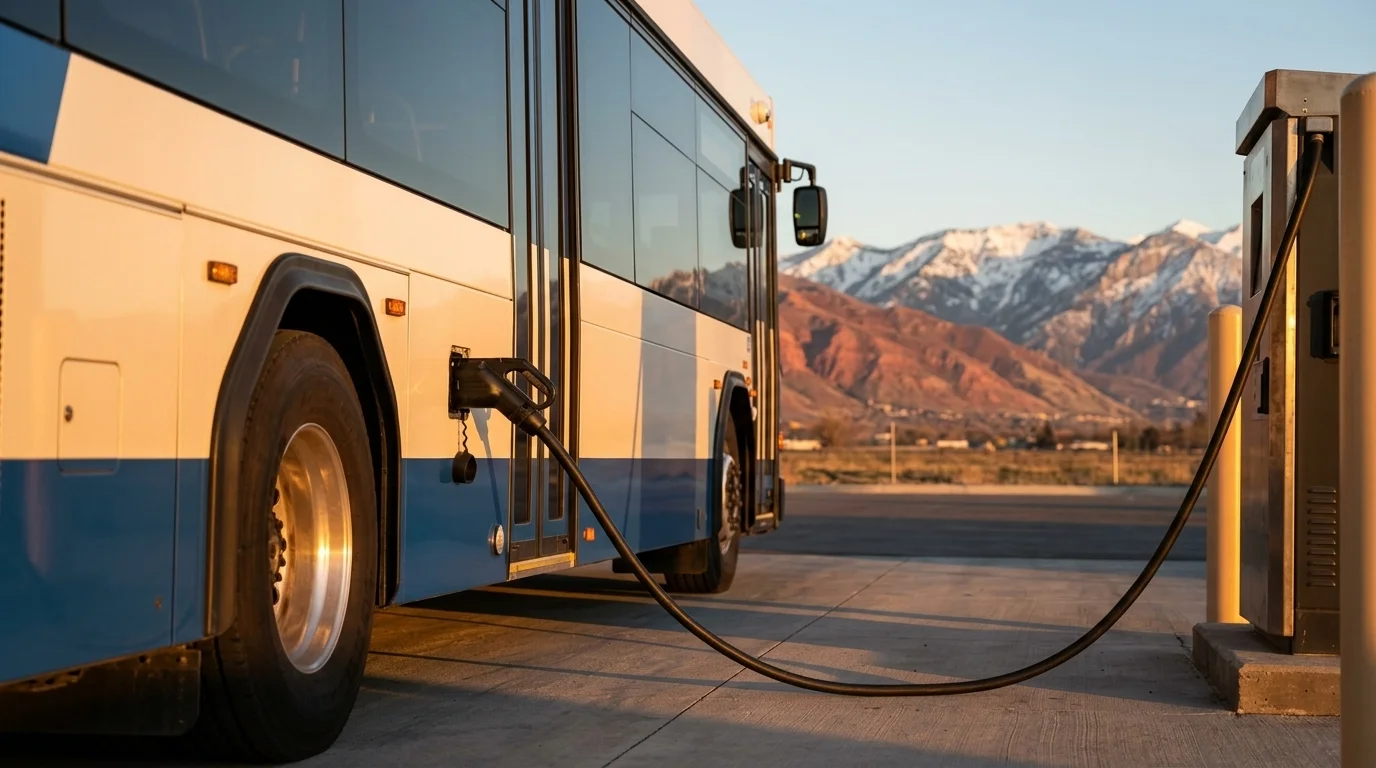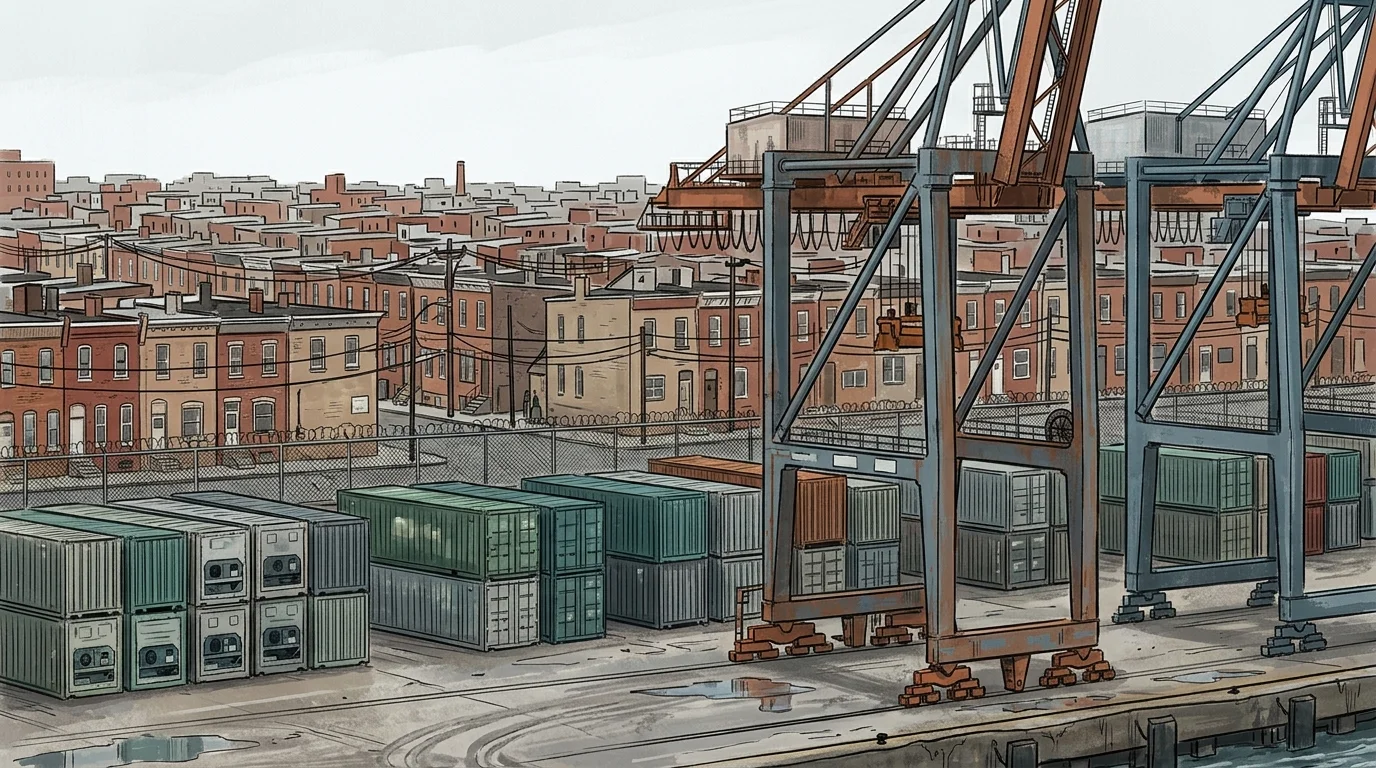
For decades, North Philadelphia's river wards have lived downwind of one of the country's busiest diesel operations: the Tioga Marine Terminal, where cranes, yard tractors, idling trucks and refrigerated cargo containers run almost entirely on fossil fuel. PhilaPort, the Commonwealth's port authority, is now moving to change that, hiring contractors to build the electrical infrastructure needed to power the terminal on grid electricity instead.
The work involves the kind of unglamorous but essential groundwork that makes electrification possible: substations, transformers, switchgear, conduit and power racks for the refrigerated shipping containers known as reefers. Philadelphia is the largest U.S. port for imported fruit, including Chilean grapes and Central American bananas, and reefers are among the most energy-hungry parts of any terminal operation. Shifting them from diesel generators to grid power is one of the highest-impact emissions reductions PhilaPort can make.
The census tracts surrounding Tioga rank among the most diesel-polluted communities in Pennsylvania, according to EPA environmental justice screening data, with elevated rates of asthma and cardiovascular disease tied to particulate exposure. PhilaPort acquired the terminal in 2016 and has invested heavily in modernizing Philadelphia's port facilities since then, but the electrification push represents a different kind of investment: one aimed at the neighborhoods outside the fence line, not just the cargo moving through it.
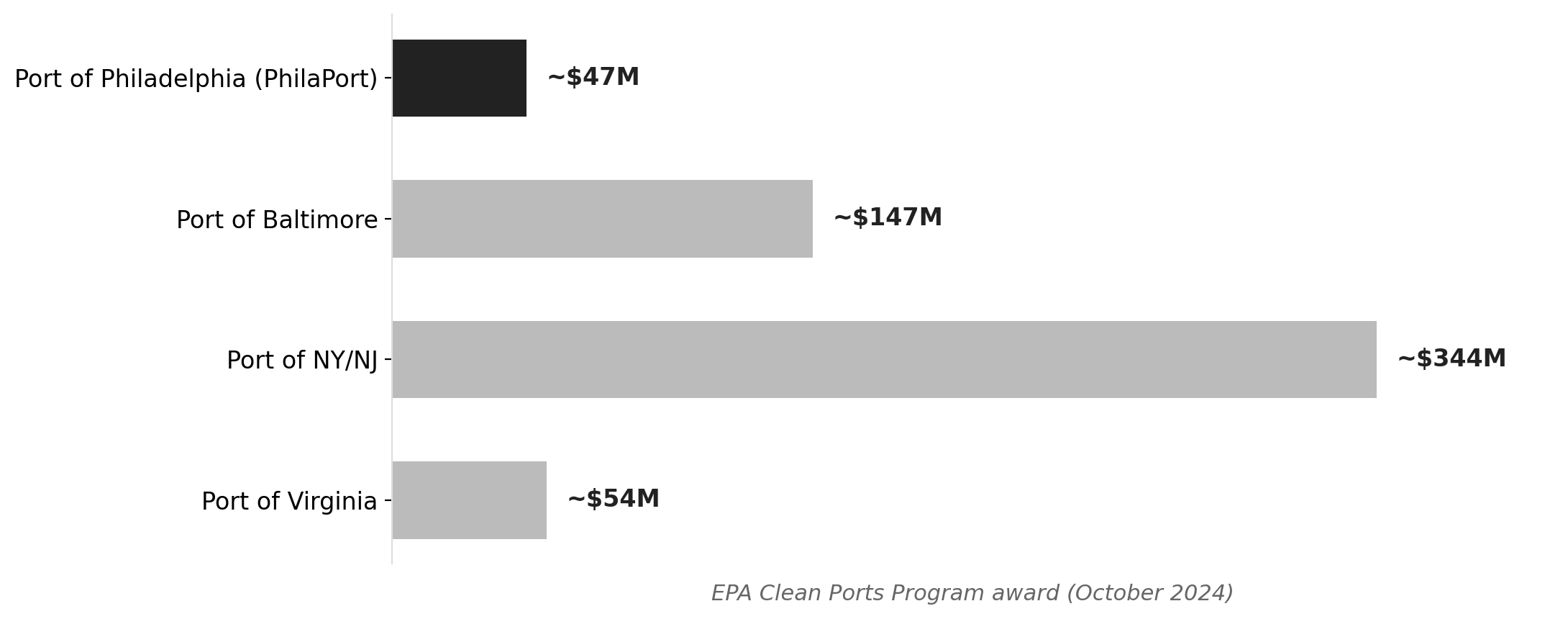
Source: NationGraph.
The project draws on funding from the EPA's Clean Ports Program, a $3 billion initiative created by the 2022 Inflation Reduction Act. PhilaPort was named as a recipient in the EPA's October 2024 award announcement, with a grant reported in the tens of millions. That federal backing comes with a caveat: the Trump administration has taken an adversarial posture toward IRA-funded clean energy programs, and whether those dollars remain fully available is an open question.
PhilaPort has posted the solicitation on its procurement portal, with project documents available through the Bonfire platform at philaport.bonfirehub.com. How quickly the project moves from contractor selection to construction will be one early test of whether Philadelphia's long-promised port cleanup survives the current federal climate.