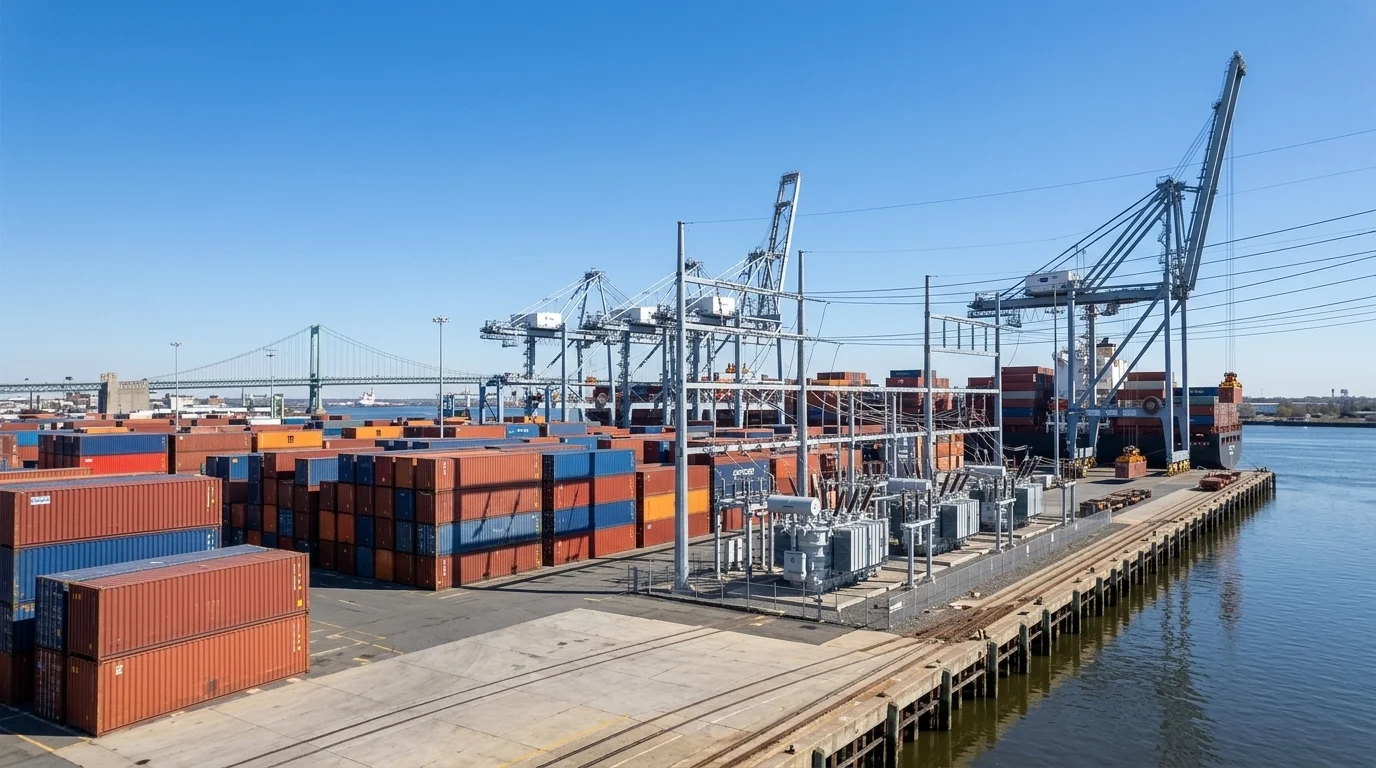
The neighborhoods surrounding Philadelphia's Tioga Marine Terminal have endured decades of diesel exhaust from cargo ships, trucks, and heavy equipment working one of the East Coast's busiest cargo docks. Now PhilaPort, the Philadelphia Regional Port Authority, is moving to rewire the terminal from the ground up, installing the electrical infrastructure needed to run battery-powered cranes, yard tractors and forklifts in place of diesel machines.
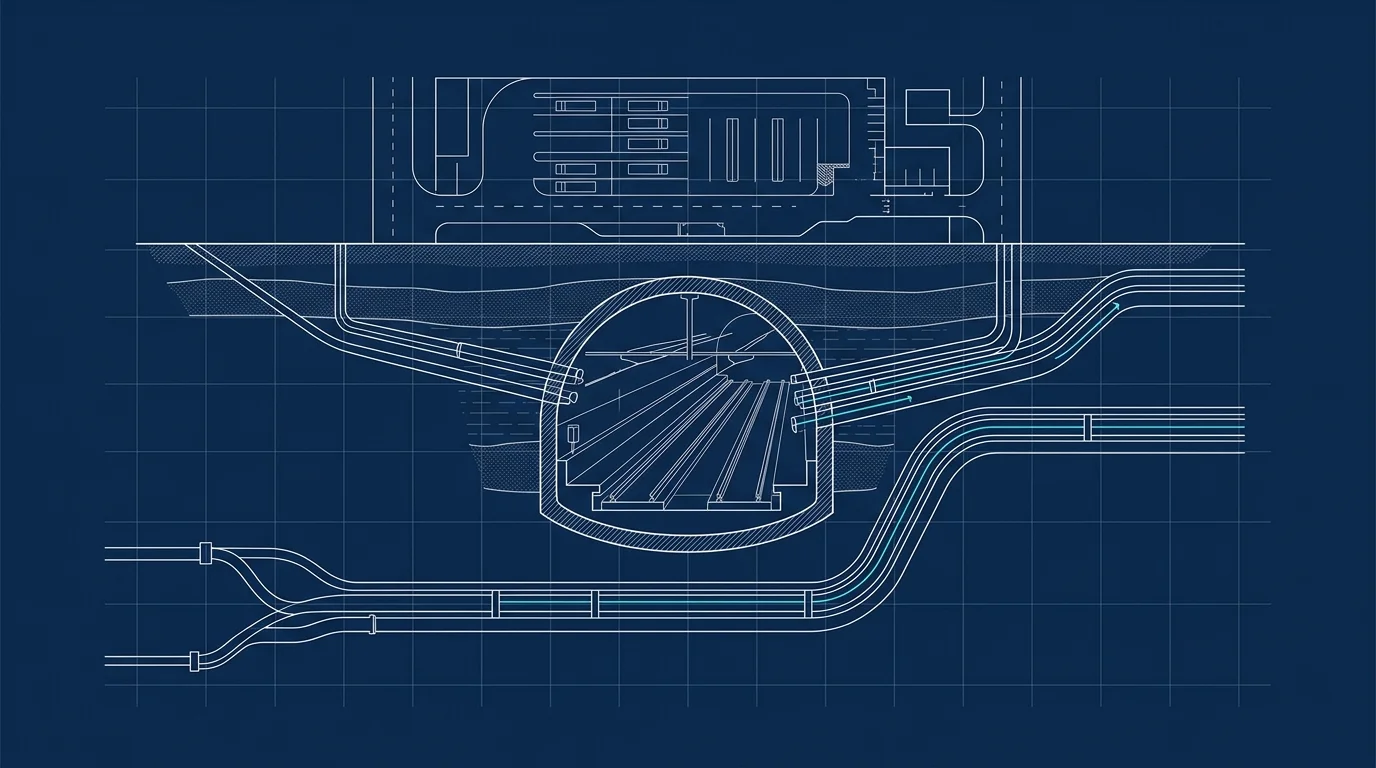
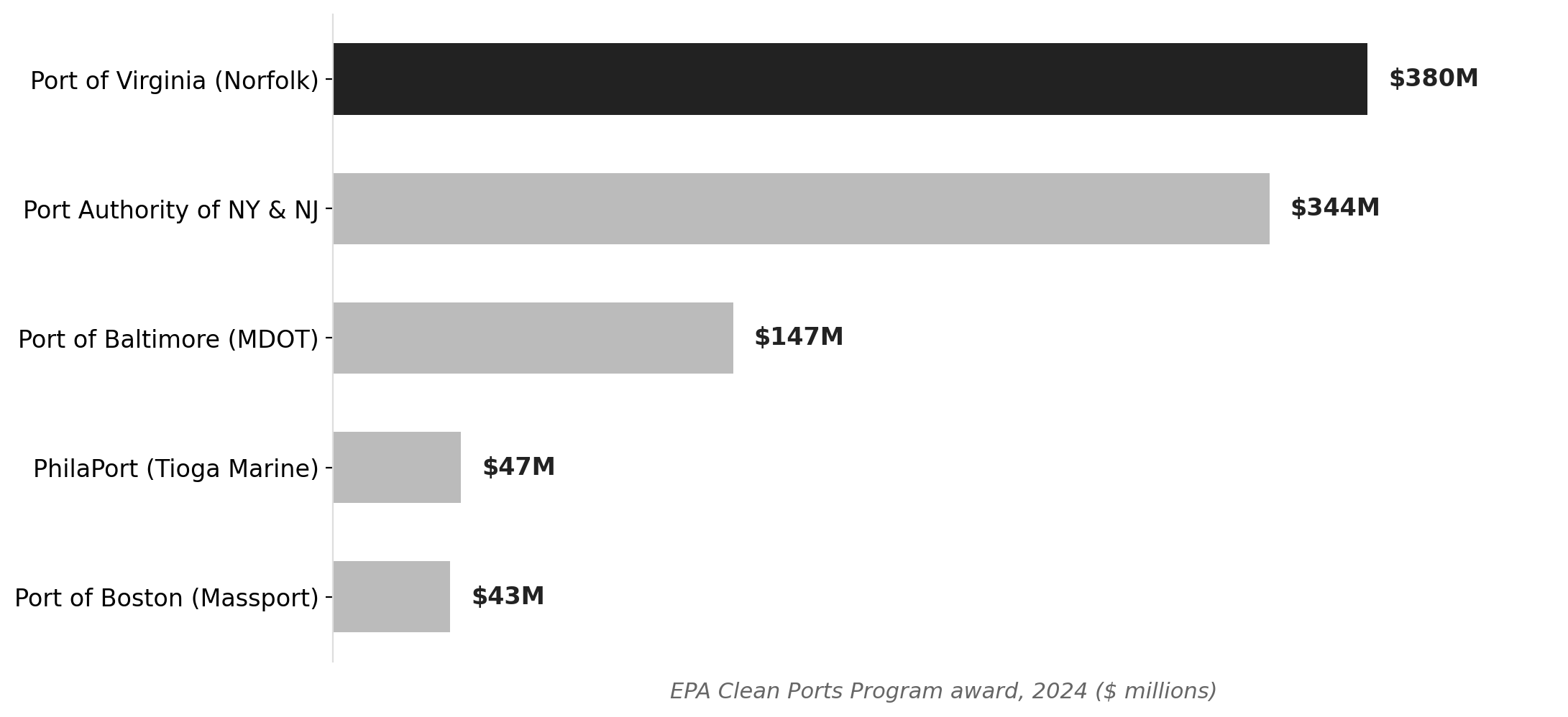
The project is backed by a roughly $47 million grant the EPA awarded PhilaPort in October 2024 through the Clean Ports Program, a $3 billion national fund created by the Inflation Reduction Act to decarbonize U.S. ports. PhilaPort has posted a solicitation for contractors to build the site infrastructure: the substations, transformers, conduit runs and charging connections that have to exist before any electric equipment can plug in.
Tioga sits in the Port Richmond and Tioga corridor of North Philadelphia, adjacent to Kensington and Harrowgate, neighborhoods that rank among the city's highest for asthma rates and diesel-related air pollution. Ships docked at berth have traditionally kept diesel auxiliary engines running around the clock to maintain onboard power, a practice known as hoteling, and cargo handling equipment adds a constant layer of exhaust on top. Electrification would eliminate both.
Source: NationGraph.
The terminal is also a significant economic hub. PhilaPort supports more than 15,000 direct and indirect jobs across the region, and Tioga is the primary entry point for refrigerated cargo, including large volumes of South American fruit imports that require constant cold-chain power. Shore-side electrical hookups for reefer containers are part of what the upgraded grid will support.
The broader push to electrify American ports gained momentum under the 2021 Bipartisan Infrastructure Law and accelerated with the IRA's Clean Ports funding, with PhilaPort's award among the largest in the Northeast. The project also fits the Biden administration's Justice40 framework, which directed 40 percent of federal climate investment benefits toward disadvantaged communities, a category the Tioga corridor clearly qualifies for.
One open question is timing. The Trump administration moved in 2025 to freeze or claw back portions of IRA and infrastructure spending, and it remains unclear whether PhilaPort's grant disbursement has been affected by those efforts. The authority has not publicly addressed any funding delays.
PhilaPort reports to Governor Josh Shapiro, who has promoted port modernization as part of a manufacturing and economic development agenda. The Tioga electrification is one piece of a broader capital push that includes the Southport terminal expansion and a multiyear Delaware River channel deepening project, as Philadelphia competes for cargo market share with Baltimore, Norfolk, and New York.