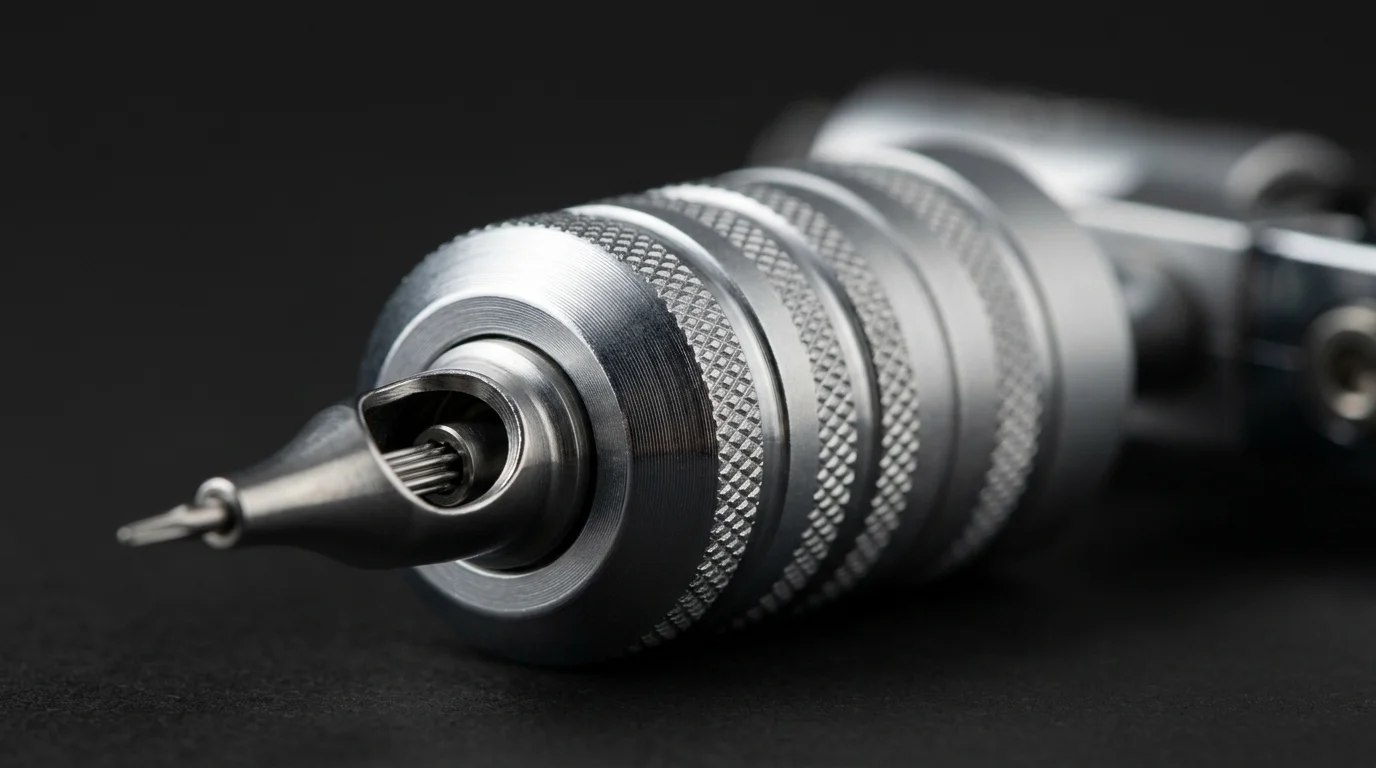
Contraband tattooing has long been a fact of life inside Pennsylvania's prisons, done with improvised needles and ink in conditions that spread Hepatitis C and HIV. Now, SCI Frackville in rural Schuylkill County is trying something different: teaching it professionally.
The Pennsylvania Department of Corrections is hiring an instructor to run a full-time tattoo artist apprenticeship at the medium-security facility, which houses roughly 1,100 men. The program would cover disease prevention, design, application, customer service and basic shop operations, essentially the same curriculum a licensed studio apprentice would receive on the outside. The department posted the solicitation on Oct. 5.
The logic is straightforward. Tattooing is a growing industry worth roughly $3 billion annually in the United States, with about 30% of American adults now tattooed. Entry barriers are relatively low compared to trades like electrical or plumbing work, and the skill transfers directly to employment after release. For men returning to tight labor markets in Philadelphia, Reading and Allentown, where many of Frackville's inmates are from, a demonstrable trade credential matters.
Source: NationGraph.
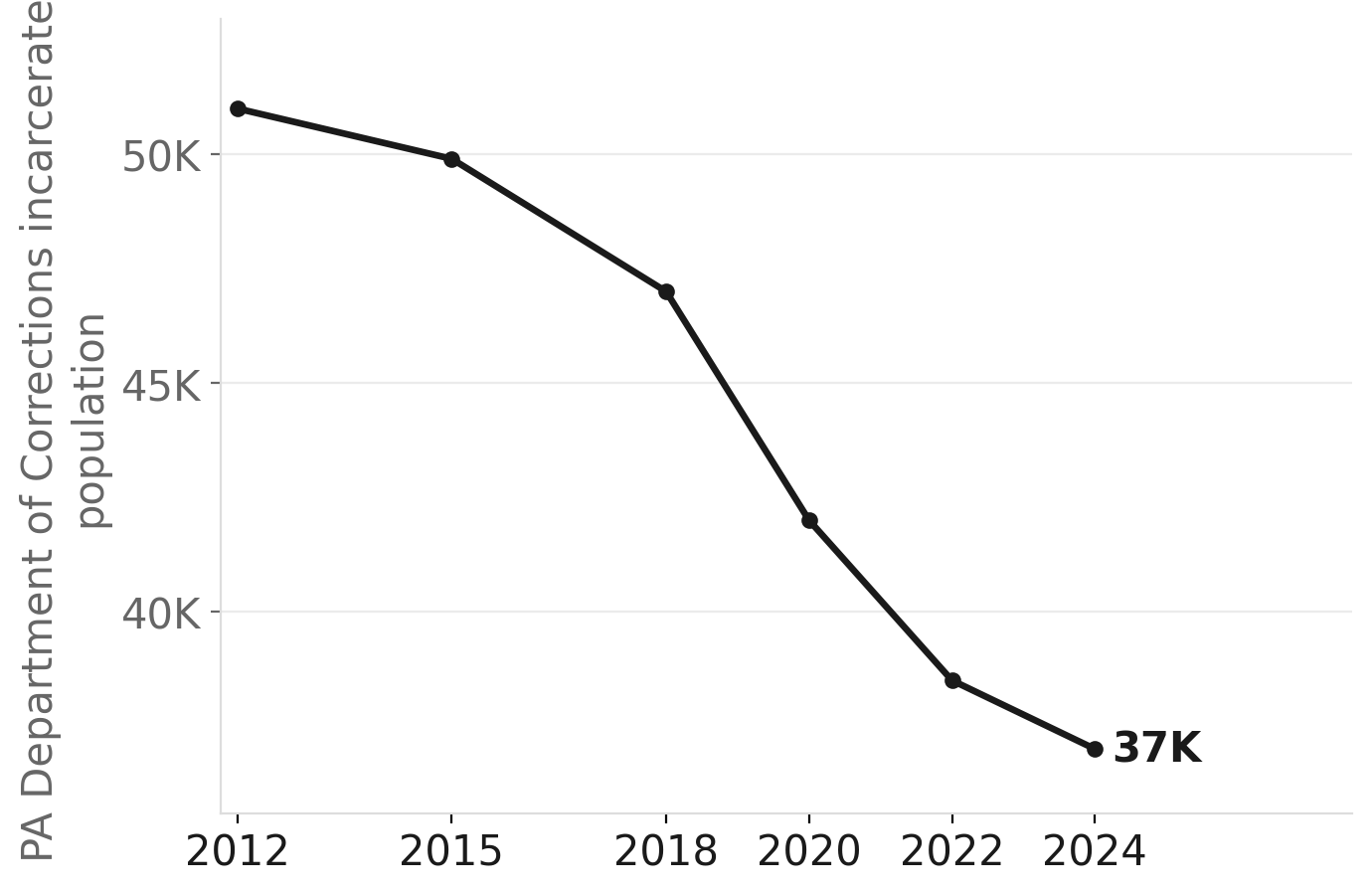
Pennsylvania has been pushing vocational programs as a recidivism reducer for over a decade, with momentum accelerating under Gov. Josh Shapiro, whose administration has made workforce development a central priority. The state prison population has dropped from roughly 51,000 in 2012 to under 37,000 today, giving the Department of Corrections both the political room and budget flexibility to invest in unconventional programs. Existing offerings at Frackville and other facilities include barbering, culinary arts and commercial driver training.
The tattoo program adds a public-health dimension that most vocational courses don't have. Unsanitary prison tattooing is a well-documented vector for bloodborne disease, and training sterile professional technique directly addresses that risk inside the facility, not just the job prospects outside it.
Pennsylvania licenses tattoo artists at the county level rather than statewide, which means someone leaving Frackville would need to clear local health department requirements before working professionally, a potential hurdle, though not an insurmountable one. How the program handles that transition, and how many participants it can serve, should become clearer once an instructor is selected and the apprenticeship gets underway.