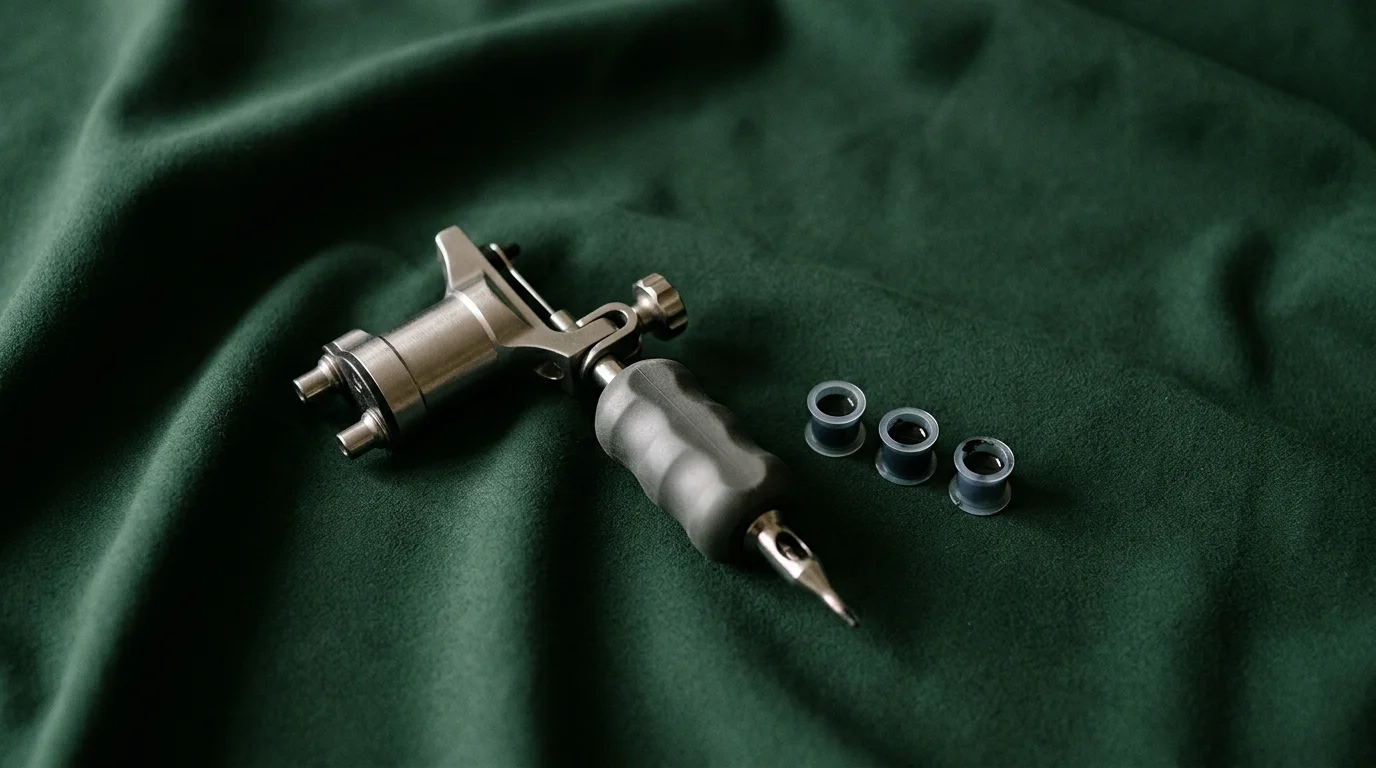
Pennsylvania's Department of Corrections is turning one of prison culture's most iconic contraband activities into a state-sanctioned career pathway, launching a tattoo artist apprenticeship at SCI Frackville in Schuylkill County.
The program would train incarcerated men in the full scope of professional tattooing: disease prevention, design, application, customer service and the business side of running a shop. It is structured as a registered apprenticeship rather than a hobby class, putting it in line with Pennsylvania's broader push to connect inmates with credentials that employers will actually recognize after release. The department is now seeking a contracted instructor to lead the program 32 to 40 hours a week.
The bet behind the program is straightforward: tattooing is no longer a fringe industry. About 32% of American adults now have at least one tattoo, according to a 2023 Pew survey, and the industry generates an estimated $3 billion or more annually. Trained, licensed artists are in genuine demand. For someone leaving prison with few credentials and a criminal record, a marketable skill in a growing trade could make a measurable difference.
Source: NationGraph.
Research backs up the general approach. A widely cited 2013 RAND analysis found that vocational training in correctional settings cuts reincarceration rates by roughly 28 to 43 percent. Pennsylvania spends more than $3 billion a year on corrections, and the Shapiro administration has framed workforce programming in explicitly fiscal terms: every person who doesn't return to prison saves the state roughly $50,000 a year.
Pennsylvania already runs apprenticeship programs at its prisons in barbering, cosmetology, culinary arts and commercial truck driving. Tattooing is the newest and, politically, likely the most provocative addition. The "taxpayer-funded tattoo lessons" critique is predictable in a state where a Republican-controlled Senate regularly scrutinizes corrections spending. What complicates the program further is that Pennsylvania licenses tattoo artists at the county and municipal level rather than through a single statewide board, meaning graduates' credentials may not travel uniformly once they're released.
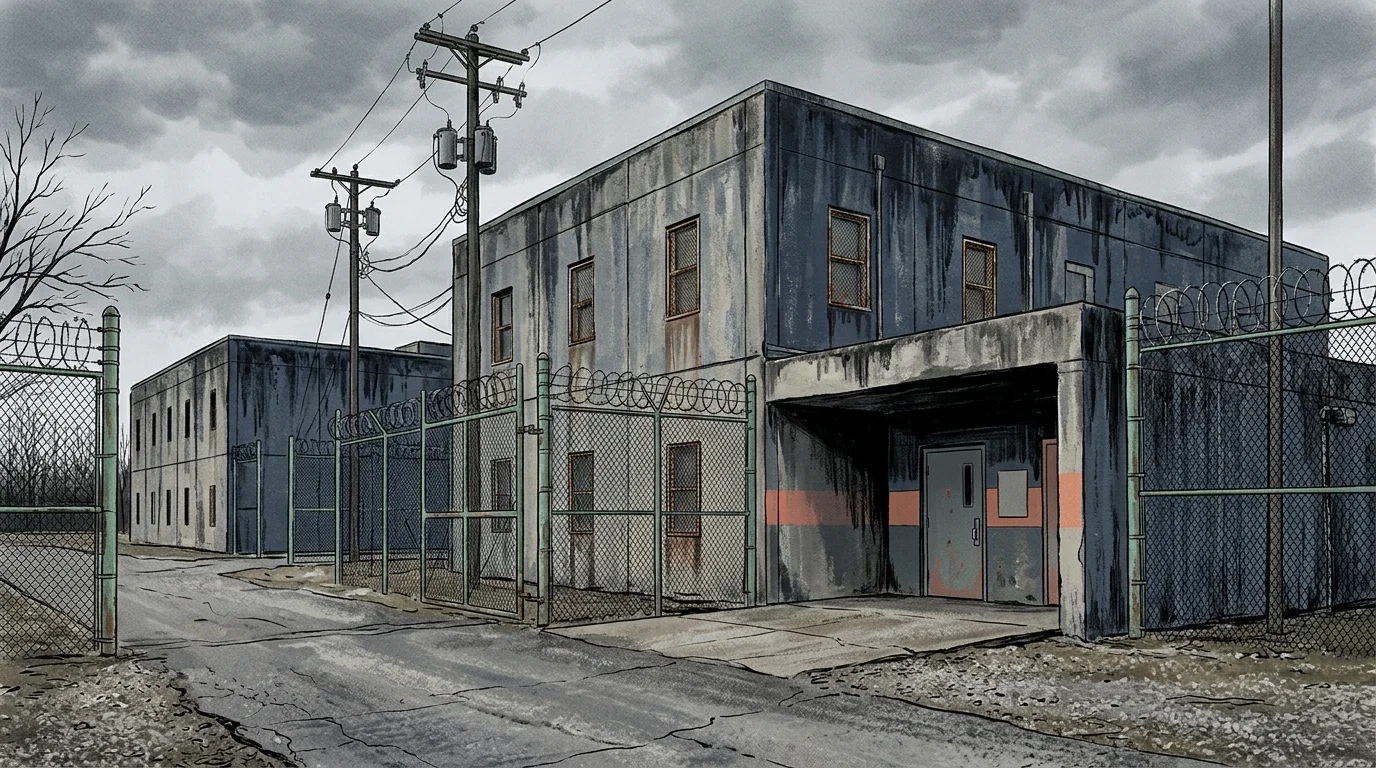
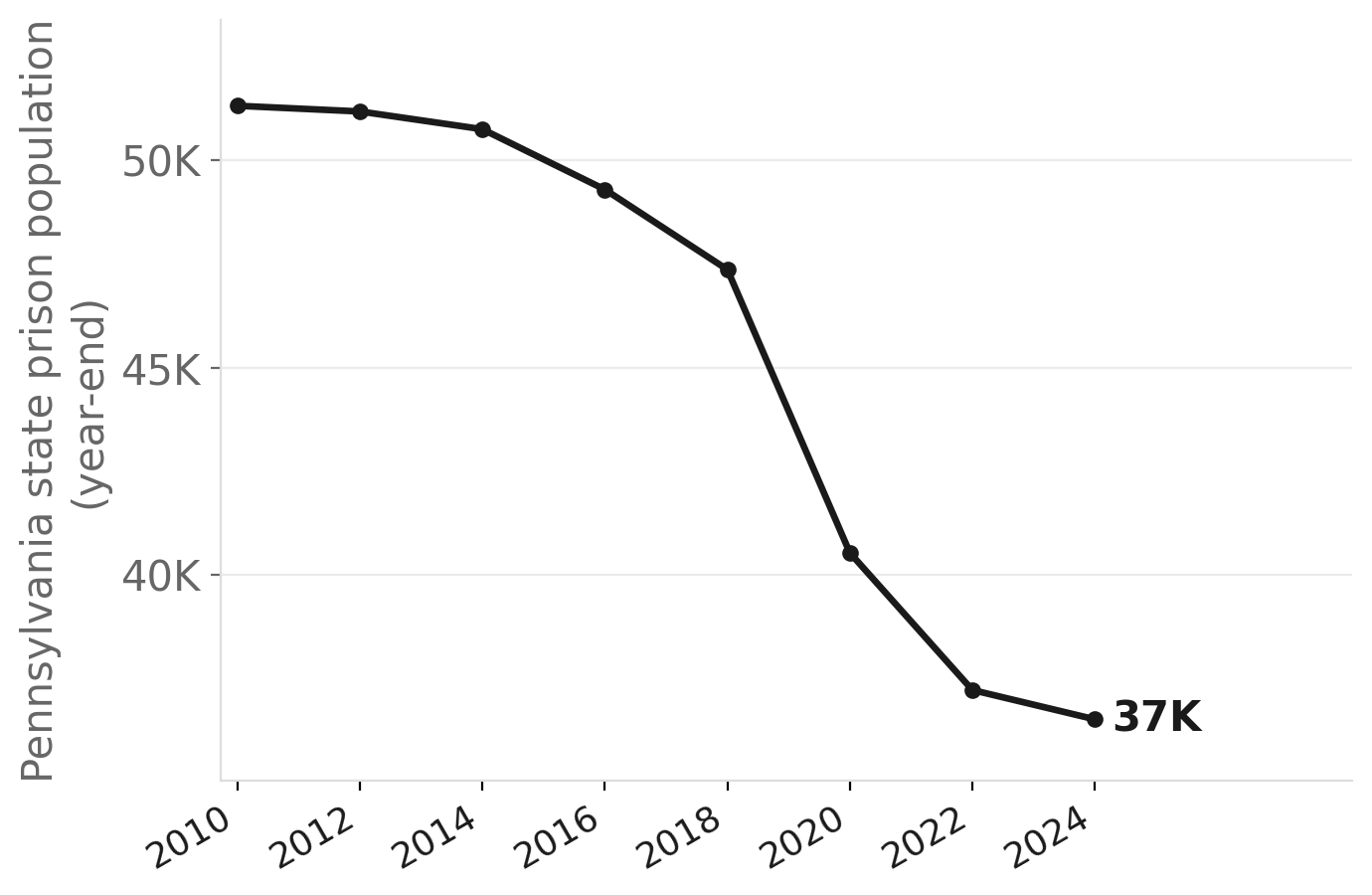
SCI Frackville sits in the heart of Pennsylvania's coal region, an economically distressed corner of the state where the prison itself is one of the largest employers. The facility houses medium-security men, and Pennsylvania's overall prison population has fallen from a peak of roughly 51,000 in 2012 to around 36,000 to 37,000 today, driven by sentencing reforms.
The department has not announced a start date for the program. That will depend on who is selected to lead it.