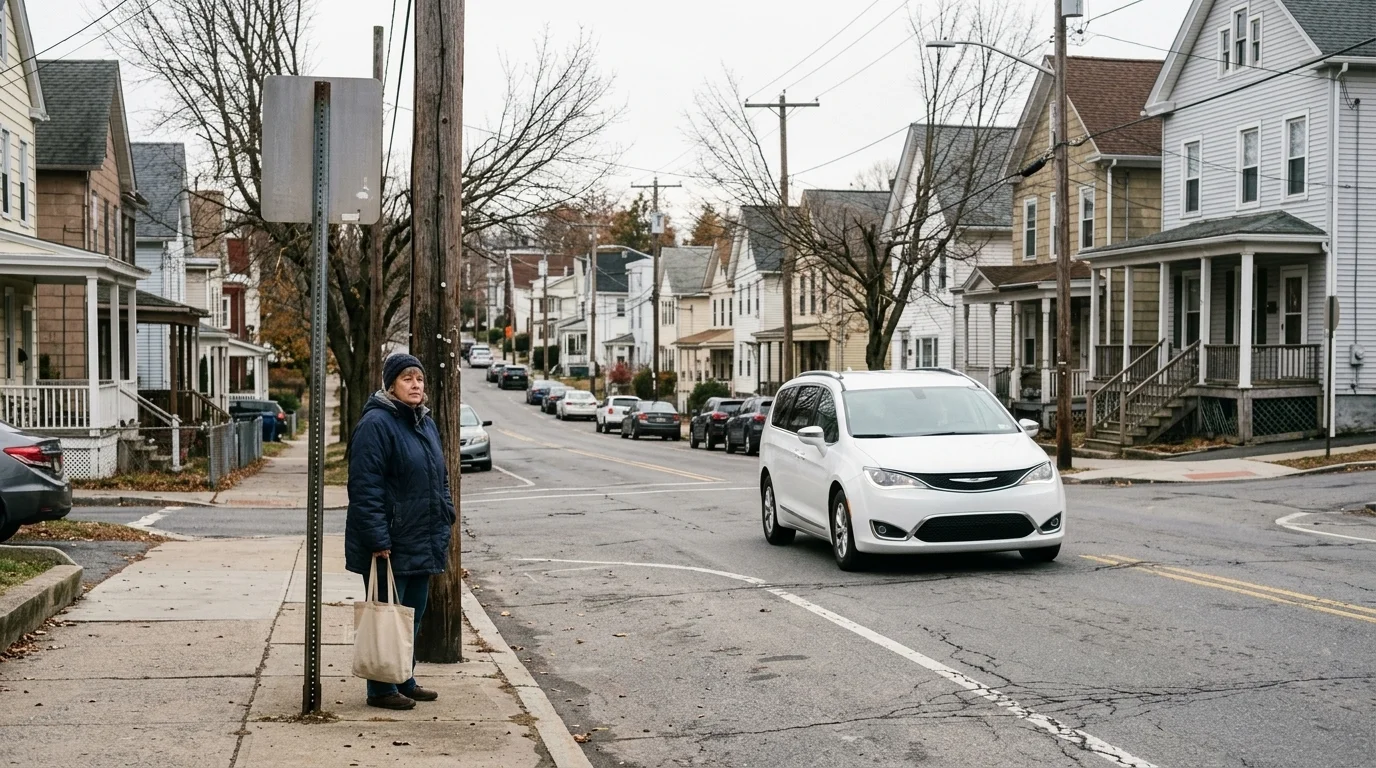
Peekskill, a small Hudson River city where hilly terrain and a spread-out street grid make walking to bus stops a real obstacle, is getting a new kind of transit: electric vans you summon with a smartphone, dynamically routed to pick you up where you are.
Westchester County is launching the pilot through a NYSERDA grant focused on clean mobility, seeking a vendor to deploy a fully electric, app-based, shared-ride microtransit system that would serve Peekskill residents on demand. The request for proposals is posted on the county's procurement portal.
Peekskill, with roughly 25,000 residents and a median household income well below Westchester's countywide median of about $105,000, qualifies as a Disadvantaged Community under New York's 2019 Climate Leadership and Community Protection Act. That designation unlocks priority NYSERDA funding tied to a requirement that clean transportation benefits flow to lower-income, higher-pollution communities, making Peekskill a natural target for the county's electrification push.
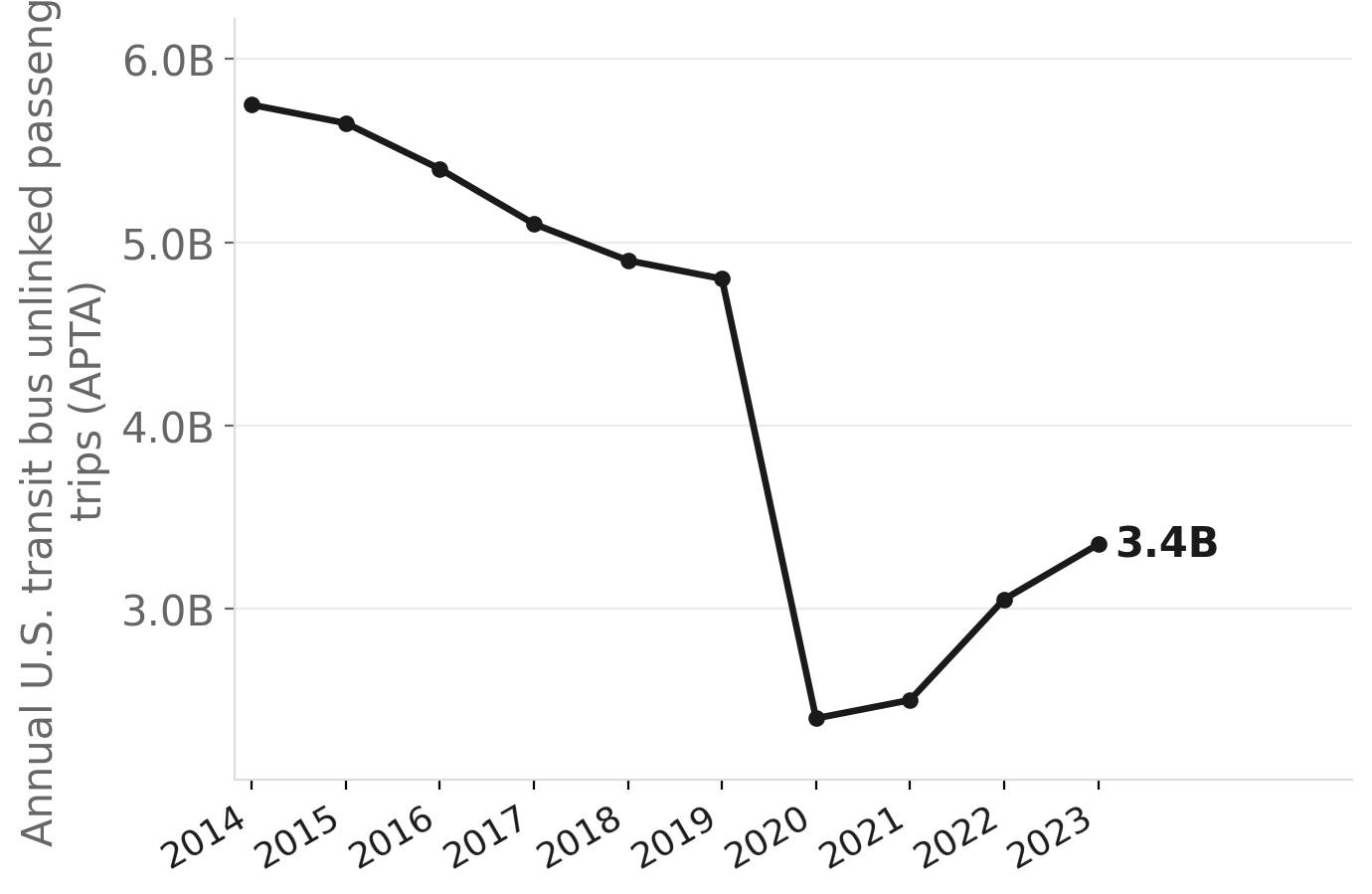
Source: NationGraph.
The city is a Metro-North terminus on the Hudson Line, but connections within Peekskill itself are limited. Fixed bus routes, which work best on dense corridors, have struggled to serve the city's topography and dispersed residential areas. Microtransit, shared vans routed in real time based on where riders actually request trips, is designed to handle exactly that kind of irregular geography.
Westchester has been down this road before. The county's Bee-Line system, the second-largest bus network in New York State, already launched a similar flexible-route pilot in the Ossining, Tarrytown and Sleepy Hollow corridor. The Peekskill program would be the next expansion, part of County Executive Ken Jenkins's continued push toward an all-electric bus fleet by 2035.
The model is not without critics. Microtransit pilots nationally have posted wildly uneven results: services in Kansas City and Arlington, Texas, built real ridership, while programs in Los Angeles and Sacramento drew scrutiny for per-rider subsidies sometimes reaching $20 to $40 a trip. Whether the economics work in Peekskill will depend heavily on how well the service is designed around actual travel patterns and how aggressively the vendor conducts community outreach, particularly in Spanish-speaking households.
Westchester is requiring whoever wins the contract to handle vehicles, technology, operations and community outreach as a single package, along with tracking performance metrics over the life of the pilot. How those metrics look, including ridership, cost per trip and emissions avoided, could influence how New York State directs future clean mobility spending across the Hudson Valley and beyond.