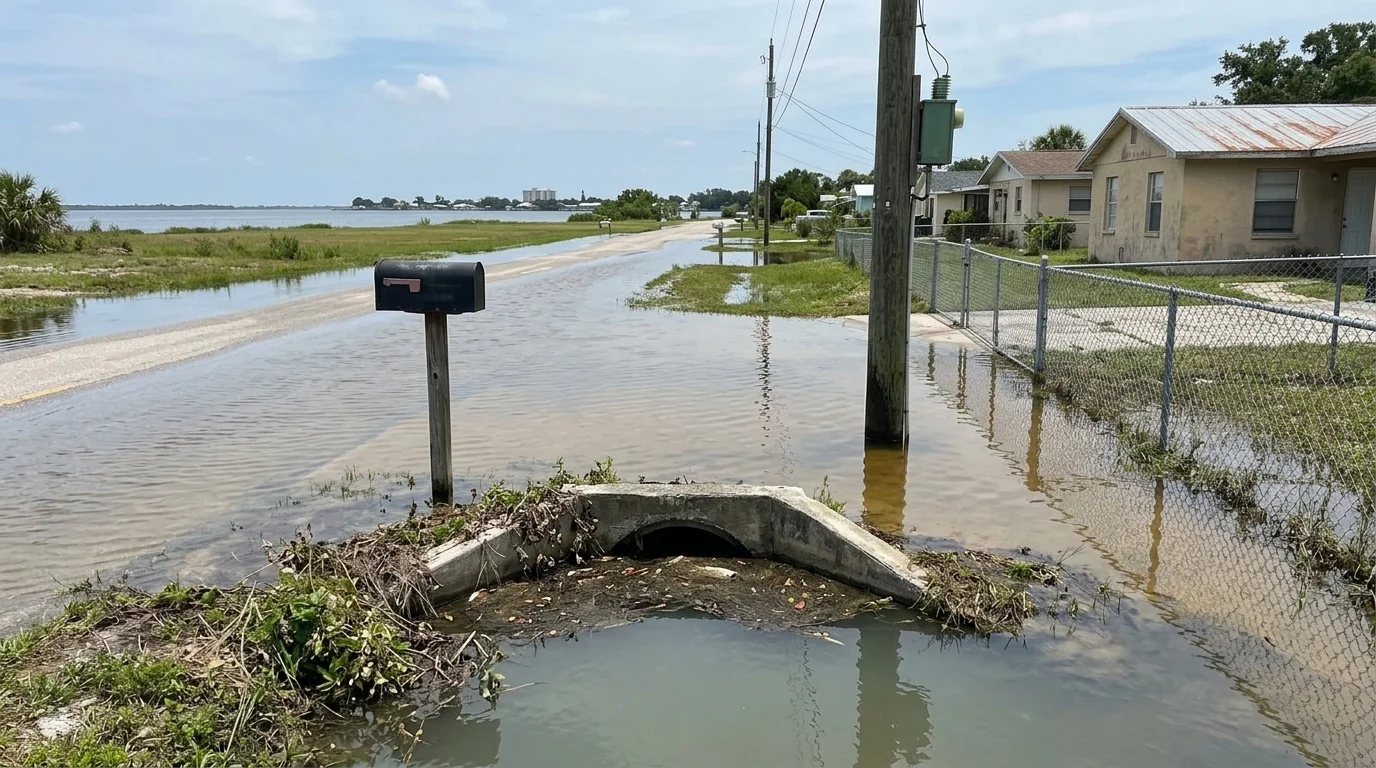
Oxford, Mississippi is building a network of stream sensors and automated flood alerts across six urban waterways, using federal disaster mitigation money to give residents something they've long lacked: warning before the water arrives.
The city is seeking vendors to install the system, which will combine rain gauges, stream-level monitors, flow-velocity sensors and cloud-based alerting capable of pushing automated notifications when water rises to dangerous levels. The project is listed on the city's bid portal and is funded jointly by FEMA and the Mississippi Emergency Management Agency through the federal Hazard Mitigation Grant Program.
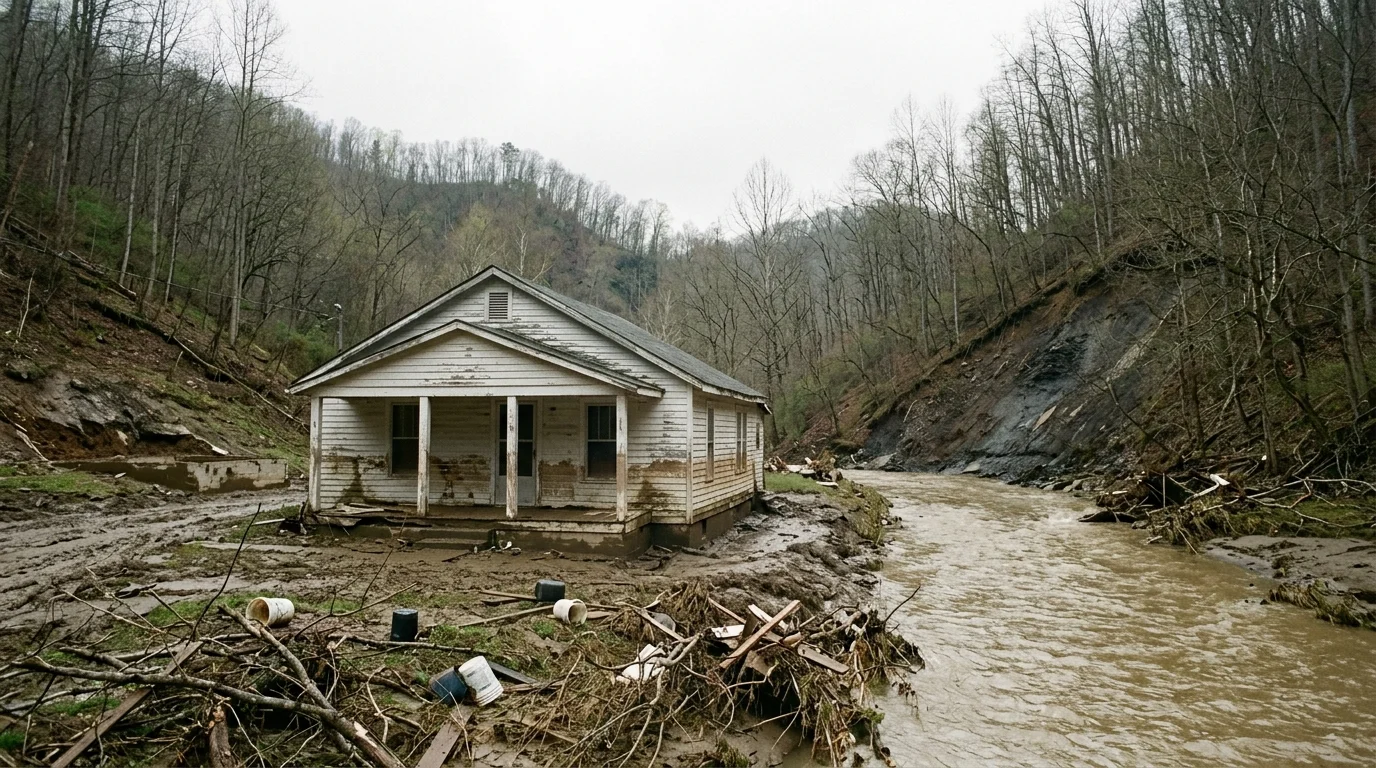
The funding traces back to a specific moment of disaster: a federal emergency declaration issued in April 2020 after Easter Sunday tornadoes and widespread flooding struck Mississippi. Under federal law, every presidentially declared disaster automatically unlocks hazard mitigation dollars that communities can spend not on rebuilding what was lost, but on reducing risk from the next event. This project is the 30th approved subaward under that 2020 Mississippi declaration.

Source: NationGraph.
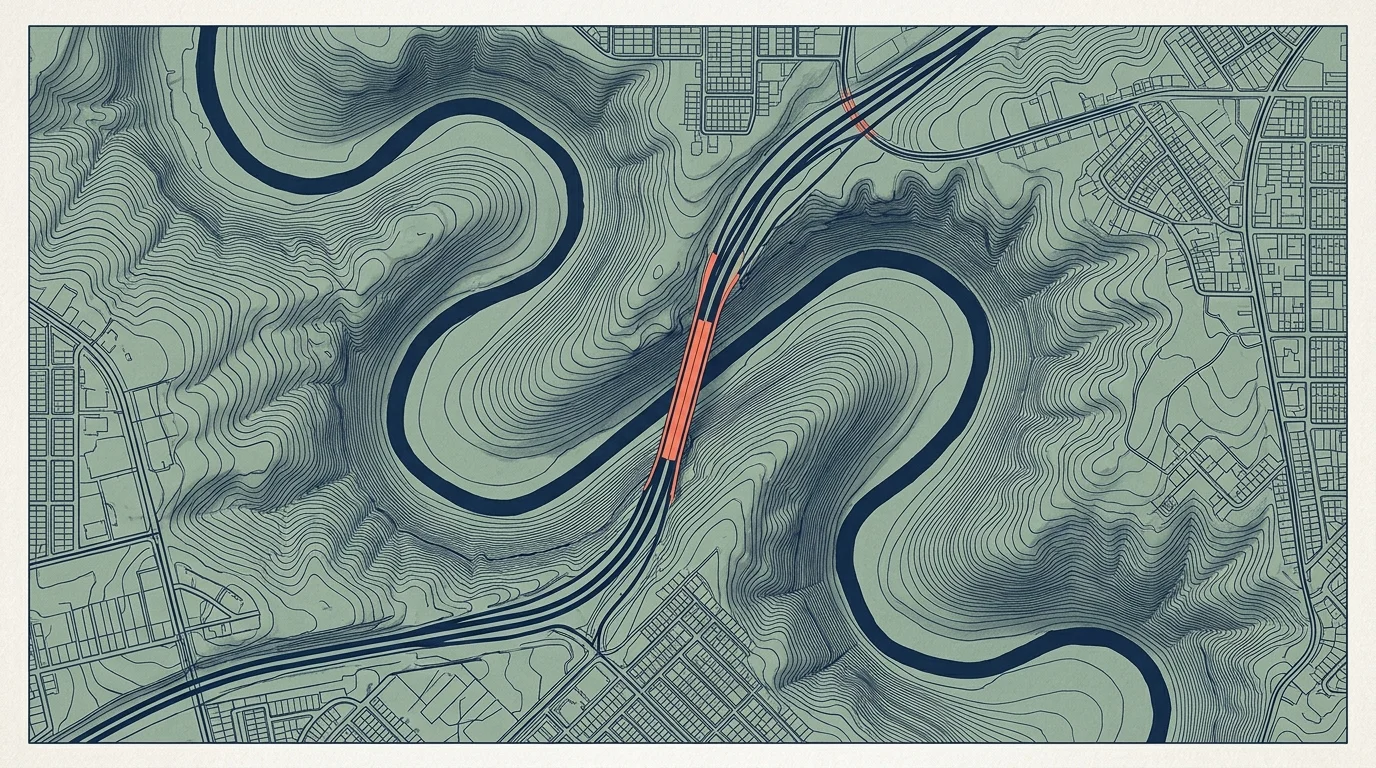
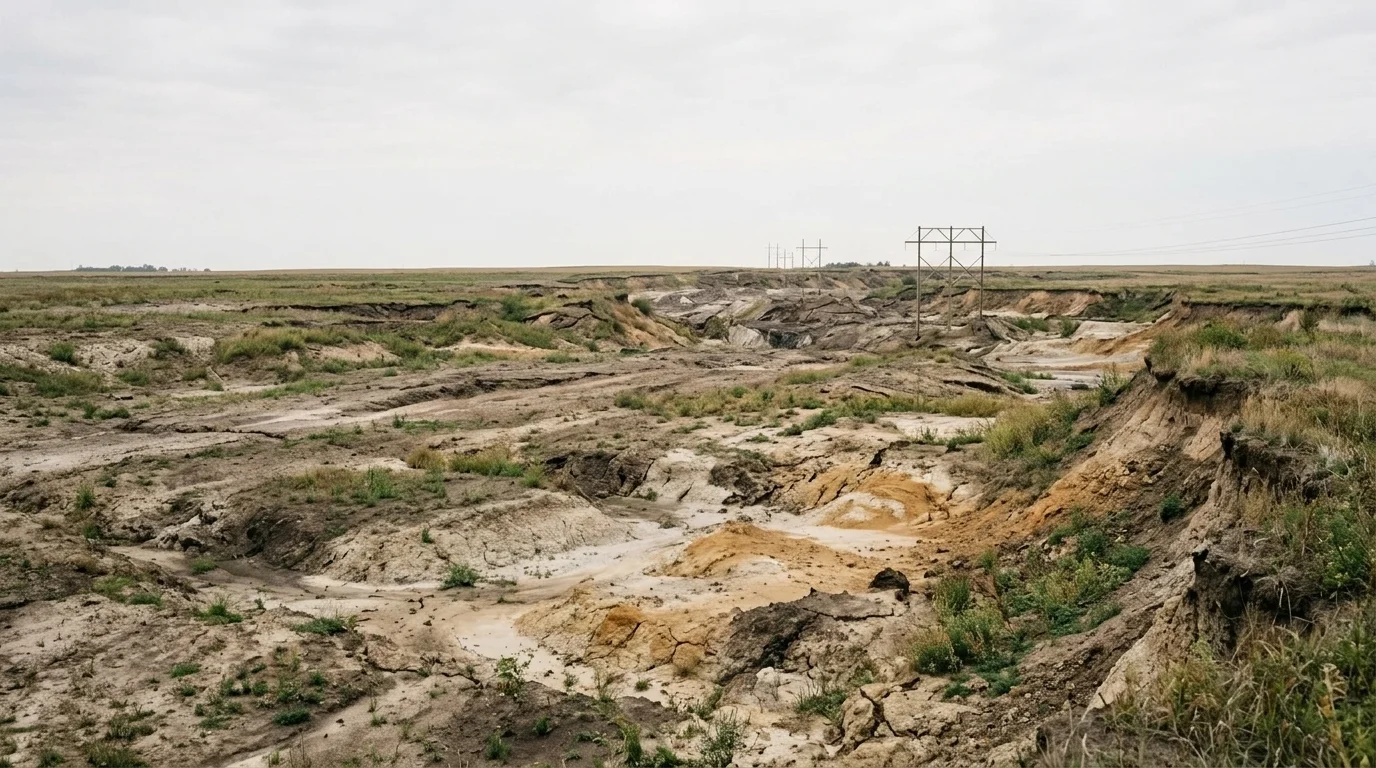
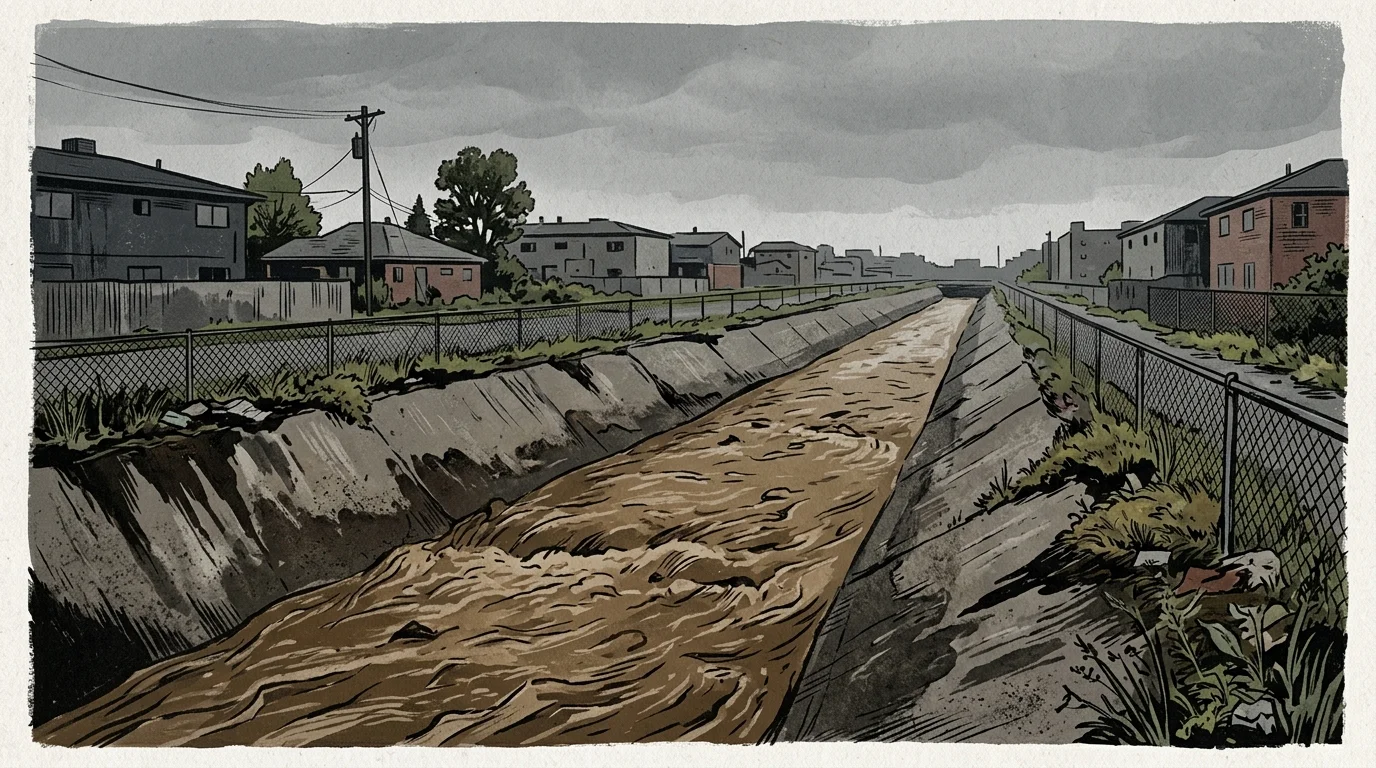
For Oxford, the need is geographic. The city sits in the hilly terrain of north-central Mississippi, where short, steep urban streams called branches drain quickly after heavy rain. Flash floods here don't build slowly; they can arrive in minutes. The city's permanent population of roughly 28,000 swells by some 24,000 University of Mississippi students during the school year, putting more people in harm's way. Decades of campus expansion, residential development and new retail have added impervious surfaces that push more runoff into the same streams this project will monitor. Federal rainfall data has also been revised upward in recent years, confirming that storms across the Mid-South are delivering more water than older flood models assumed.
Oxford's investment in a dedicated hydrologic engineer on city staff, the technical contact for this project, signals that local officials have treated flooding as a serious and ongoing civic problem. Early-warning sensor networks have become a preferred type of HMGP project nationally because they cost far less than structural fixes like levees or buyouts and can directly save lives by giving people time to move.
The six-year gap between the 2020 disaster declaration and this RFP is not unusual. Federal hazard mitigation grants are notoriously slow to move from disaster event to funded project, a timeline that has drawn scrutiny from disaster policy researchers even as the programs have expanded significantly under recent federal legislation.
With proposals due July 8, Oxford could have a contractor selected and equipment ordered before the end of summer.