Kenner, Louisiana is continuing a sustained push to remove lead paint hazards from its older homes, with the city posting its ninth round of contractor bids for its Lead Safe Hazard Reduction program.
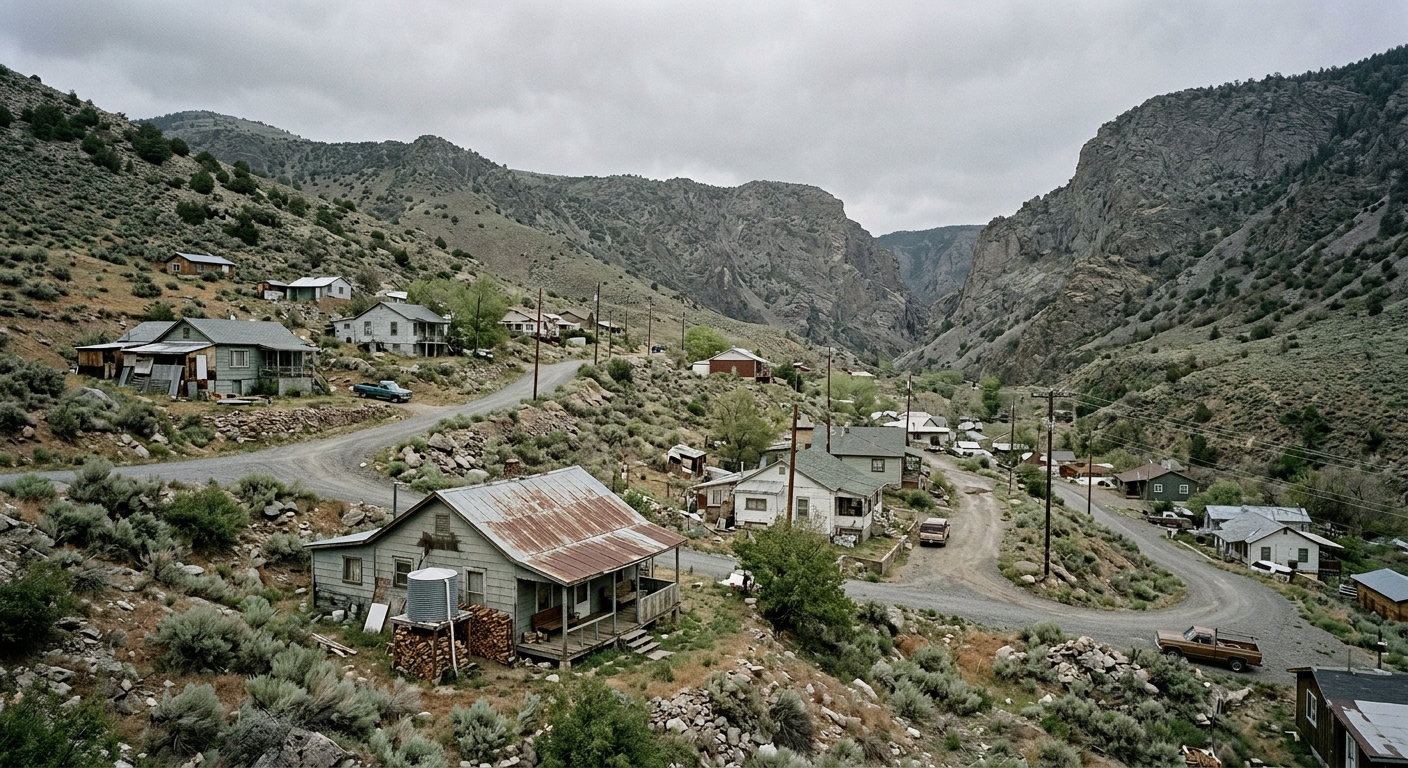
The effort reflects a quiet but persistent problem in this Jefferson Parish city of roughly 67,000 people. Kenner grew rapidly during the 1950s through 1970s postwar suburban boom, meaning the vast majority of its housing stock was built before the federal government banned lead-based paint in 1978. Louisiana's hot, humid climate accelerates paint deterioration, raising the likelihood that lead paint in those older homes is breaking down into the dust and chips that are most dangerous to children.
Lead exposure in early childhood causes irreversible neurological damage, including reduced IQ and behavioral problems. There is no safe level of exposure, and young children are most at risk because they absorb lead more readily than adults and are more likely to ingest contaminated dust through normal hand-to-mouth behavior.
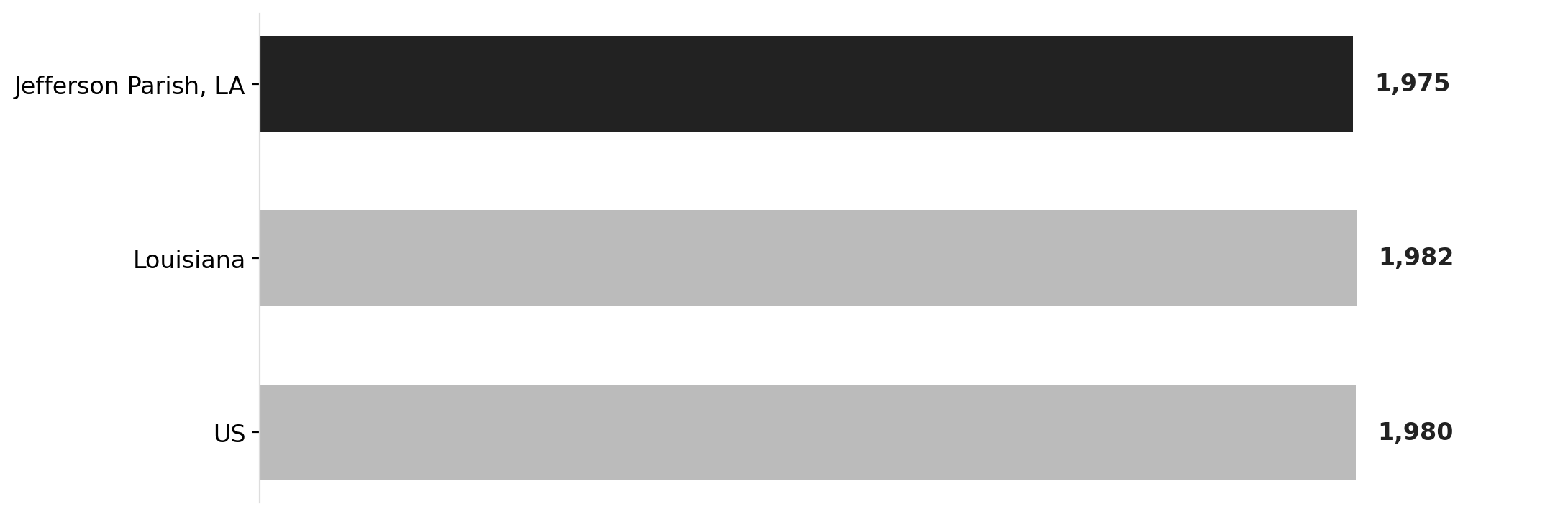
Source: U.S. Census Bureau, American Community Survey.
The city's program, funded through HUD's lead hazard reduction grant program, targets low-income households, the population least able to pay for remediation on their own and most likely to be living in deteriorating older housing. Jefferson Parish has historically had fewer housing rehabilitation resources than neighboring Orleans Parish, meaning hazards in Kenner may have gone unaddressed for longer. Louisiana also only expanded Medicaid in 2016, leaving years during which many low-income children lacked consistent access to the blood lead screenings that would have flagged exposure earlier.
The fact that this is Kenner's ninth procurement round suggests the city has been working through its housing stock methodically, batch by batch. But the scale of the challenge is significant: nationwide, an estimated 29 million homes still contain lead-based paint hazards, and federal funding addresses only a fraction of them each year, even as HUD's annual lead hazard reduction budget has grown from roughly $110 million a decade ago to over $400 million in recent years.
The EPA also finalized stricter lead dust hazard standards in 2024, lowering the threshold for what counts as a hazard on floors and window sills. That change effectively expands the number of homes that qualify for remediation, adding pressure on programs like Kenner's to move faster.
The city has not released details on how many homes are targeted in this latest round or the total dollar value of the work. Specific figures from the full bid packet were not immediately available. What remains an open question is how many homes in Kenner still need remediation and whether federal funding will continue at levels sufficient to reach them.