Otsego, Minnesota is moving ahead with a third municipal water treatment plant as the fast-growing Wright County city struggles to keep its water system in step with one of the state's most dramatic population booms.
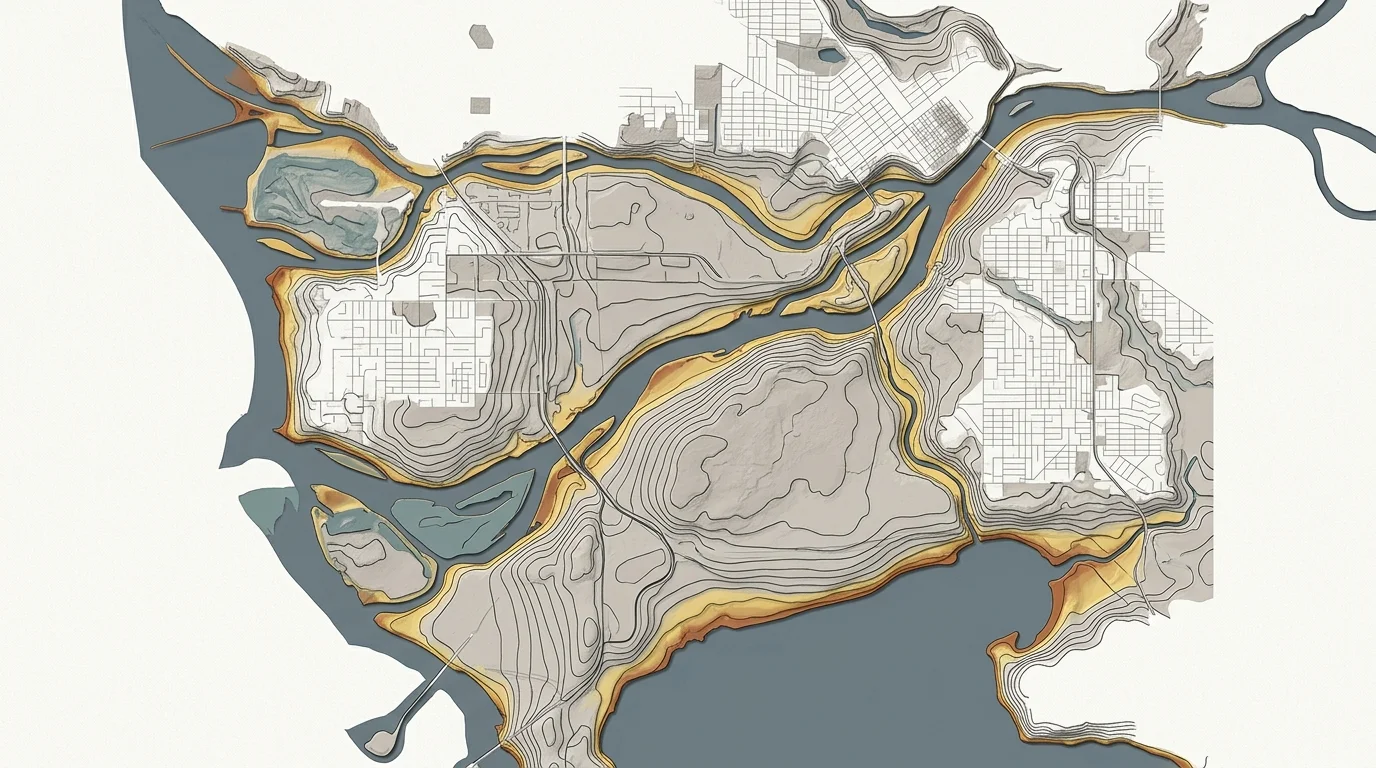
Situated about 35 miles northwest of Minneapolis along the I-94 corridor, Otsego has grown from roughly 6,800 residents in 2000 to more than 22,000 today, a tripling driven by families seeking affordable housing and new schools on the outer edge of the Twin Cities metro. The city incorporated only in 2003 and has been building out roads, sewers, parks, and water infrastructure ever since to match the pace of subdivision development.
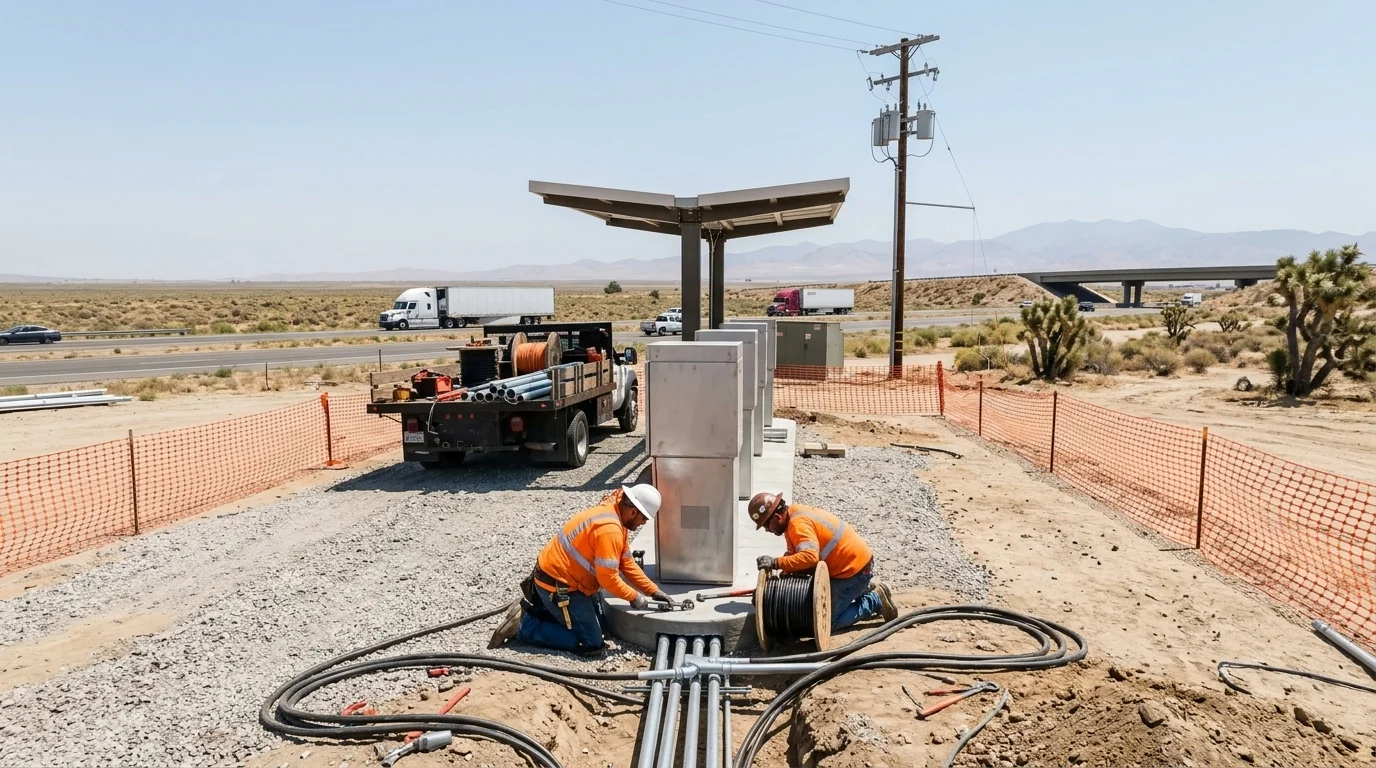
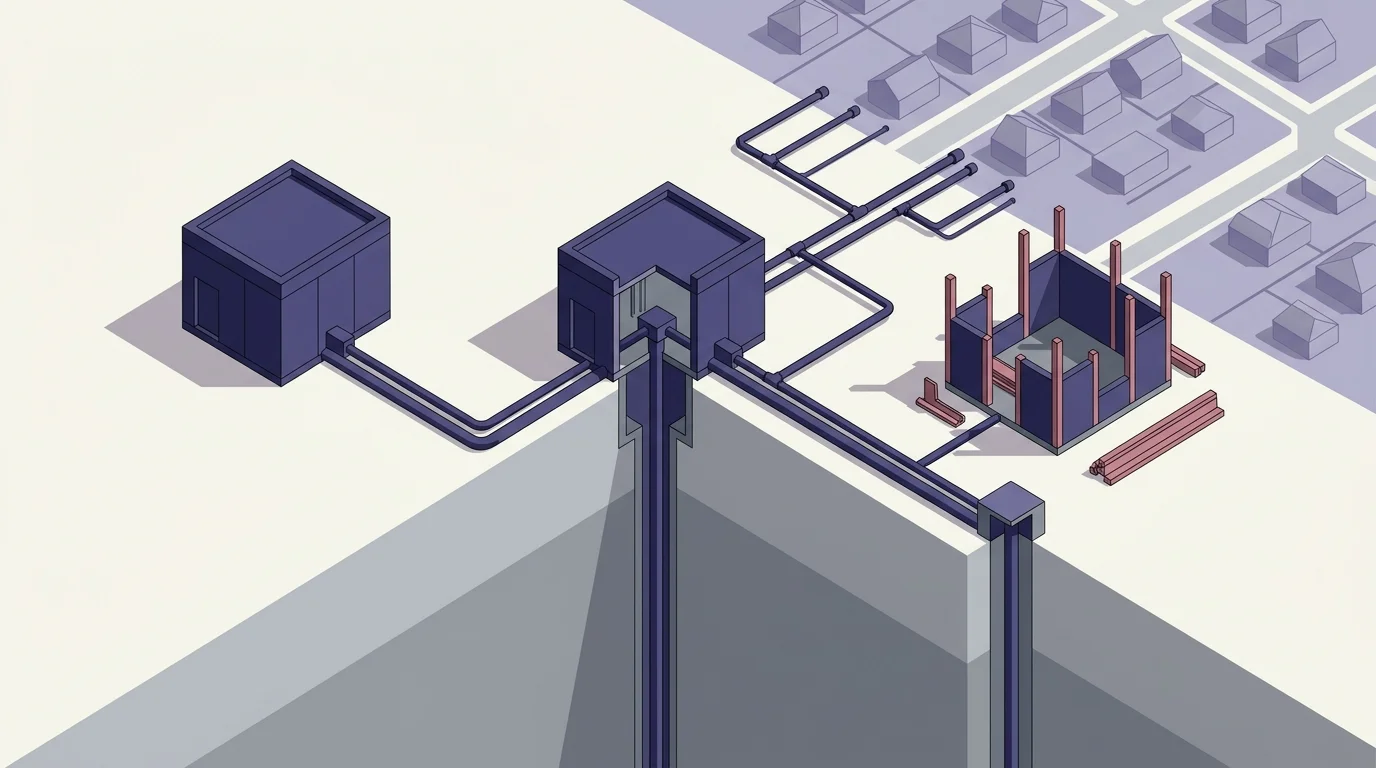
The new facility, called Wellhouse No. 3, will draw from a new municipal well and treat the water on-site before it enters the distribution system. That kind of wellhead treatment is standard practice for Minnesota communities, where groundwater commonly contains iron, manganese, and other naturally occurring contaminants that must be removed before the water reaches household taps. Otsego relies entirely on groundwater for its municipal supply.
The project follows a pattern familiar to high-growth exurban cities: each wave of new housing requires another increment of well capacity, storage, and distribution mains. Otsego already operates two wellhouse facilities, and this third represents the next step in a capital program that community planning documents have flagged for years as essential to continued growth.
Funding for projects like this often runs through Minnesota's Public Facilities Authority, which administers the state's Drinking Water Revolving Fund and offers low-interest loans and sometimes principal forgiveness to municipalities. It is not yet clear whether Otsego is using state revolving fund financing for this project.
With bids opening this spring, the city is aiming to start construction this summer and make use of Minnesota's limited building season. The broader question hanging over Otsego and similar fast-growing communities is a familiar one: as development drives the need for new infrastructure, the costs land on a mix of property taxpayers and the developers and buyers of new homes through connection charges. How that balance holds as growth continues will shape the city's finances for years to come.