Oklahoma City is moving into the next phase of a major parks overhaul aimed at communities that have gone decades without meaningful investment, pressing ahead on a program that must deliver results before its funding clock runs out in 2028.
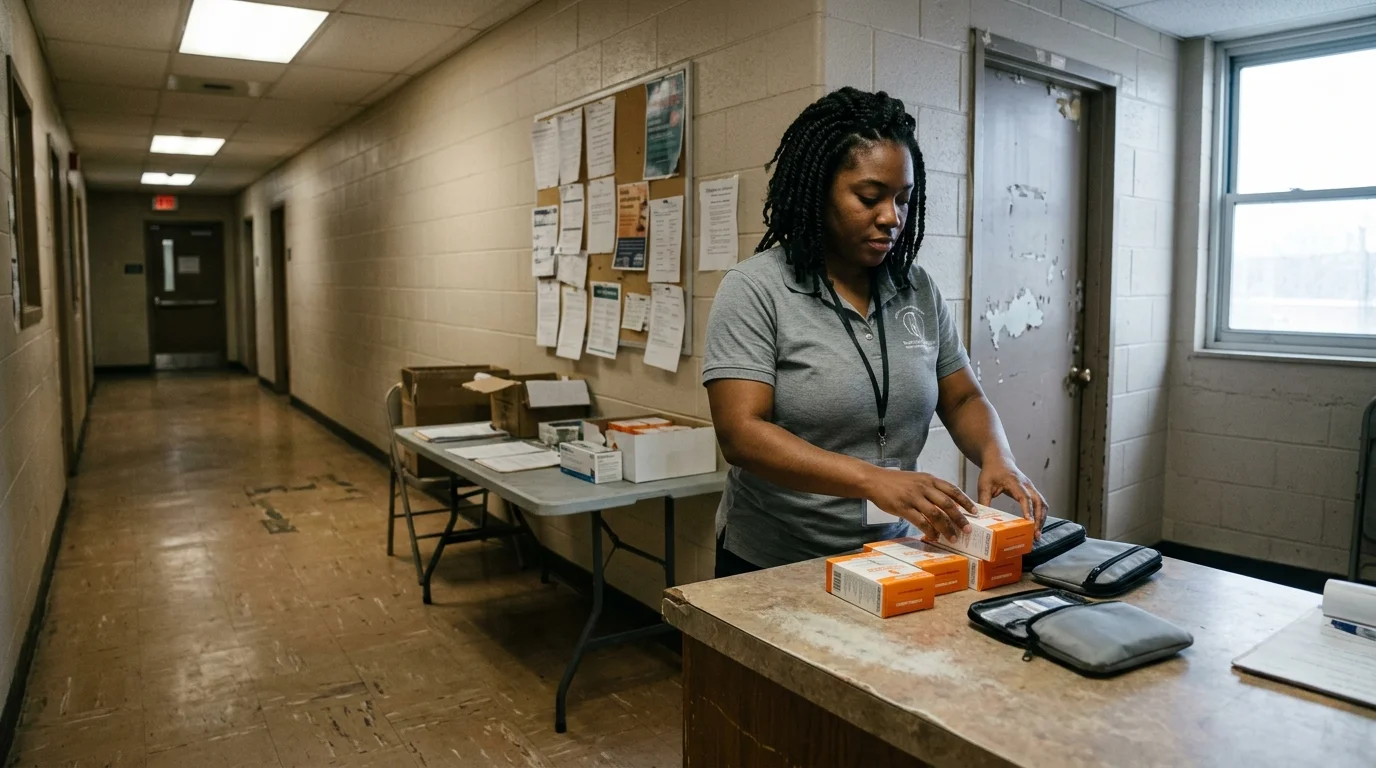
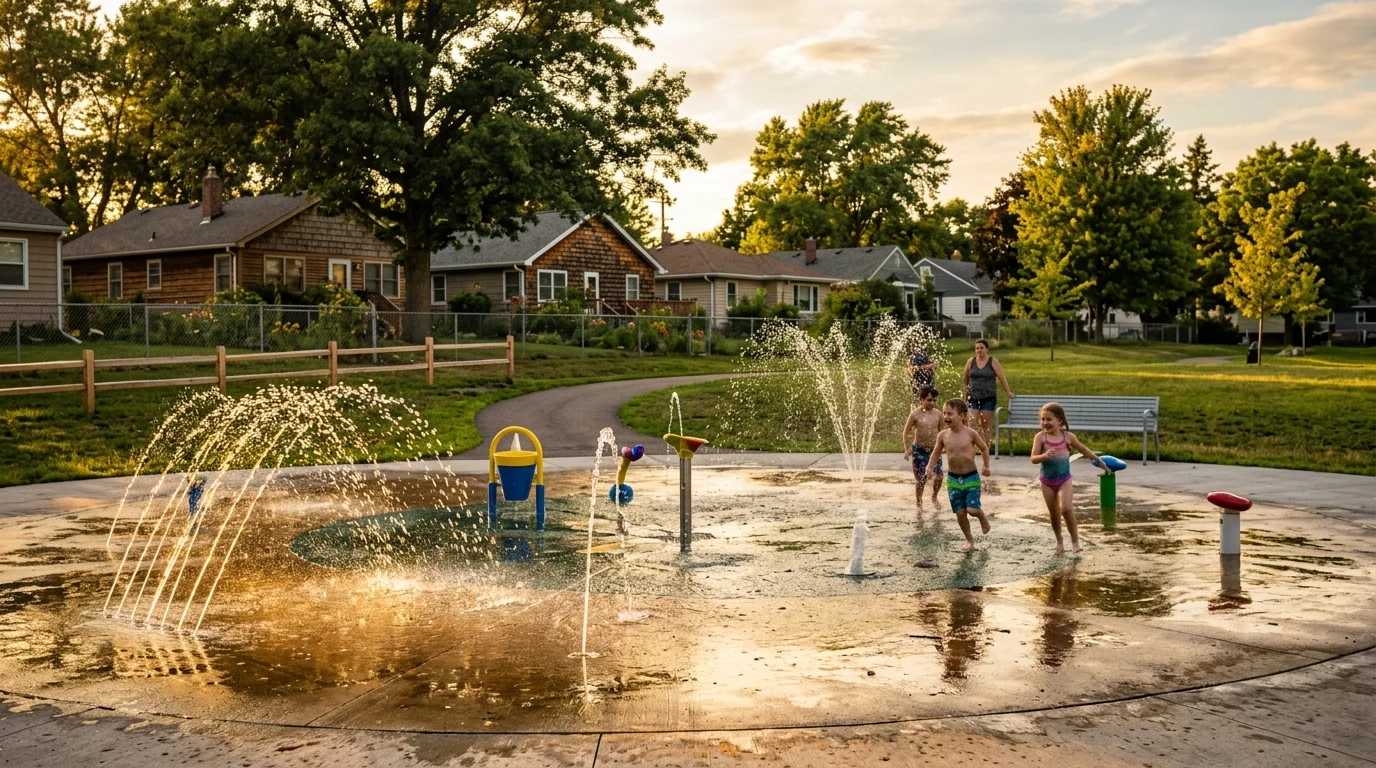
The city is now seeking contractors for Phase 1B of its Neighborhood and Community Parks program, part of the $1.1 billion MAPS 4 initiative that 71% of voters approved in December 2019. The parks component alone carries a roughly $140 million budget and is one of the largest equity-focused pieces in the package. Phase 1A broke ground in 2022 and 2023, bringing playground replacements, splash pads, trails and community center upgrades to sites across the city. Phase 1B continues that work.
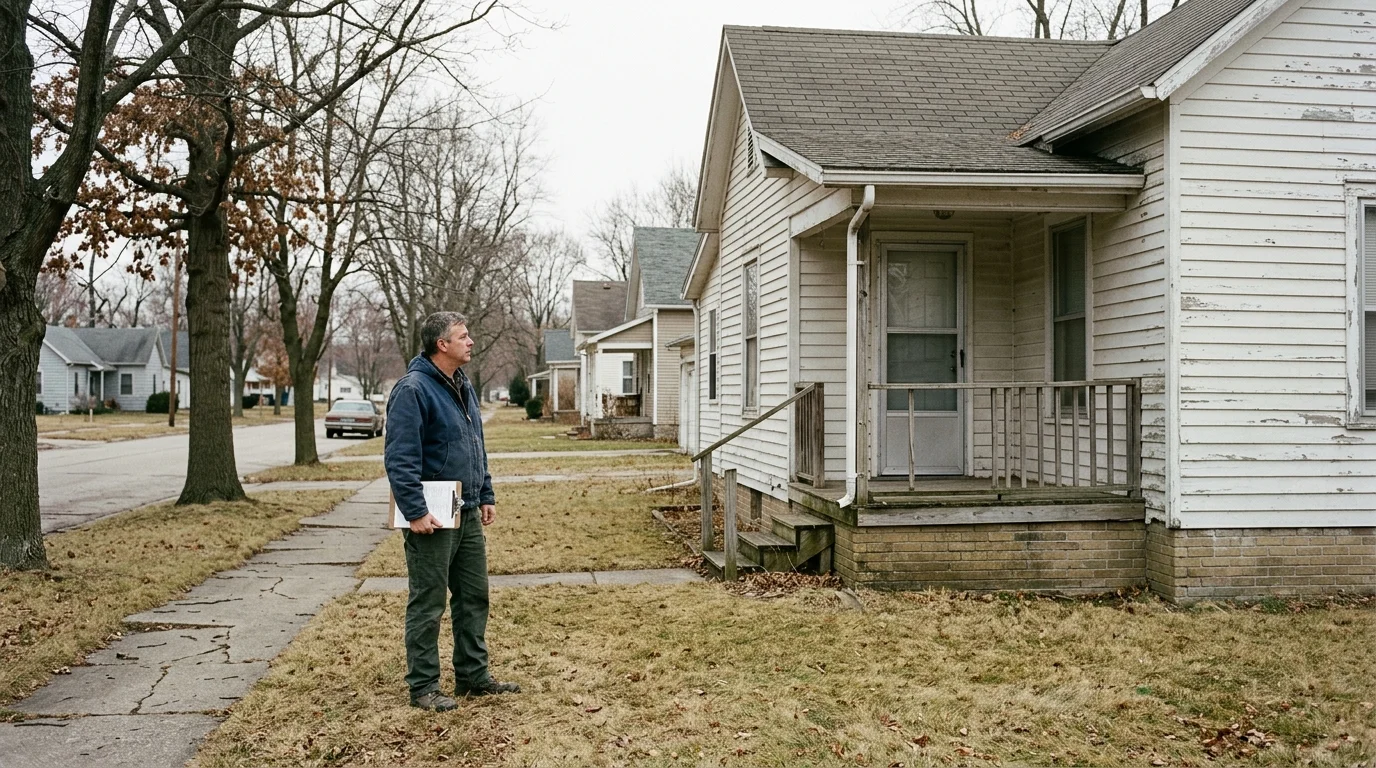
The neighborhoods targeted are not subtle choices. Oklahoma City sprawls across roughly 620 square miles, and communities on the predominantly Black northeast side and predominantly Latino south side have historically seen the least park capital spending. MAPS 4 was designed, in part, to correct that. Unlike earlier rounds of the program that poured money into downtown anchors like Bricktown and Scissortail Park, this iteration was explicitly reoriented toward neighborhoods, human services and equity.
The funding model is the same one OKC has used since 1993: a temporary penny sales tax that collects first, then builds, with no debt. The MAPS 4 tax started running in April 2020 and expires in March 2028, which means the city is in its peak construction window and needs to keep projects moving to meet the schedule voters were promised.
That timeline pressure runs up against a hard financial reality. Post-pandemic construction costs surged 30 to 40 percent, squeezing what each park site can actually receive. The MAPS 4 Citizens Advisory Board and project subcommittees have had to make difficult calls about scope, and there has been public friction over which neighborhoods get upgraded first and whether the $140 million pot is enough to deliver what was promised.
With Phase 1B now in procurement, the coming months will show how much the program can build before its funding window closes.