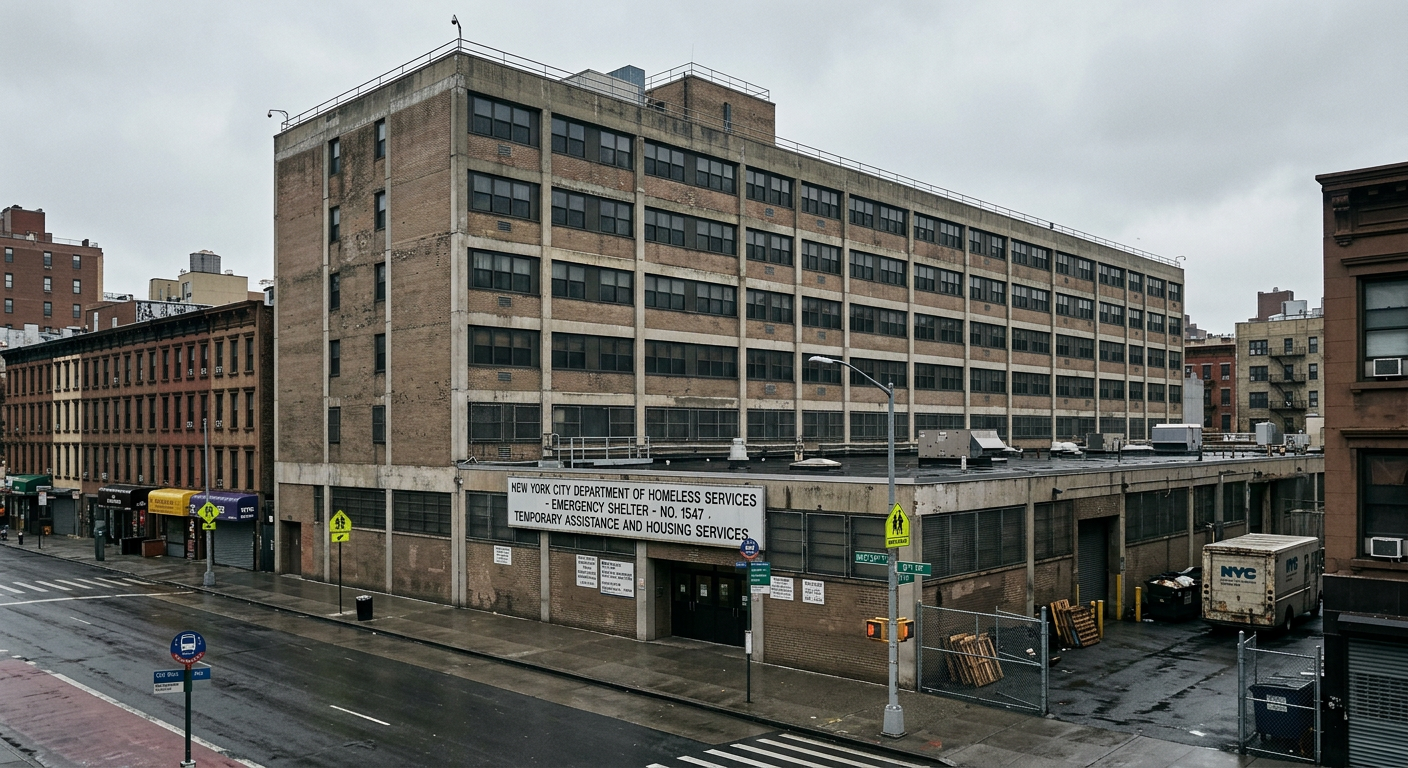
New York City is looking for an operator to run emergency shelter for homeless families with children, the latest in a string of procurements as the city struggles to house a near-record 18,000 families who have nowhere else to go.
The request for proposals comes as NYC's shelter system enters its second decade of crisis. Family homelessness has doubled since 2012, fueled by rents that have climbed 75 percent faster than incomes and a severe shortage of affordable housing. By law, the city cannot turn families away. A 1981 court ruling guarantees shelter to anyone who asks for it, a right that exists almost nowhere else in America.
That legal mandate collides with brutal fiscal reality. The city now spends more than $2 billion a year on shelters, competing with schools, police, and transit for scarce budget dollars. Mayor Eric Adams faces pressure from progressives demanding more permanent housing investment and from fiscal hawks demanding cost cuts.
The migrant crisis that began in 2022 compounded the strain. Texas and other states bused tens of thousands of asylum-seeking families to New York, overwhelming a system already operating at capacity. While this procurement focuses on families with children rather than single adults, every part of the shelter network now competes for facilities, staff, and funding.
Conditions remain a flashpoint. A city audit last year found officials failed to inspect 30 percent of shelter sites as required. Legal Aid and homeless advocates sued in 2023 after families waited days in intake centers before getting beds. Recent reporting has highlighted working families in shelters, people with full-time jobs who simply cannot afford $3,500 monthly rent.
The contractor search reflects the city's ongoing attempt to shift away from commercial hotels and cluster apartments, criticized for poor conditions and high costs, toward purpose-built or nonprofit-run facilities. But no amount of procurement can solve the underlying problem: the city is legally required to shelter families but cannot build affordable housing fast enough to get them out.
Proposals are due in the coming weeks. The contract details, including facility size and funding level, were not disclosed in the public posting.