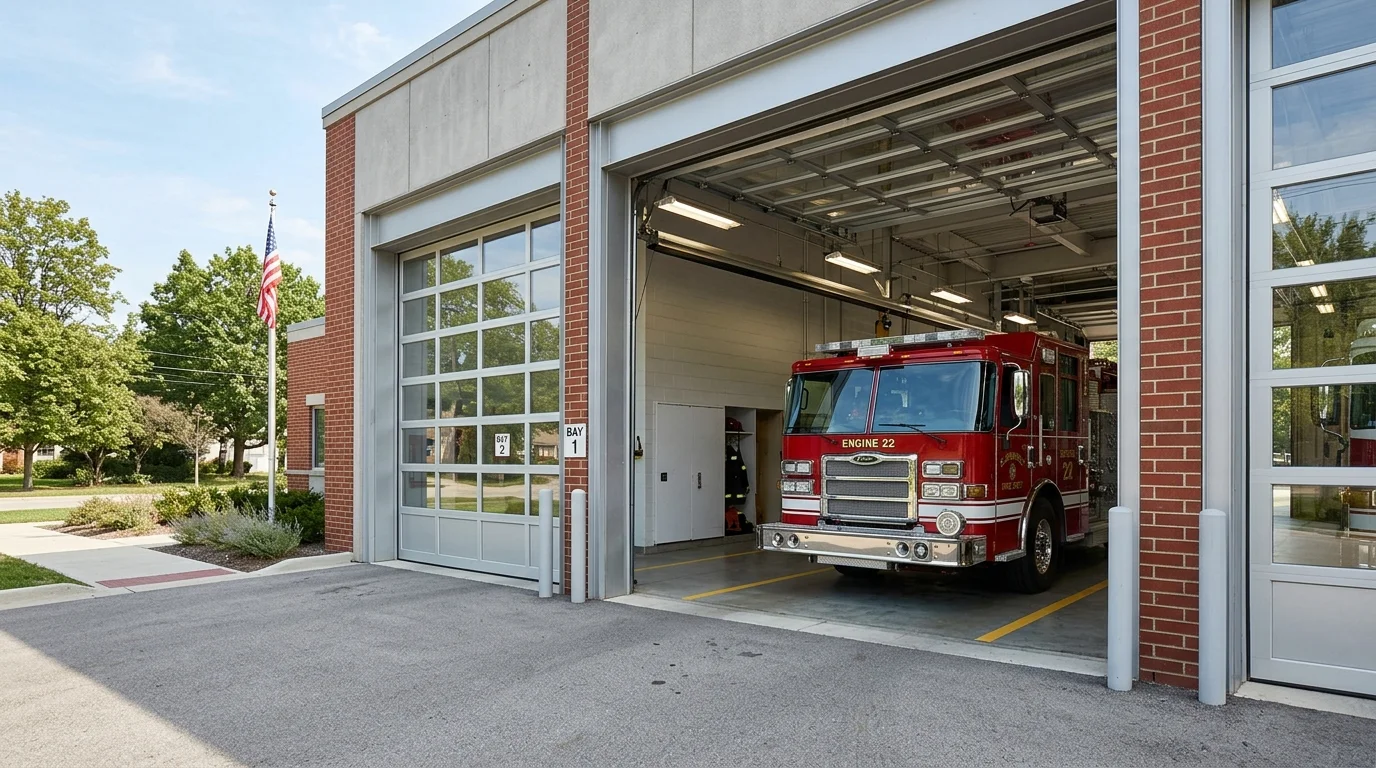
Novi, Mich., is moving to replace aging fire infrastructure that has struggled to keep pace with a city that has grown beyond recognition over the past four decades, hiring contractors to build two new fire stations from the ground up.
The Oakland County suburb was home to roughly 32,000 residents in 1990. Today it has more than 66,000, plus a daytime population that swells considerably higher from Twelve Oaks Mall, the Suburban Collection Showplace, and a dense corridor of corporate campuses housing automotive suppliers and one of the largest Japanese expatriate business communities in the Midwest. The fire stations serving that community, though, were built for a much smaller, less dense town.
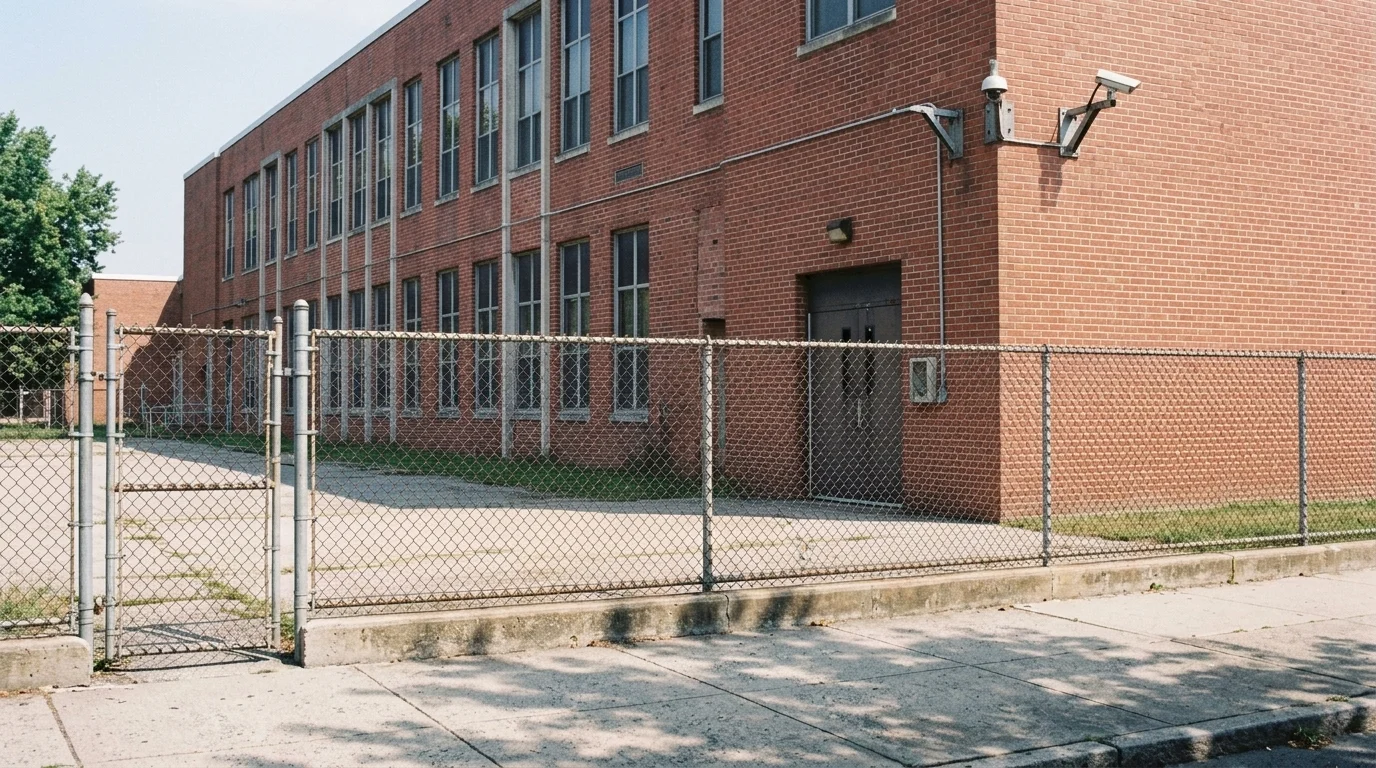
The problem goes beyond headcount. Most American suburban fire stations date to the 1960s through the 1980s, and Novi's are hitting those same limits: bays too short and narrow for modern engines, no proper decontamination areas for firefighters returning from structure fires (a cancer-prevention standard that has become common practice nationally since roughly 2010), and layouts that predate the shift in what fire departments actually do. Across the country, roughly 70 to 80 percent of fire department calls are now medical emergencies, not fires, a change that demands stations positioned and designed for faster EMS response. National fire safety standards call for a four-minute travel time to medical calls.
Novi's fire department covers about 31 square miles, including stretches of I-96 and I-275 where highway crash response adds another layer of demand. City planners flagged station replacement as a priority in capital improvement planning, and the new construction is the execution of that longer-term commitment.
The city has posted the construction solicitation through the Michigan Inter-governmental Trade Network. The project covers full site work and vertical construction for both stations. Specific locations, square footage and a completion timeline were not publicly detailed in the solicitation. Novi carries a AAA bond rating, giving it significant capacity to finance the project through capital reserves or bonding, though the full funding structure has not been disclosed.
Novi is not alone in this. Neighboring communities including Northville, South Lyon and Wixom have undertaken similar station replacements in recent years, and Dearborn Heights recently began its first new fire station in decades, reflecting a broader wave of deferred public safety capital investment catching up with Michigan's suburbs. Contractor selection will determine when ground actually breaks.