The Arctic is thawing beneath Noatak's runway, and Alaska is spending up to $90 million to move it before it's too late.
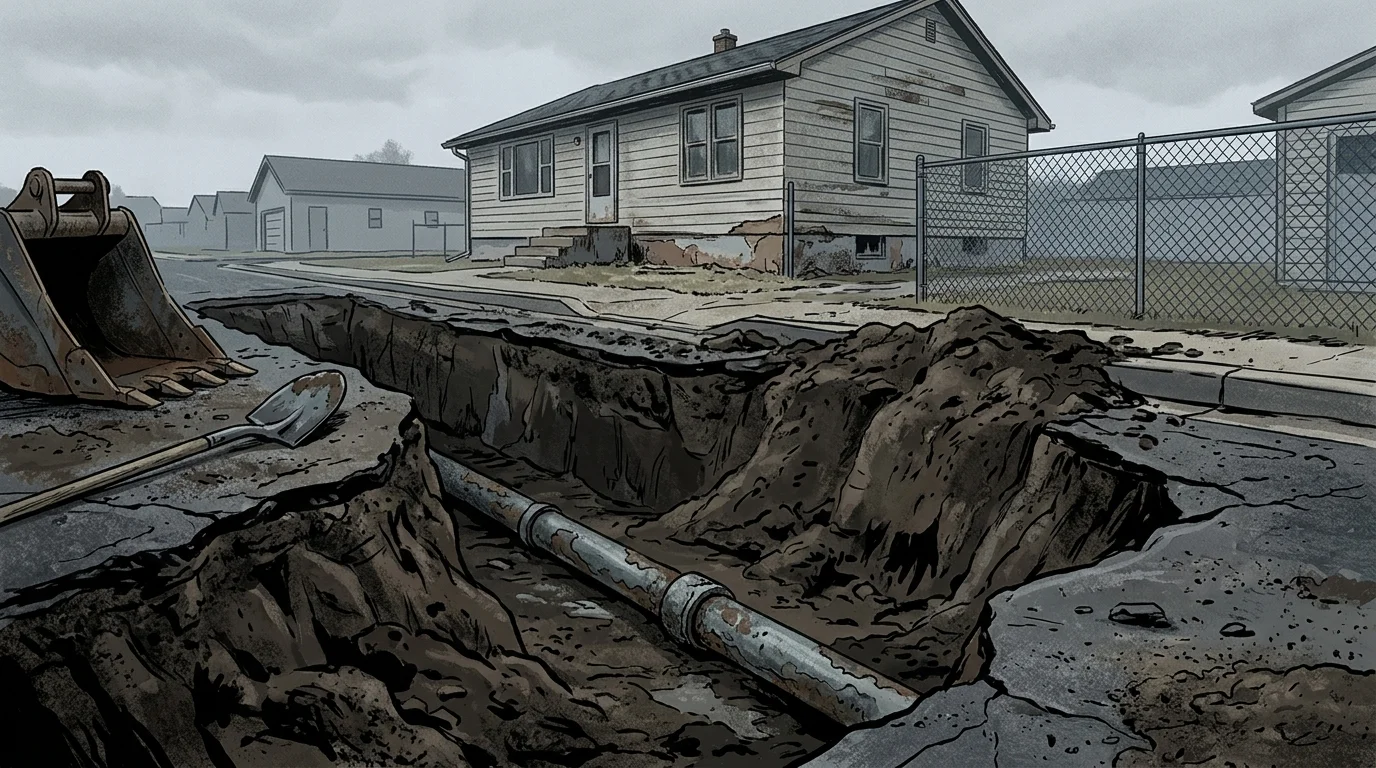
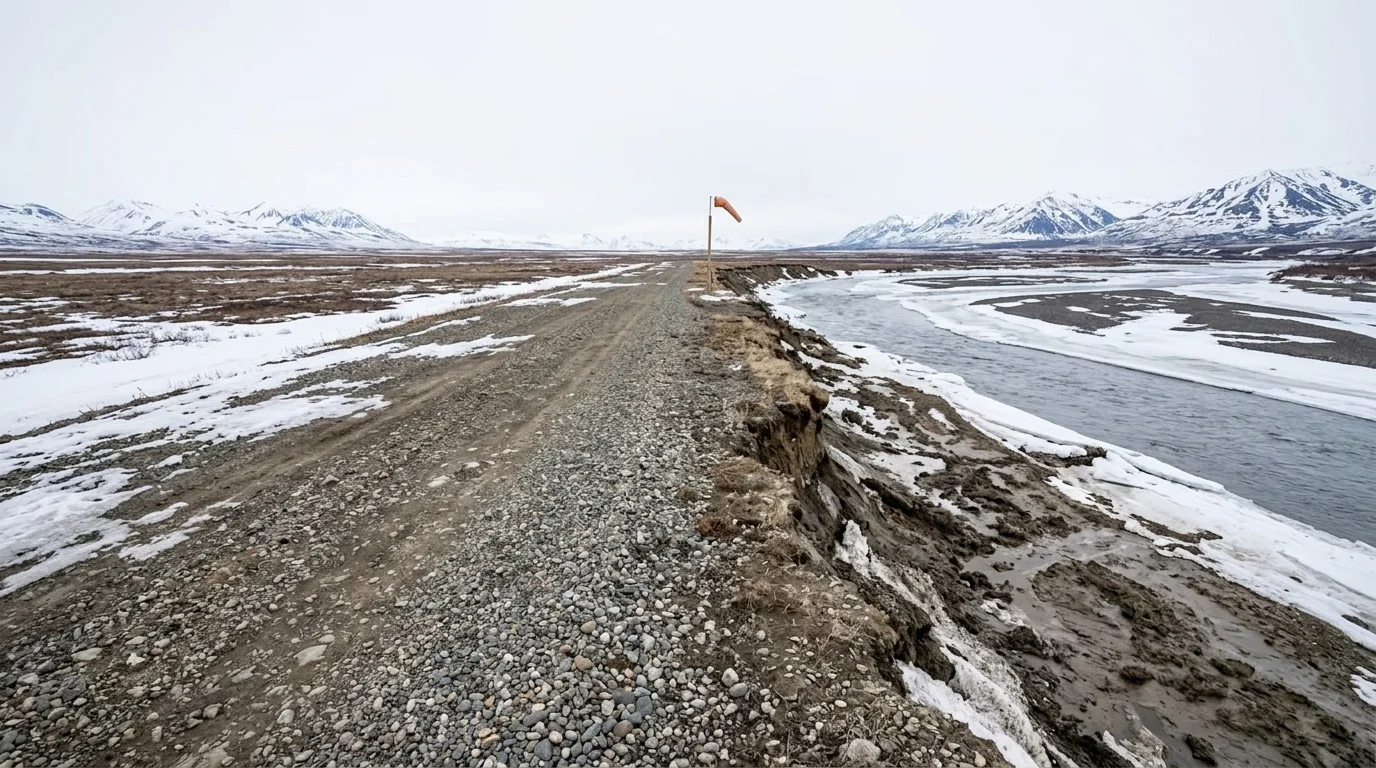
Noatak, an Iñupiat village of roughly 500 people located about 55 miles north of Kotzebue above the Arctic Circle, has no roads connecting it to the outside world. Its 4,000-foot gravel airstrip is the community's only year-round link to medical evacuations, groceries, heating fuel and emergency services. That runway sits alongside the Noatak River, where warming temperatures and shifting ice have accelerated erosion and flooding, undermining the ground beneath critical infrastructure.
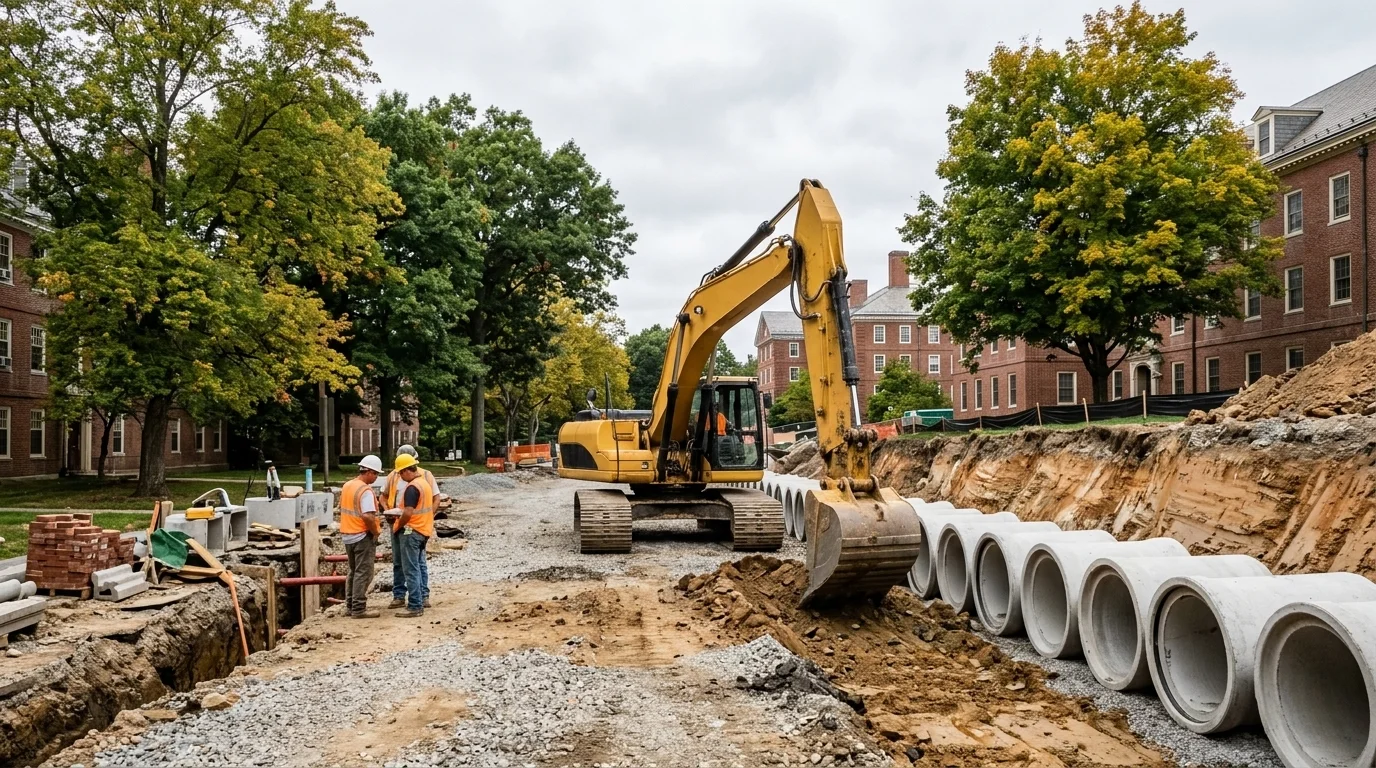
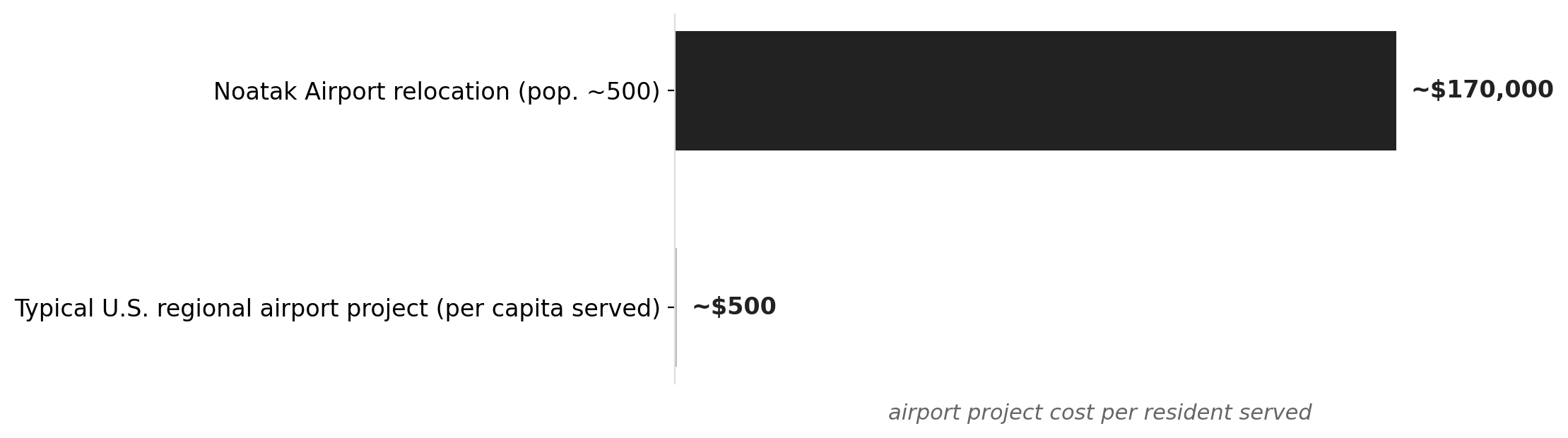
Alaska's Department of Transportation and Public Facilities is now moving to rebuild the airport on safer ground, with a new runway, taxiway, apron, snow removal equipment building and access road. The state has posted bids for the relocation project, with an engineer's estimate between $80 million and $90 million. The price tag is steep for a village of 500, but Arctic construction rarely comes cheap: materials must be flown or barged in, the building season is short, permafrost demands specialized engineering, and gravel itself is scarce.
Source: NationGraph.
The project fits a pattern playing out across rural Alaska. The U.S. Government Accountability Office identified more than 30 Alaska Native villages facing imminent threats from erosion and flooding as far back as 2003, and a 2019 follow-up found conditions had worsened. Noatak has appeared on those federal threat lists for years. Similar airport relocations driven by the same forces have been completed or planned at Kivalina, Napakiak, Newtok and Shishmaref. Napakiak's project, relocated amid Kuskokwim River erosion eating toward its old runway, offers the closest precedent.
The funding flows primarily through the FAA's Airport Improvement Program. Alaska DOT&PF typically finances rural airport projects with roughly 93.75% federal FAA money and a small state match. The 2021 Bipartisan Infrastructure Law added $15 billion for airports nationally over five years, with dedicated set-asides for rural and Alaskan facilities that have helped move projects like Noatak's forward.
For residents, the stakes are immediate and personal. The airport handles medevacs to Kotzebue and onward to Anchorage for anyone who needs hospital care. Delays or closures ripple through every aspect of daily life in a community that also depends heavily on subsistence hunting of caribou, moose and salmon.
Construction is targeted for completion by May 1, 2030.