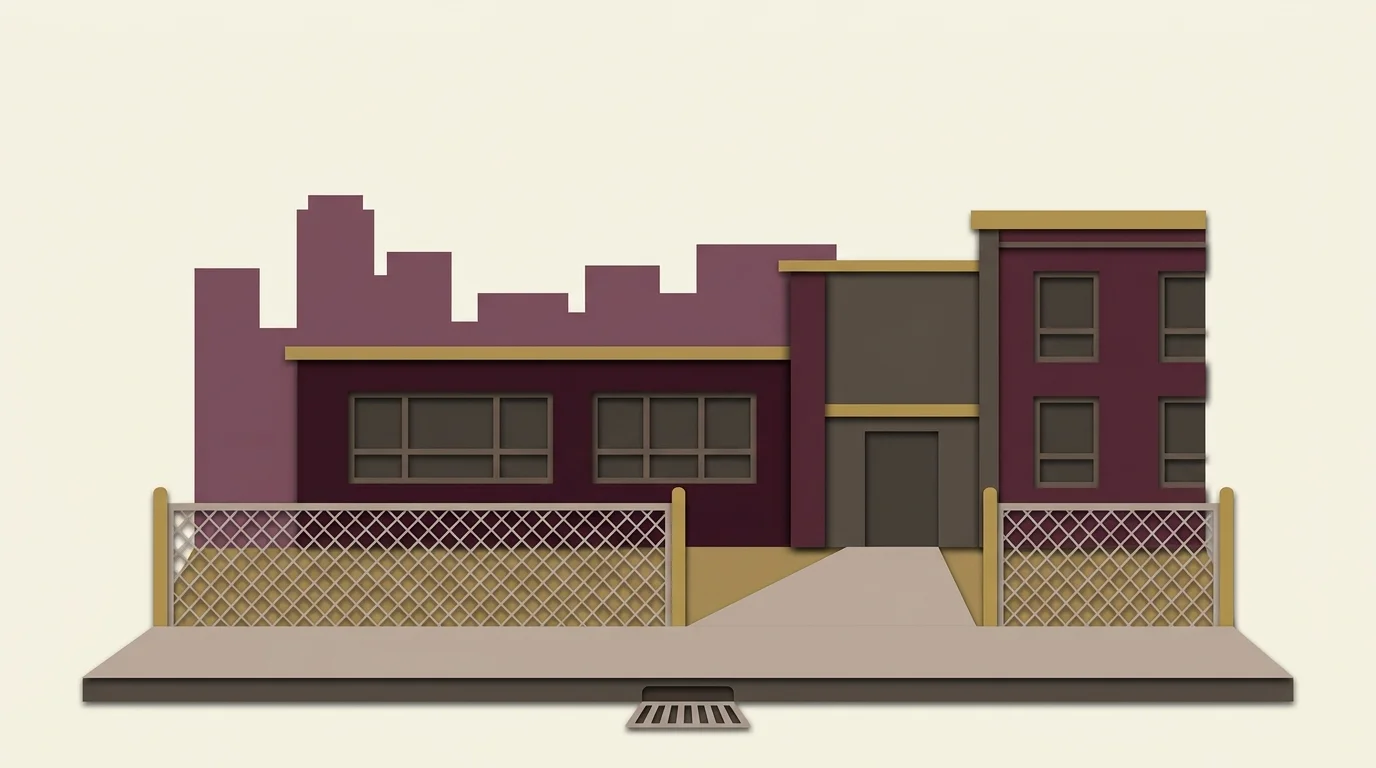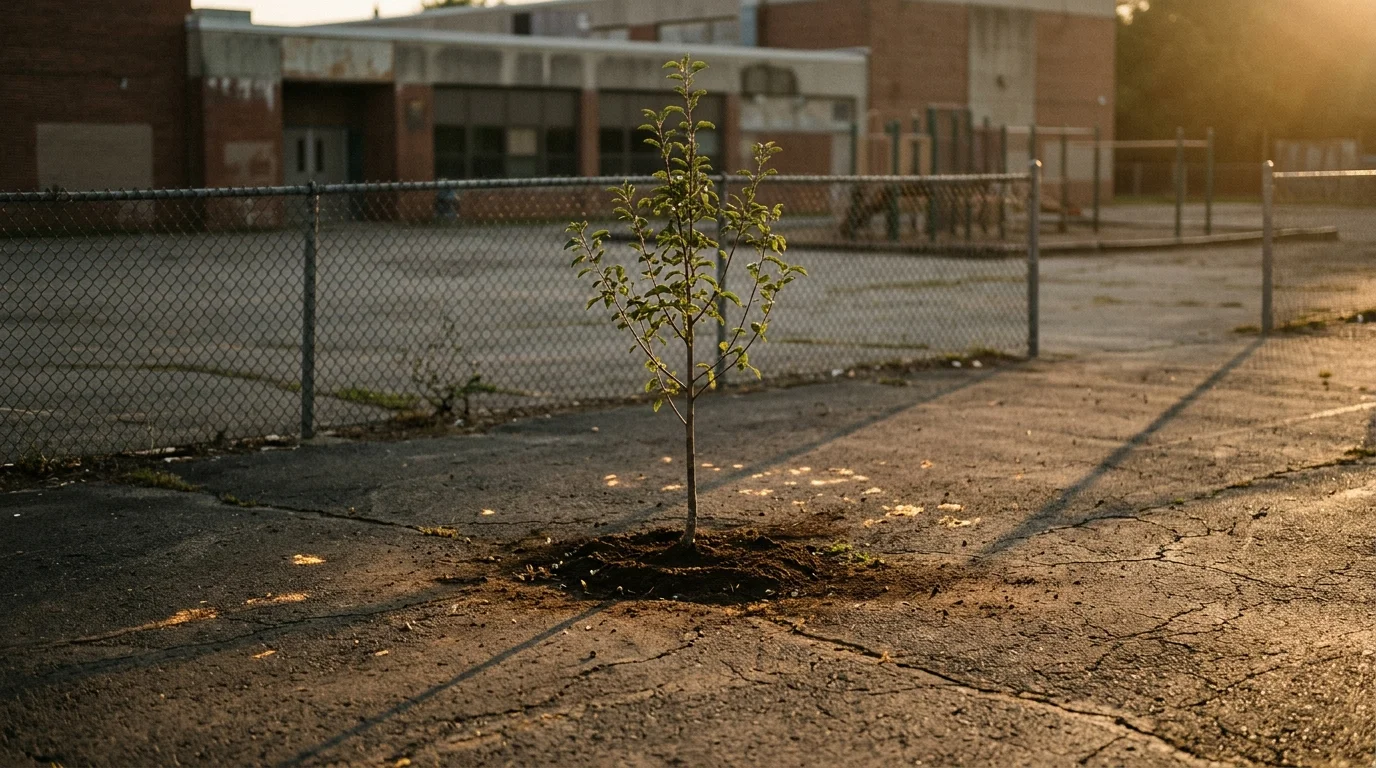
Students at La Mesa-Spring Valley schools in eastern San Diego County have spent decades playing on asphalt that can reach surface temperatures exceeding 140°F on hot days. Now the district is working to change that, pursuing state funding to tear out blacktop and replace it with trees, native plants, and shaded outdoor learning areas.
The district is hiring landscape architects and contractors to carry out the work through California's CAL FIRE Green Schoolyards Program, a state initiative that funnels cap-and-trade revenue into urban forestry projects on school campuses. California launched the program in 2022 amid Governor Newsom's broader climate agenda, which includes planting 30,000 trees on schoolyards statewide by 2030. Individual grants typically range from $150,000 to $2 million per site.
The timing matters for a district like La Mesa-Spring Valley. The TK-8 district serves roughly 11,000 students across about 20 campuses in La Mesa, Spring Valley, and unincorporated San Diego County, where most students qualify for free or reduced-price meals. Spring Valley in particular has been identified in regional climate mapping as a neighborhood with low tree canopy and high heat exposure. The inland East County location regularly runs 10 to 15 degrees hotter than the coast, and most of the district's campuses were built in the mid-20th century with the wide asphalt playgrounds typical of that era.
Research has consistently shown that schools in lower-income and historically redlined neighborhoods have far less tree cover than those in wealthier areas, a gap that CAL FIRE's program was specifically designed to address by prioritizing high-poverty, low-canopy districts. The COVID-19 pandemic also sharpened awareness of how little usable outdoor space many schools actually had.
The project details, including which school sites will be converted and the total funding amount, are available through the district's purchasing services page. Other San Diego County districts, including San Diego Unified and Chula Vista Elementary, have already received Green Schoolyards grants and begun their own asphalt-to-nature conversions.
Once a contractor is selected, the timeline for breaking ground will come into focus. One open question is long-term maintenance: critics of the program have noted that grant funding covers installation but not the ongoing care that trees and native plantings require, a real concern for a district with a tight operating budget.