A small creek in southwestern Montana is about to get a significant overhaul as the state continues its slow, methodical effort to restore a trout fishery wrecked by more than a century of copper mining and smelting.
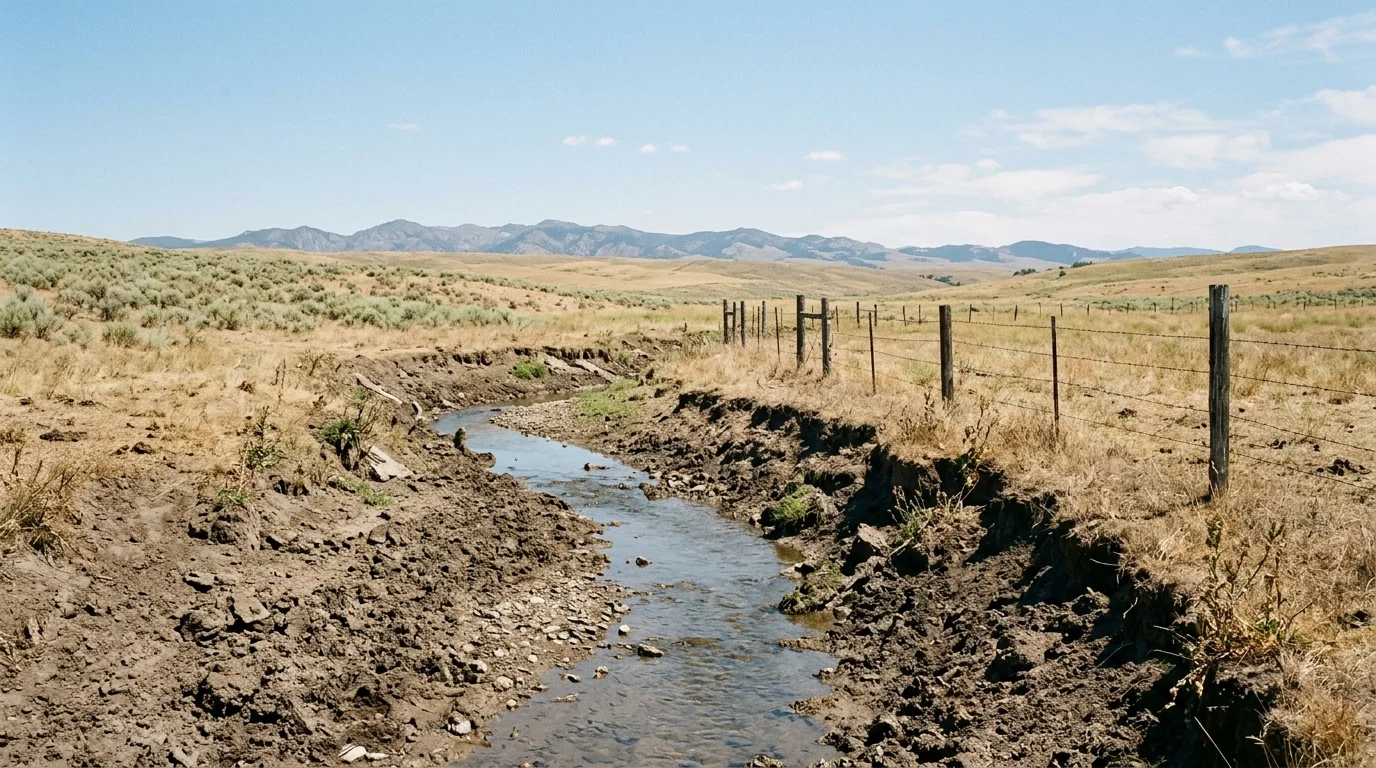
Montana is hiring contractors to restore Lower Racetrack Creek, a tributary of the Clark Fork River in Powell and Deer Lodge counties, through a combination of livestock fencing, an off-channel water supply for cattle, a modernized irrigation diversion with a fish screen, streambank stabilization, and channel realignment. The work targets problems that have compounded on top of the original mining damage: unmanaged grazing that erodes streambanks, irrigation ditches that divert and kill fish, and a degraded channel that no longer functions as healthy trout habitat.
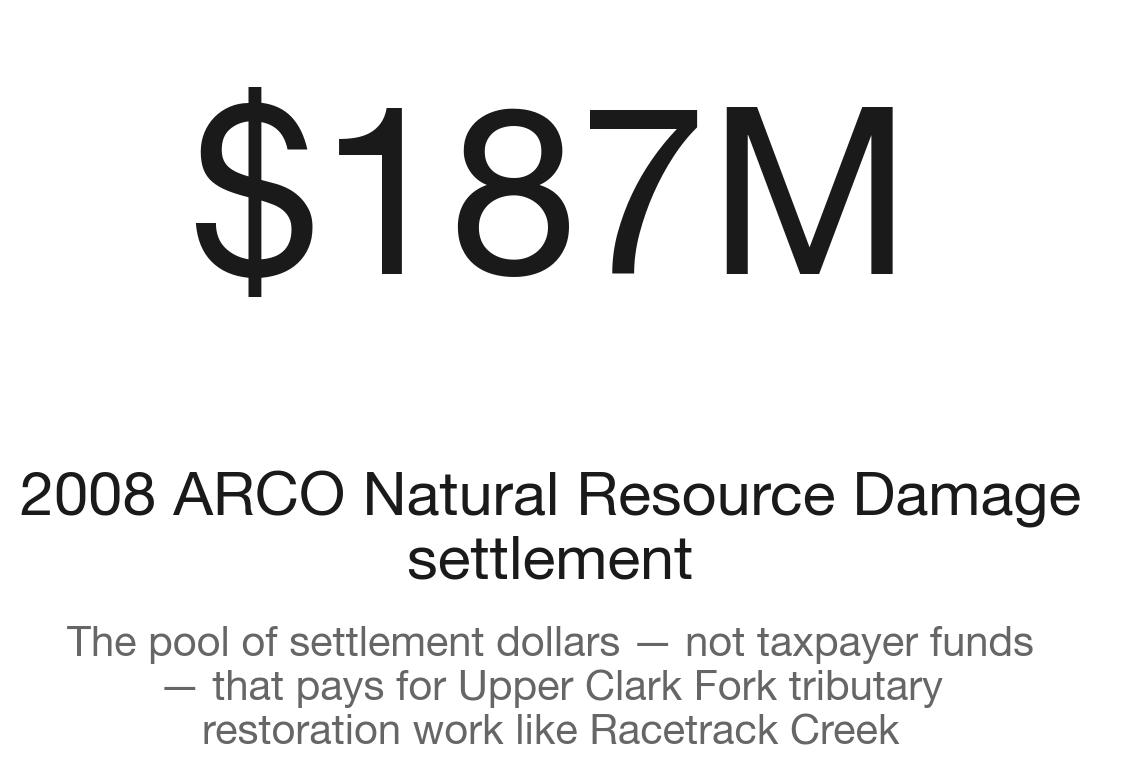
The project is funded through settlement dollars paid by Atlantic Richfield Company (ARCO, now owned by BP) as part of Montana's Natural Resource Damage program. The state settled with ARCO for $187 million in 2008, on top of earlier settlements dating to 1999, to restore aquatic and terrestrial resources across the Upper Clark Fork basin harmed by the Butte and Anaconda mining operations. Those operations, centered on what is now the nation's largest Superfund complex, contaminated hundreds of miles of the Clark Fork system over generations.
Source: NationGraph.
Racetrack Creek has been a priority restoration target amid a significant change upstream in 2008: the removal of Milltown Dam near Missoula reopened hundreds of miles of the Clark Fork to migratory trout, suddenly making the quality of tributaries like Racetrack far more consequential. Fish that can now move freely through the main stem need functional spawning and rearing habitat in the side channels to survive.
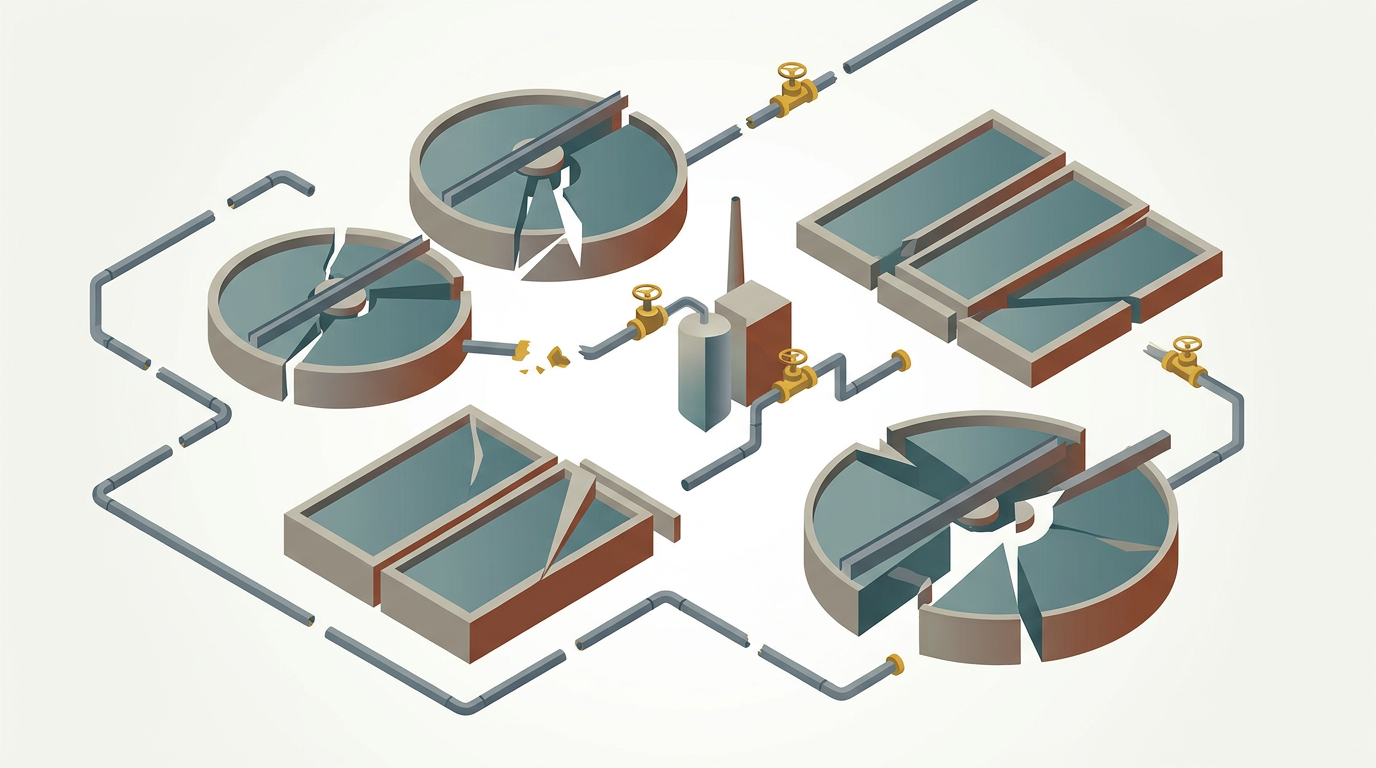
The fish screen component is particularly significant. Without screens, irrigation diversions act as traps, pulling juvenile fish into agricultural ditches where they die. Installing modern screened diversions is one of the most reliable ways to reduce fish mortality in working ranch landscapes, and Montana has deployed this approach across dozens of Upper Clark Fork tributaries over the past 15 years. Similar work has helped native westslope cutthroat and bull trout, both species of concern, recolonize reaches they had largely abandoned. Montana is also rebuilding a century-old dam on the Yellowstone to let native trout pass again, reflecting the same broader push to reconnect fragmented fish habitat across the state.
The restoration work also requires cooperation from private ranchers, since the fencing and water system changes directly affect how livestock operations function. That negotiation is a recurring challenge in Powell and Deer Lodge counties, where agriculture remains central to local identity and economy.
Montana's fishing and outdoor recreation industry generates more than $7 billion annually, giving projects like this a practical economic dimension beyond the ecological one. The project is listed in the state's procurement system, though a construction timeline and contract value have not been publicly disclosed.