Montana's housing authorities in Missoula, Billings, Great Falls, Helena, Butte, and Richland County received roughly $1.9 million in new Section 8 Housing Choice Voucher disbursements over the past 90 days, up from about $1 million in the same window last year. Add a new $450,000 USDA Rural Self-Help Housing Technical Assistance grant to Neighborhood Housing Services of Great Falls, and genuine housing-specific federal dollars into the state total approximately $2.3 million, a real increase of about 130 percent year over year. A note on the numbers: a $25 million federal highway reconstruction grant for a McCone County road project was captured in an initial keyword sweep and inflated the headline figure to $27.3 million. That money is not housing spending. Stripped of the accounting artifact, the actual picture is more modest, and more instructive.
The modest federal uptick traces directly to Congress passing a full-year FY2026 HUD appropriations bill in February 2026, raising Section 8 Housing Choice Voucher funding nationally from $36.04 billion to $38.4 billion. HUD followed in May with PIH Notice 2026-12 implementing the new HCV provisions, and renewal disbursements began flowing to local public housing authorities shortly after. Montana's share is proportionally small, but for the six housing authorities now receiving fresh voucher renewals, the timing matters.
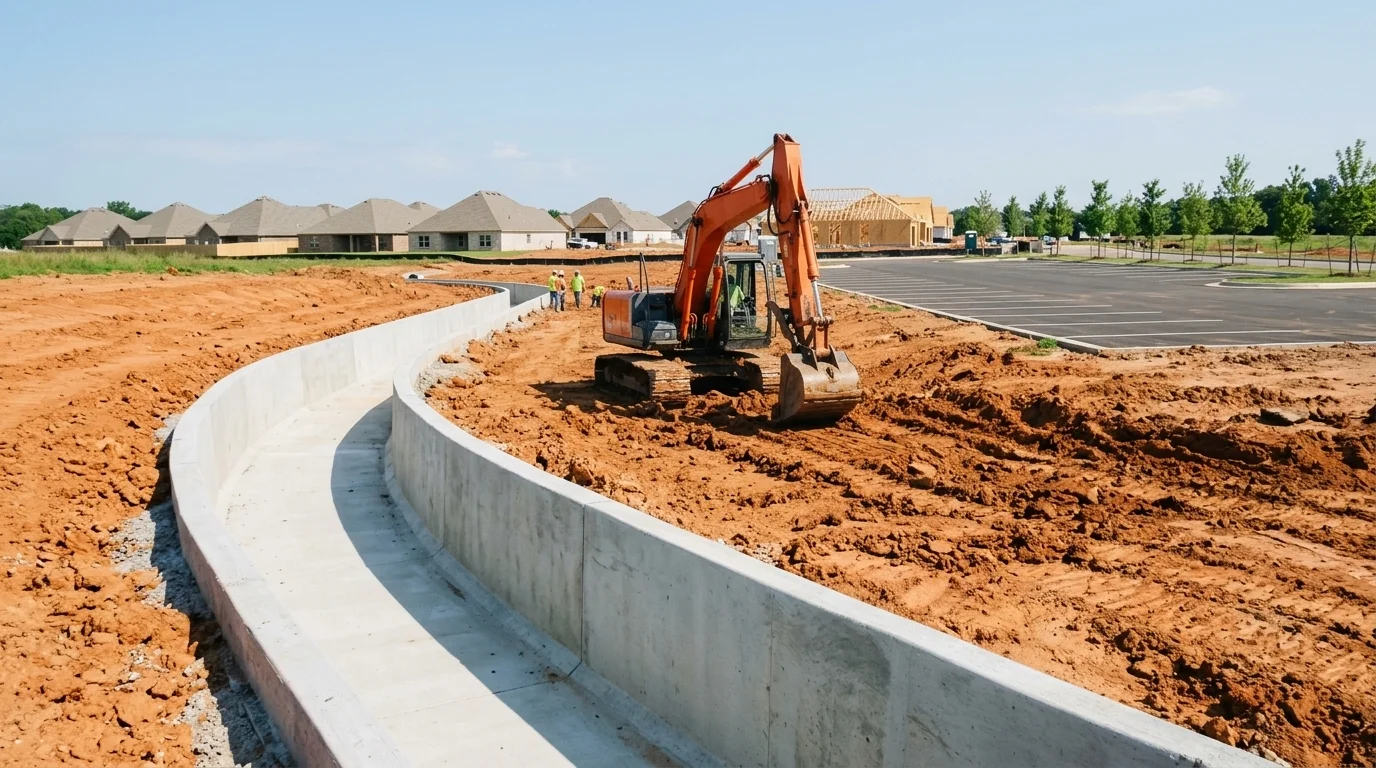
Separately and without coordination, Montana's supply side moved at the same time. The state's 2023 "Montana Miracle" zoning package, which required cities of more than 5,000 residents to allow duplexes on any single-family lot and multifamily development in commercial zones, faced years of legal challenges from a homeowners' group called Montanans Against Irresponsible Densification. In March 2026, the Montana Supreme Court unanimously upheld all four laws, removing the last legal cloud over implementation. The May 2026 compliance deadline under the Montana Land Use Planning Act, which required the state's ten largest cities to update their zoning codes to accommodate projected growth, has now passed.
These are two entirely distinct mechanisms addressing opposite ends of the same crisis. The zoning package is a state regulatory mandate aimed at private developers and local planning departments. It funds nothing directly and is designed to increase the supply of market-rate and modestly priced ownership housing by unlocking land that was previously off-limits. The federal voucher program subsidizes rent for low-income households who already cannot afford market-rate units, whether those units exist or not. As the American Planning Association noted in a February 2026 analysis, it is still too early to measure any supply-side impact from the zoning reforms, with most cities having only recently crossed the compliance threshold.
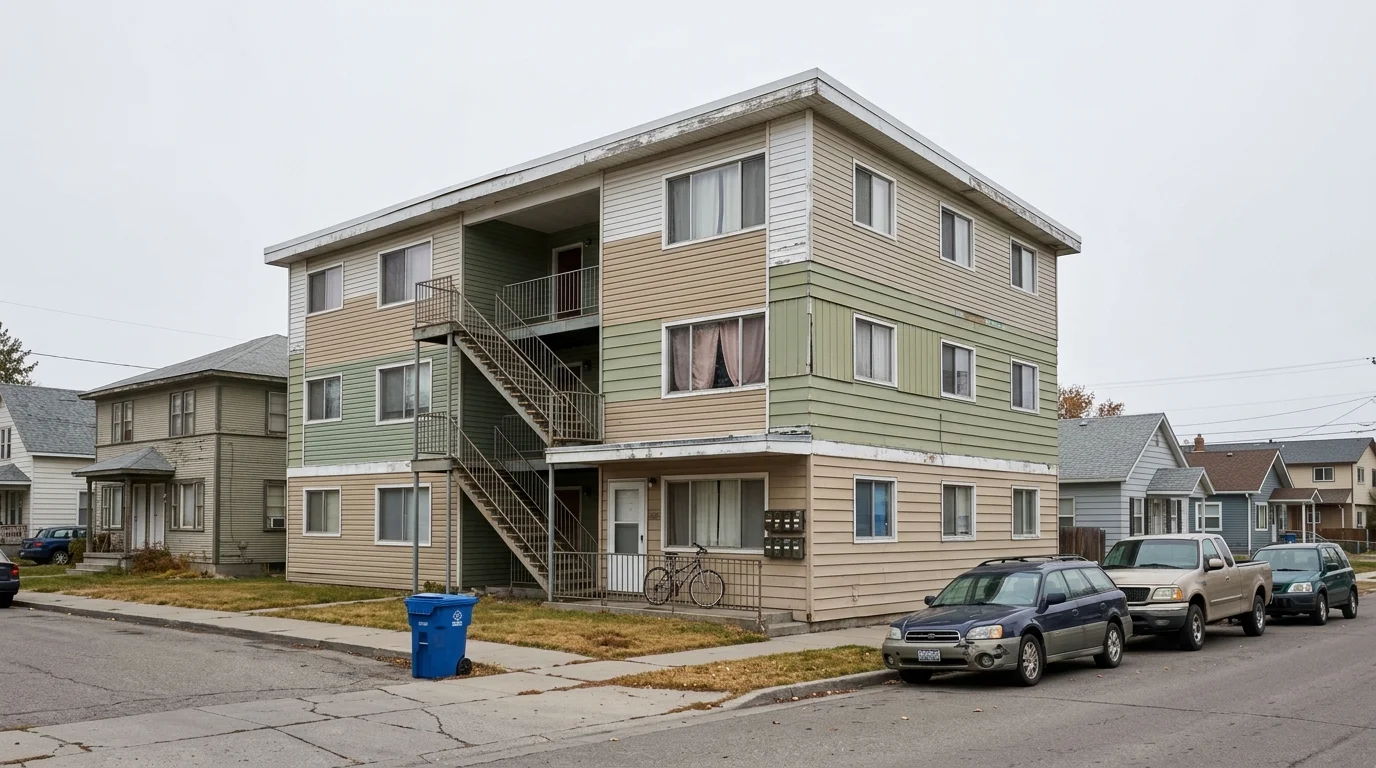
The gap between the two tools is not theoretical. Montana's median home sales price rose 90 percent between 2018 and 2023, and the Montana Budget and Policy Center estimates the state is short roughly 15,000 rental units affordable to low-income households. The families those units do not exist for are precisely the population the voucher system serves. And Montana's $1.9 million in new HCV disbursements, while a genuine increase, lands against a documented national shortage of voucher funding relative to eligible households, many of whom remain on multiyear waiting lists.
The broader Montana housing portfolio is substantial on paper. The state carries $543.8 million in obligated HUD housing funds across 127 active grants, with $218.5 million already outlayed. The new grants sit on top of that existing footprint rather than replacing it. But the pace of disbursement and the scale of the deficit suggest the gap is not closing quickly.
What changes for a renter in Missoula or Billings in the near term is limited but real. Six housing authorities have more active voucher funding than they did a year ago. Neighborhood Housing Services of Great Falls has new USDA technical assistance dollars to help rural low-income households build or rehabilitate homes through sweat equity. And the legal certainty around zoning reform, now that the Montana Supreme Court has ruled, may accelerate private development timelines in cities where developers were waiting out the litigation.
The open question is what happens in FY2027. Congressional negotiations over the next HUD appropriations cycle are already beginning, and national housing advocacy organizations have flagged the HCV program as a potential target for cuts. If the FY2026 increase proves to be a one-year high-water mark rather than a new baseline, Montana's housing authorities will be absorbing that reduction at the same moment the state's zoning reforms are just beginning to yield new units, if they do at all. The zoning clock and the voucher clock are running on different tracks, and for now neither is moving fast enough to meet the 15,000-unit gap.