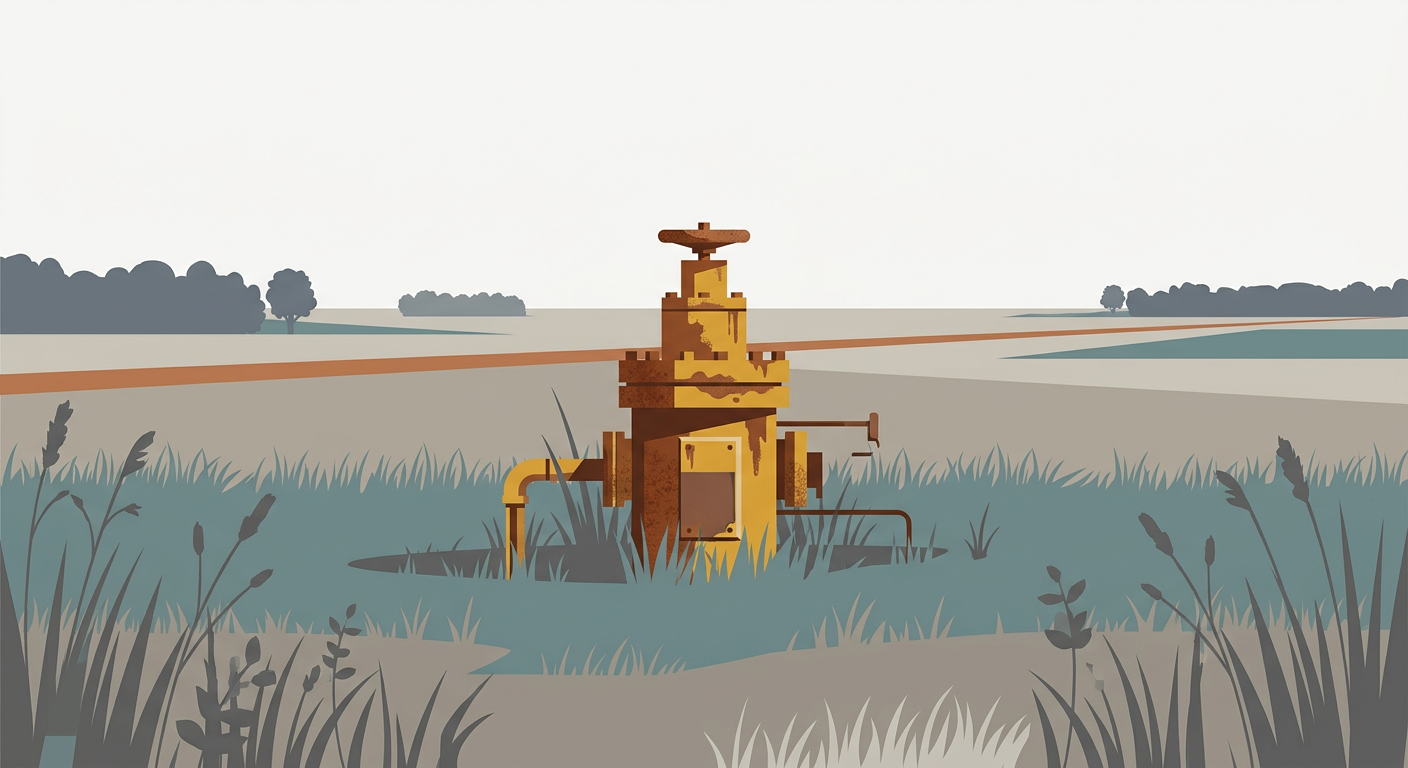
Mississippi is moving forward with a long-overdue cleanup of hundreds of abandoned oil and gas wells scattered across its southern counties, many of which have been leaking methane into the air and chemicals into groundwater for decades.
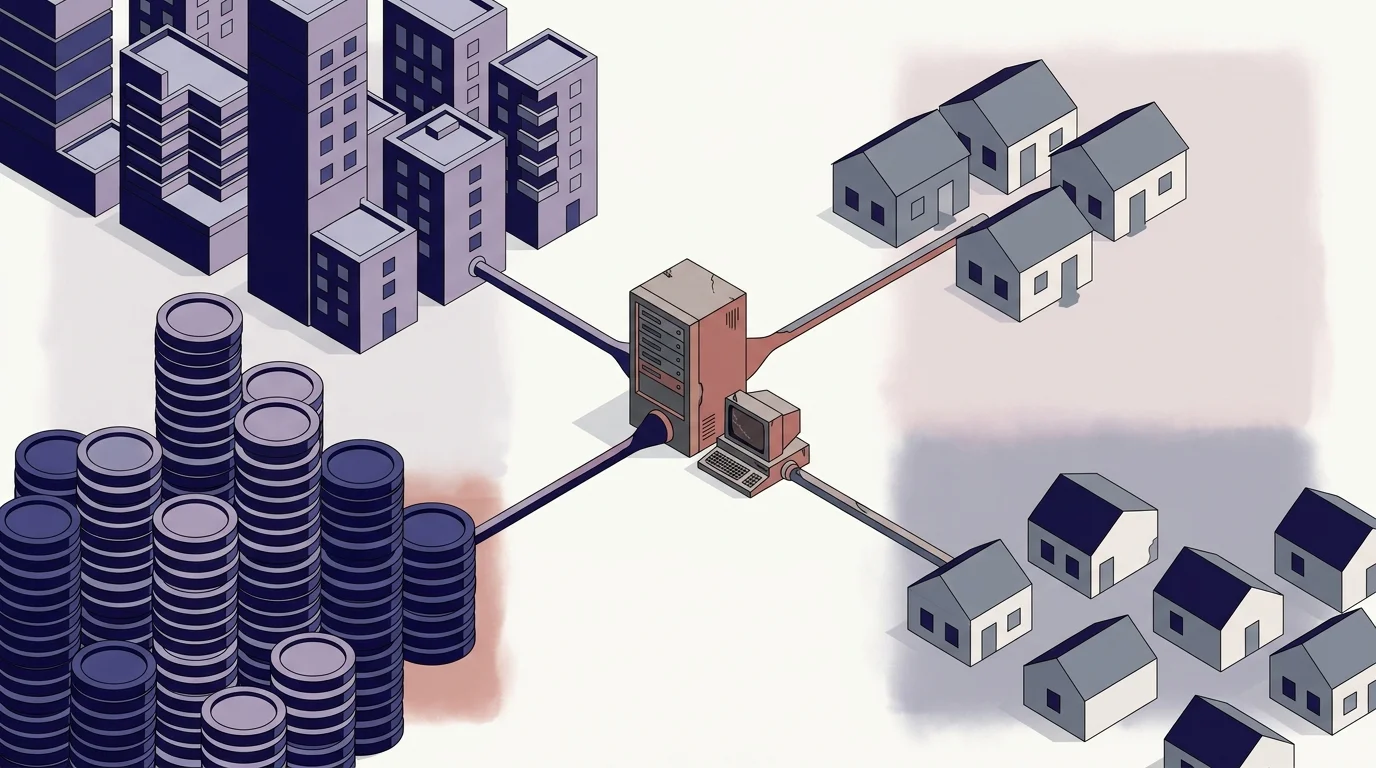
The Mississippi State Oil and Gas Board is now seeking contractors to plug and reclaim the wells, using $25 million in federal infrastructure funds the state received nearly three years ago. The work targets more than 1,000 documented orphaned wells, left behind by companies that went bankrupt or simply walked away over the past century of oil extraction in Mississippi.
These unplugged wells pose real hazards: they leak methane, a potent greenhouse gas; contaminate drinking water with brine and drilling chemicals; and create safety risks including sinkholes and explosive gas buildup. Most are concentrated in 13 rural, low-income counties in southern Mississippi where oil production peaked decades ago, areas like Amite, Wilkinson, and Marion counties.
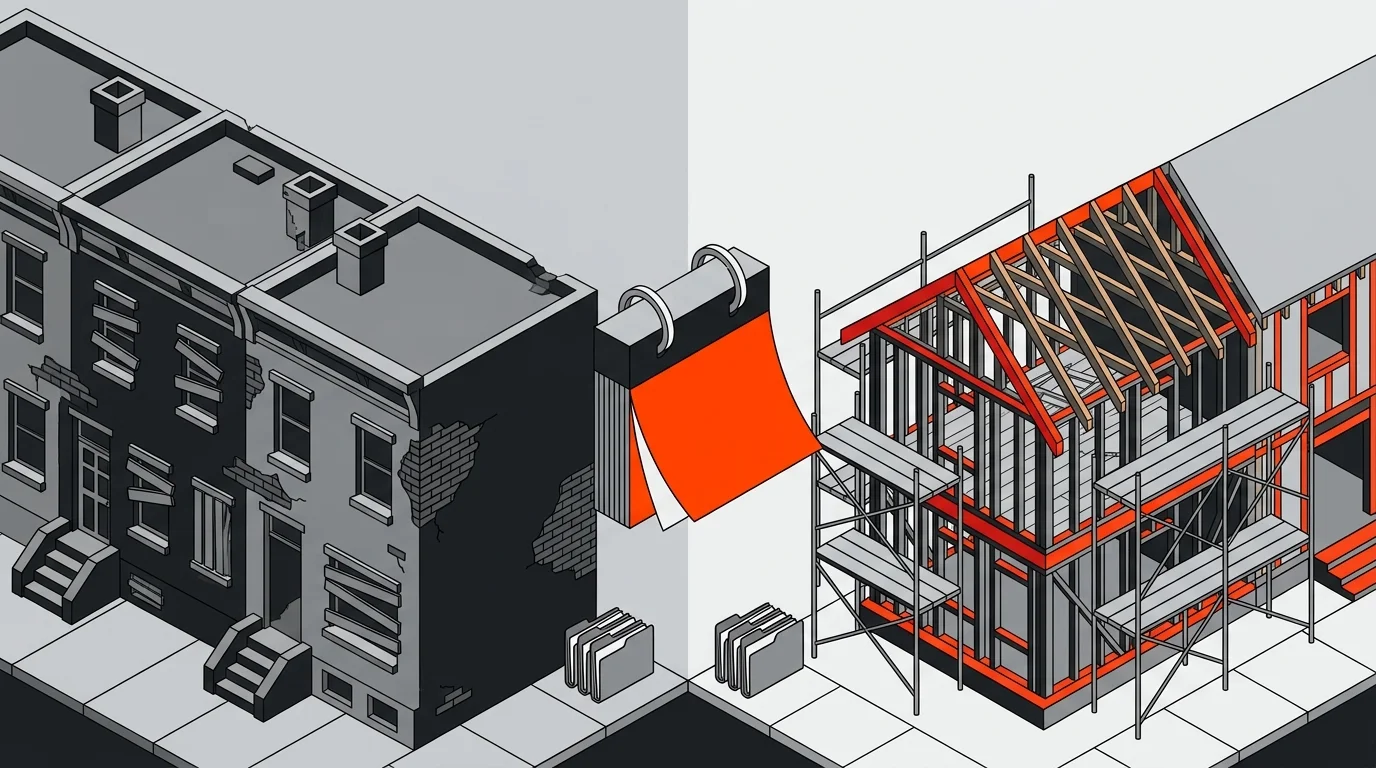
The cleanup money comes from the 2021 federal infrastructure law, which set aside $4.7 billion nationwide specifically for orphaned well remediation. Mississippi received its share in April 2022, but is only now contracting for the fieldwork, a timeline that reflects the scale and complexity of the effort.
The federal program requires states to prioritize wells near homes, schools, and communities that have borne disproportionate environmental burdens. For Mississippi, that means focusing on rural areas where residents have lived with the pollution for generations while the state's small, underfunded regulatory agency lacked resources to act.
Contractor selection will determine how quickly the work moves and whether it's done to rigorous environmental standards. The State Oil and Gas Board, which has operated on a limited budget with only a handful of inspectors, will oversee the program.
The federal funding is temporary. Whether Mississippi uses this moment to strengthen bonding requirements and prevent future well abandonment, or treats it as a one-time cleanup, remains an open question.