Rural schools in Oregon are getting help teaching artificial intelligence and computer science, backed by a $199,999 National Science Foundation grant awarded this month to expand a statewide education partnership that has been quietly building capacity for nearly a decade.
The money goes to Computer Science for Oregon, a statewide network built around a curriculum called Exploring Computer Science that was originally designed with equity in mind. The curriculum has recently been revised to include AI-specific content: machine learning, natural language processing, algorithmic bias, and the societal effects of AI systems. The problem is that having a revised curriculum means little if teachers don't feel equipped to actually deliver it.
That's especially true in rural Oregon, where small districts east of the Cascades, along the southern border, and on the coast often run on skeleton staffs, rely on one teacher to cover multiple subjects, and face chronic STEM recruitment gaps. These communities are geographically and economically distant from the Portland metro area, where Oregon's tech sector is concentrated and students grow up surrounded by the industry these courses are meant to prepare them for.
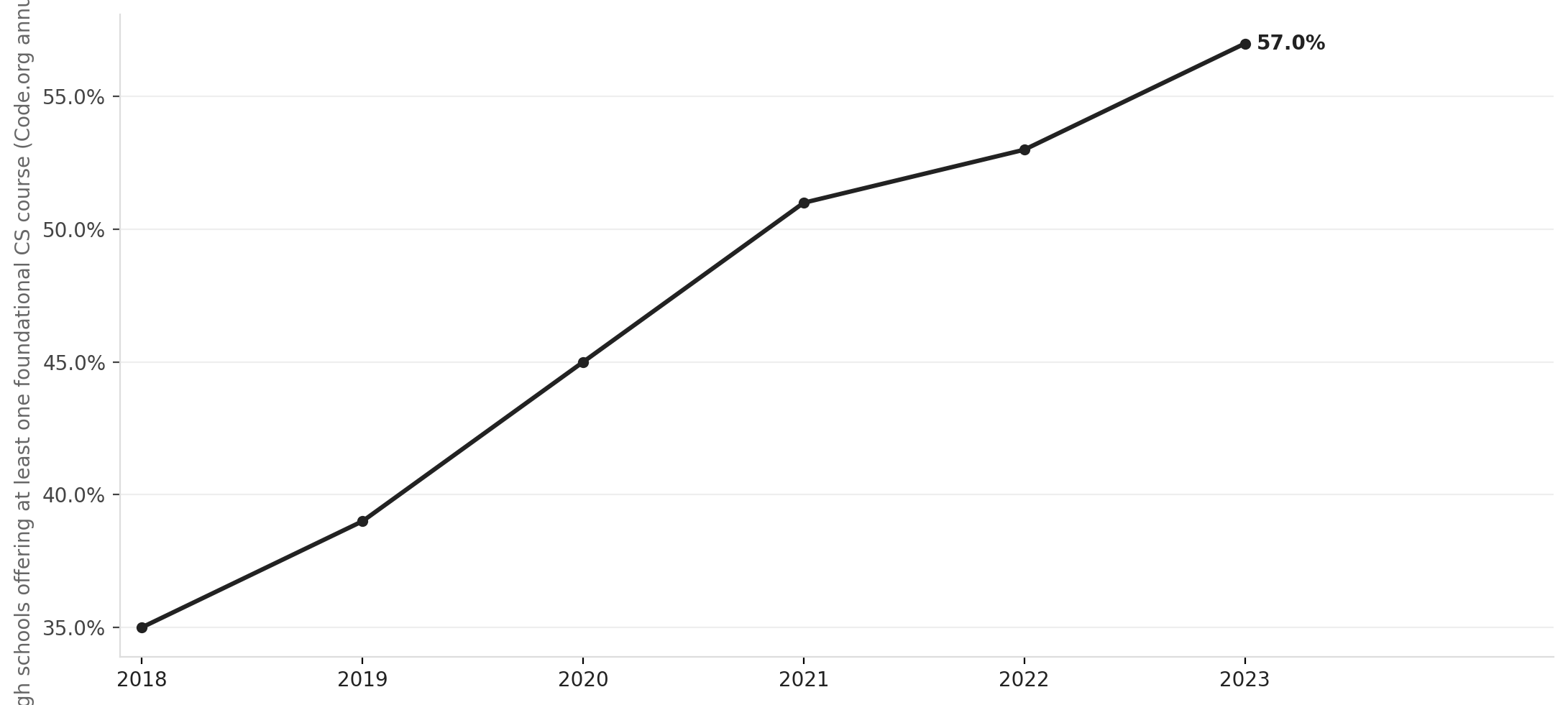
Source: NationGraph.
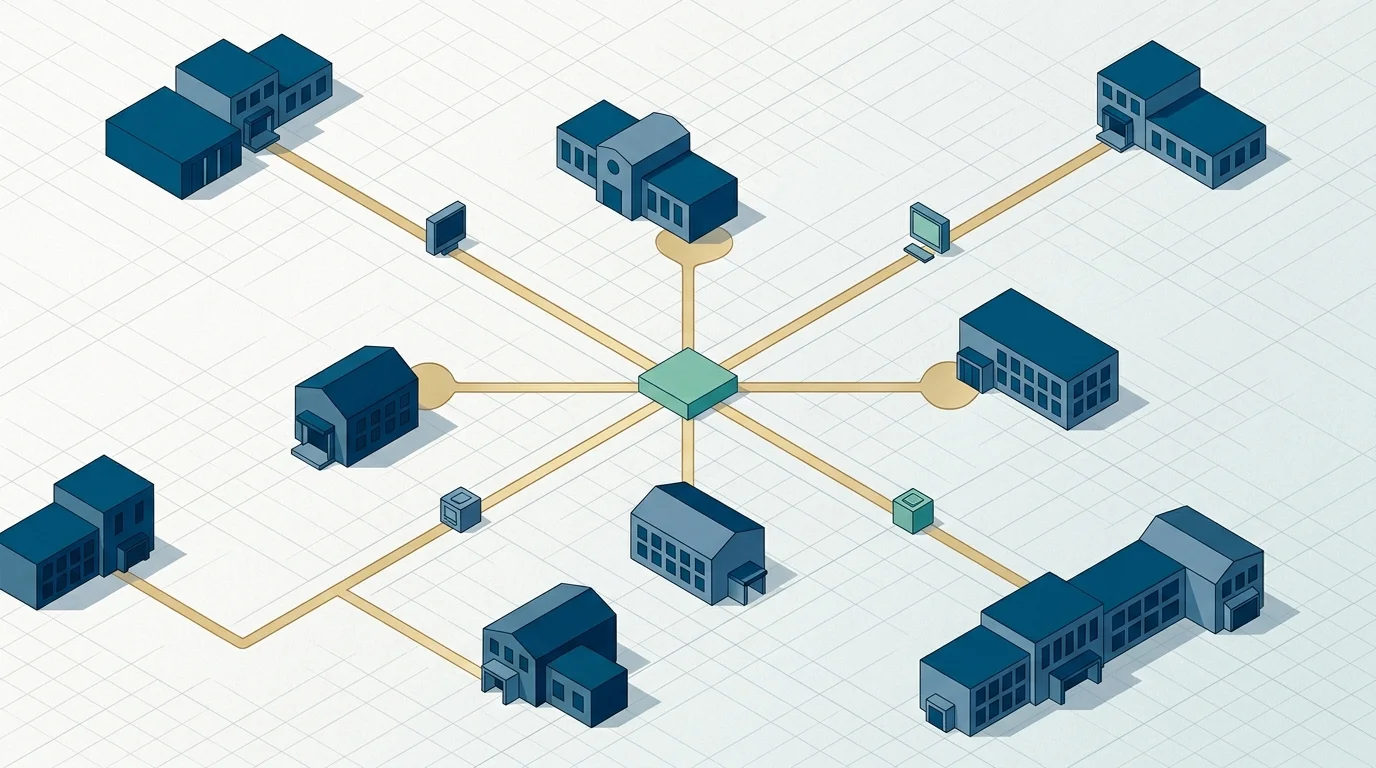
The grant funds practical, on-the-ground support rather than new materials: individualized coaching for teachers as they implement AI lessons in real classrooms, virtual professional learning communities that connect educators across the state, and structured guidance for principals and district leaders on how to build CS programs into their staffing and scheduling. Teachers will also conduct and share their own classroom research on what actually works when introducing AI instruction in rural settings.
NSF awarded the grant through its EAGER mechanism, which it uses for exploratory, time-sensitive work. The urgency is real: a 2024 RAND Corporation report found fewer than 10 percent of U.S. schools offered any formal AI instruction, even as tools like ChatGPT have made AI a fixture of daily life for students and adults alike. Oregon's initiative mirrors efforts elsewhere, including a Florida program to train 600 high school teachers in AI education that reflects similar pressure on states to close the gap.
The virtual component of the professional learning communities raises its own challenge in a state where broadband access remains inconsistent in many rural areas, though connectivity has been improving.
The grant covers one academic year of expanded implementation. Whether the infrastructure built during that window holds up without continued federal support is the open question Oregon's educators will face when it runs out.