The Minnesota Zoo in Apple Valley is moving ahead with a new beaver exhibit for its Minnesota Trail, the flagship indoor showcase of the state's native northern species, and is looking for a contractor to build the custom water systems that will keep the animals healthy.
The exhibit requires a purpose-built life support system: the filtration, circulation, temperature control, UV sterilization, and water-quality monitoring equipment that semi-aquatic mammals need to survive in a captive setting. The zoo has posted the solicitation through Minnesota's Office of State Procurement. The contract value and construction timeline were not specified in the posting.
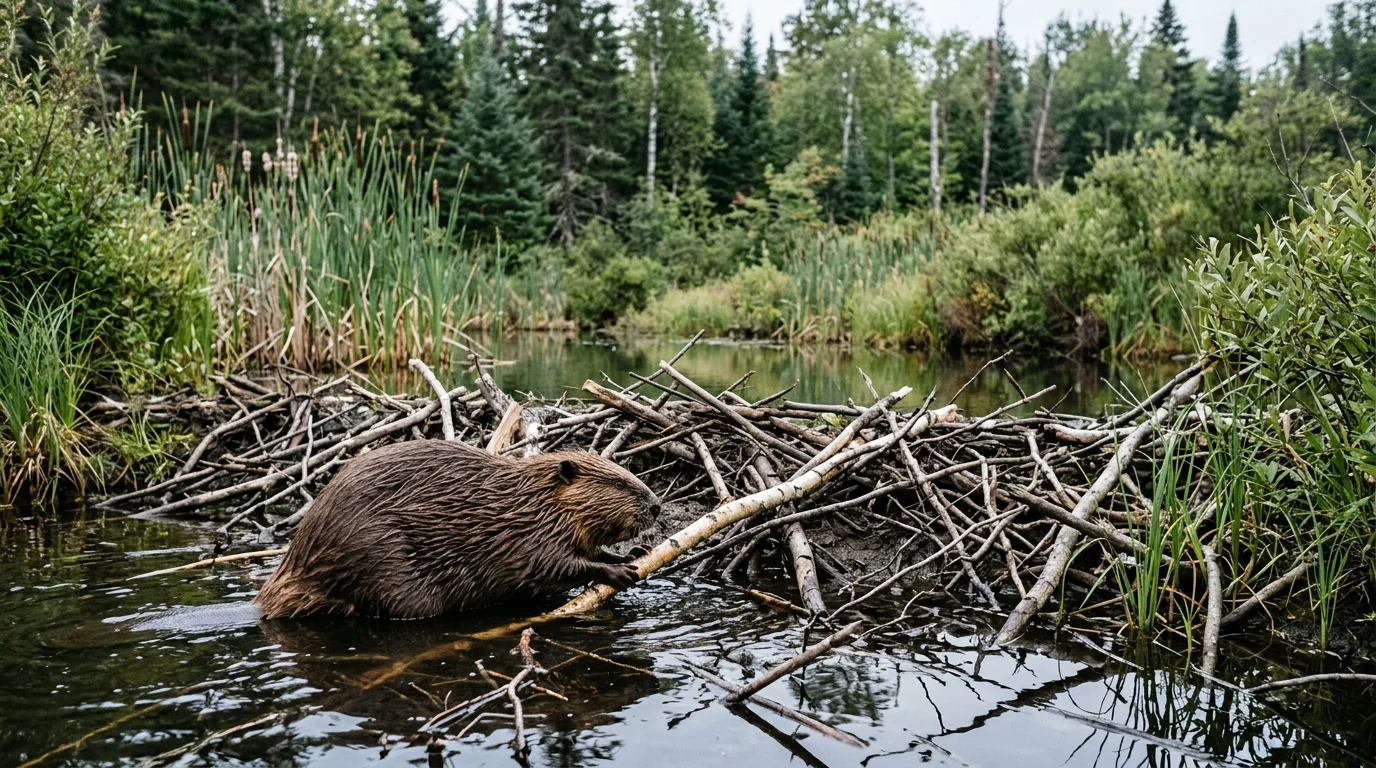
The timing reflects a broader shift in how zoos and conservation educators talk about the North American beaver. A species that the fur trade nearly wiped out by the 1800s, and that state highway departments and farmers spent much of the 20th century treating as a nuisance, has spent the past decade being recast as an ecosystem engineer. Beavers build dams that slow water flow, raise the water table, filter runoff, and create wetland habitat for dozens of other species. Researchers and land managers have increasingly promoted deliberate beaver reintroduction as a low-cost, nature-based tool for drought resilience and watershed restoration.
In Minnesota, that reappraisal carries particular weight. The state is one of the most beaver-dense in the Lower 48 and has its own history of tension between landowners frustrated by flooding and conservationists promoting beaver-based water management. The Minnesota DNR has incorporated beavers into watershed restoration work, and the state's identity as the Land of 10,000 Lakes makes water literacy a natural fit for public education.
The Minnesota Trail already houses lynx, wolverines, otters and fishers. Adding a beaver habitat with dedicated aquatic infrastructure signals a meaningful capital commitment to native-species storytelling at a zoo that draws roughly 1.3 million visitors a year. The zoo, which is a state agency governed by a board appointed by the governor, completed a $39 million Treetop Trail renovation in 2023 and has said publicly it wants to deepen its focus on Minnesota wildlife and climate themes.
No completion date has been announced. The contractor selection process is underway.