Maryland water systems and counties issued 6 PFAS-related procurement contracts in the last 30 days, against a 12-month monthly average of roughly 1.3, a 4.5x spike that began in June 2026, exactly two months after Governor Wes Moore signed Senate Bill 719 and House Bill 925 into law.
The timing is not coincidental, and the direction runs counter to what the federal calendar might suggest. In May 2026, EPA proposed rolling back drinking water limits for four PFAS compounds, a move that Maryland Attorney General Anthony G. Brown had anticipated: he joined a 15-state coalition opposing EPA rollback proposals in December 2025. Rather than slowing Maryland procurement, the federal retreat appears to be accelerating it. Localities know state law will compel compliance regardless of what Washington does, so waiting for federal clarity has no upside. The rational move is to lock in contracts now.
The legislation Moore signed on April 28 is the load-bearing driver. SB 719 and HB 925 prohibit land application of sewage sludge on agricultural land when PFAS concentrations exceed 50 parts per billion and require wastewater treatment plants to identify and cut off upstream industrial PFAS sources. The sludge restrictions take effect October 1, 2028, close enough that utilities need testing baselines and treatment infrastructure underway now, not in 2027. Virginia's governor signed a nearly identical law the same day, creating what Waste Dive described as a regional approach to Potomac watershed protection amid federal inaction.
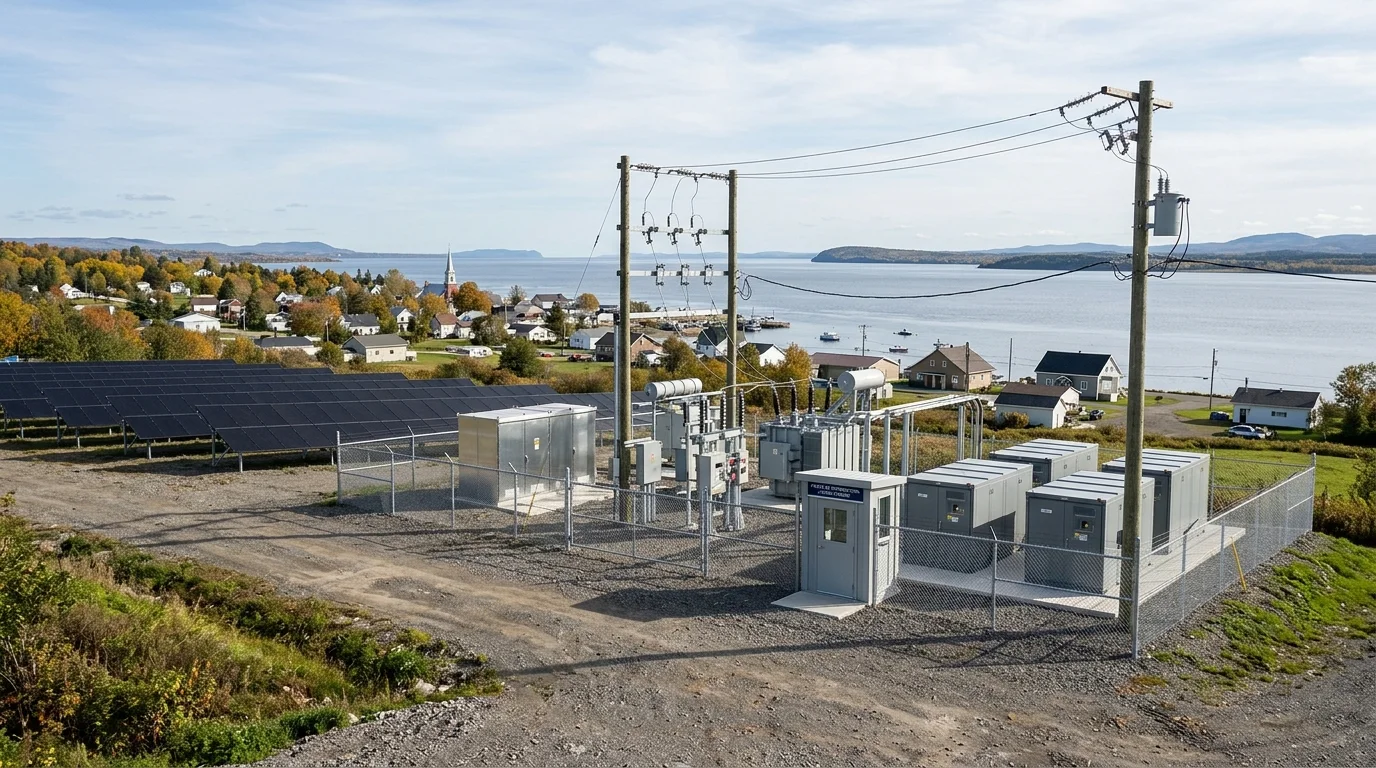
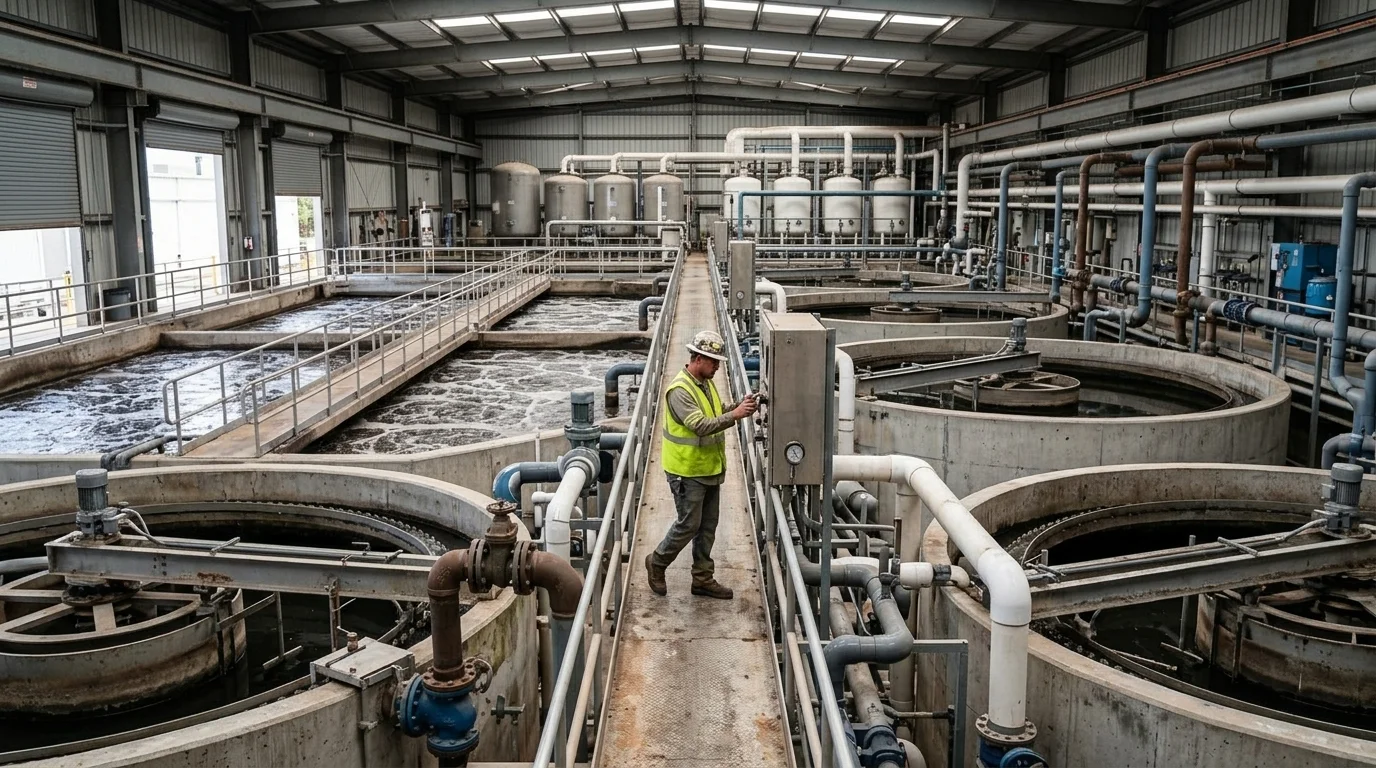
The active RFPs show where the money is moving. The Washington Suburban Sanitary Commission, which serves 1.8 million customers across Prince George's and Montgomery counties, issued a progressive design-build contract for a PFAS pilot plant at its Potomac Water Filtration Plant. Frederick County is running two simultaneous procurements: a water treatment plant upgrade that explicitly includes PFAS removal systems, and a separate environmental lab testing contract requiring both EPA Method 537.1 and the more comprehensive Method 1633A analysis. Hagerstown, in Washington County, issued a 12-month PFAS testing services contract. Taken together, the active pipeline spans testing, pilot-scale treatment, and full infrastructure, the progression you'd expect from systems moving from characterization into construction.
The capital to fund this work is already in place. Maryland MDE holds a $26.9 million EPA Drinking Water State Revolving Fund grant that began in July 2025, alongside a $9.46 million EPA Emerging Contaminants grant that started in January 2026. On May 19, 2026, EPA announced an additional $9.687 million for Maryland communities specifically for PFAS in drinking water, money that was appropriated before the current rollback proposals and that flows regardless of pending rulemaking. The grants provide the financial runway; the state law provides the legal obligation. Together they explain why the procurement calendar has compressed.
Maryland's geography makes its exposure unusually concentrated. The Department of Defense is conducting remedial investigations at 11 locations across 10 military installations in the state, including Joint Base Andrews, where decades of aqueous film-forming foam use has created persistent groundwater plumes. The Chesapeake Bay watershed adds a second contamination pathway: agricultural fields that received PFAS-laden biosolids for years now represent a diffuse source that SB 719's sludge restrictions are designed to stop from growing further. MDE's own school well testing program, launched in 2024, found 29 schools with PFAS levels above federal limits, a finding that the Maryland Counties Association cited when it flagged PFAS as a top 2026 legislative priority.
For residents of Prince George's, Montgomery, Frederick, and Washington counties, the immediate implication is that water system operators are actively testing for compounds that most customers have never heard of, and that infrastructure upgrades are already in procurement rather than still in planning. The WSSC pilot plant contract, in particular, is a meaningful commitment: a pilot facility is the step before a utility decides whether to build full-scale treatment, which means a capital decision of potentially hundreds of millions of dollars is closer than it appears.
What to watch next: the October 1, 2028 effective date for the sludge restrictions sets a hard backstop, but wastewater plants required to trace upstream industrial PFAS sources face no such grace period. MDE has not yet published its guidance on what source-identification timelines look like in practice. When that guidance lands, expect another wave of upstream industrial testing RFPs from plants that have been waiting for regulatory specifics before committing procurement dollars. The current spike is the first act; source-control compliance is the second.