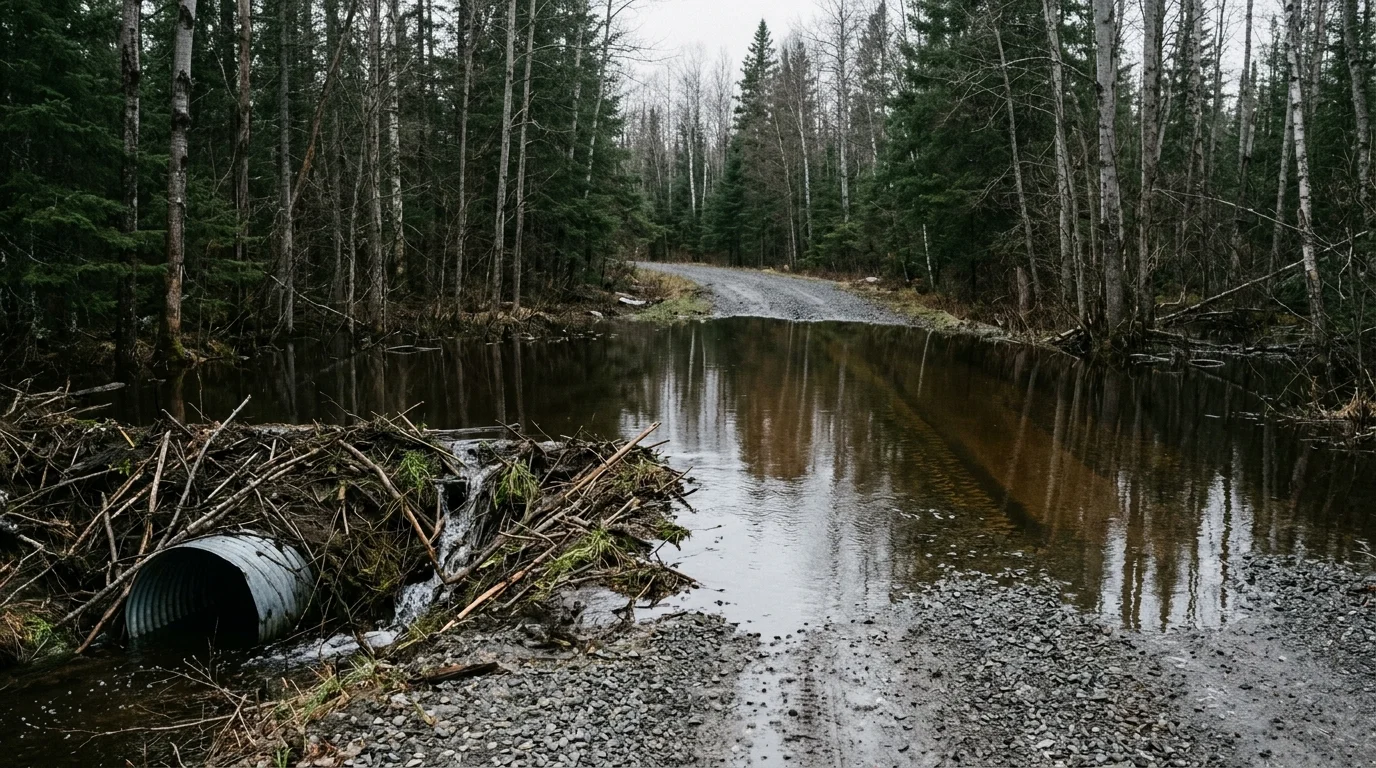
The beaver population of north-central Minnesota is doing exactly what beavers do: building dams, flooding low-lying ground, and plugging culverts until forest roads wash out. What has changed is who pays to stop them.
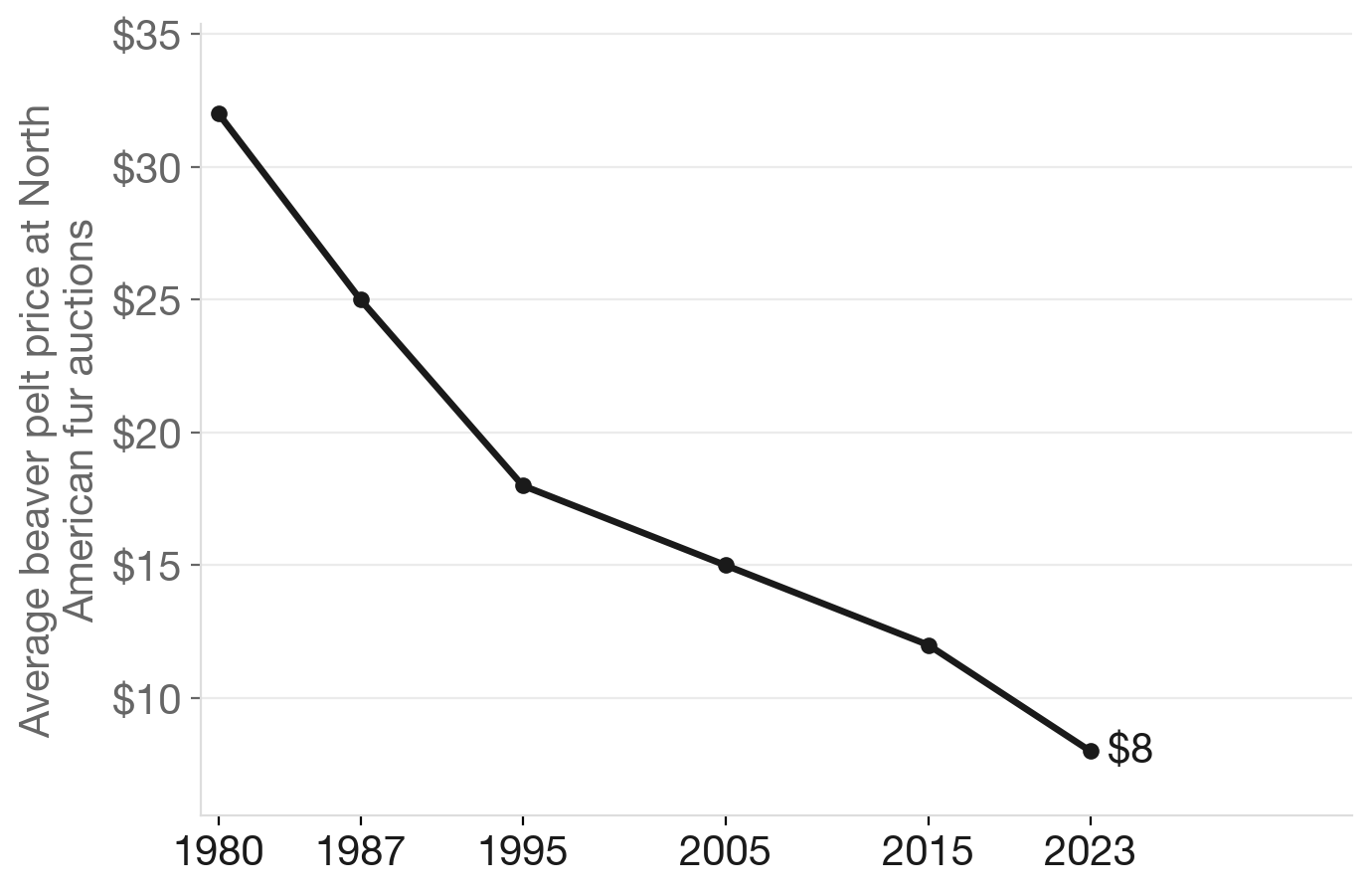
Minnesota's Department of Natural Resources is contracting private trappers through its Bemidji Area Forestry office to remove problem beavers and breach dams on state forest lands in Beltrami County and surrounding areas. The solicitation is posted on Minnesota's supplier portal. For most of the 20th century, a functioning fur market meant trappers worked these woods on their own initiative, driven by the income a beaver pelt could bring. A good pelt once fetched more than $30. Today, many sell for under $10, and the collapse in prices has thinned the ranks of working trappers dramatically, leaving far more beavers in the woods and far more culverts plugged.
Beavers were nearly wiped out of Minnesota by unregulated trapping in the early 1900s. Conservation programs over the following decades allowed the population to recover to the point where Minnesota now hosts one of the largest beaver populations in the Lower 48. That's a genuine conservation success, but it runs headlong into the reality that northern Minnesota's state forests are threaded with logging roads, drainage ditches, and stream crossings built on the assumption of free-flowing water. When a beaver dams a culvert, it can flood a road, kill standing timber by drowning root systems, and raise stream temperatures and sediment levels enough to harm trout habitat.
Source: NationGraph.
For the Bemidji Area Forestry office, which manages state lands across a stretch of prime north-woods terrain near Buena Vista and Blackduck state forests, beaver-driven road washouts are among the most persistent and expensive maintenance problems field crews deal with. A washed-out forest road in Beltrami County is not a minor inconvenience. It can cut off logging operations, strand residents on remote parcels, and block emergency access for days or weeks.
The DNR's approach, contracting removal on a per-beaver, per-dam basis, also provides a modest financial lifeline to what remains of Minnesota's commercial trapping trade, even as it underscores how much the economics have shifted. Wildlife managers in Minnesota and elsewhere have explored non-lethal alternatives, including pond-leveler pipes installed through beaver dams to control water levels without constant removal, an approach some DNR fisheries staff have used to protect trout streams. How widely those methods apply to road and culvert protection in the Bemidji area remains an open question.
The solicitation was posted Aug. 31, 2026. Specific dollar amounts and geographic boundaries were not released with it.