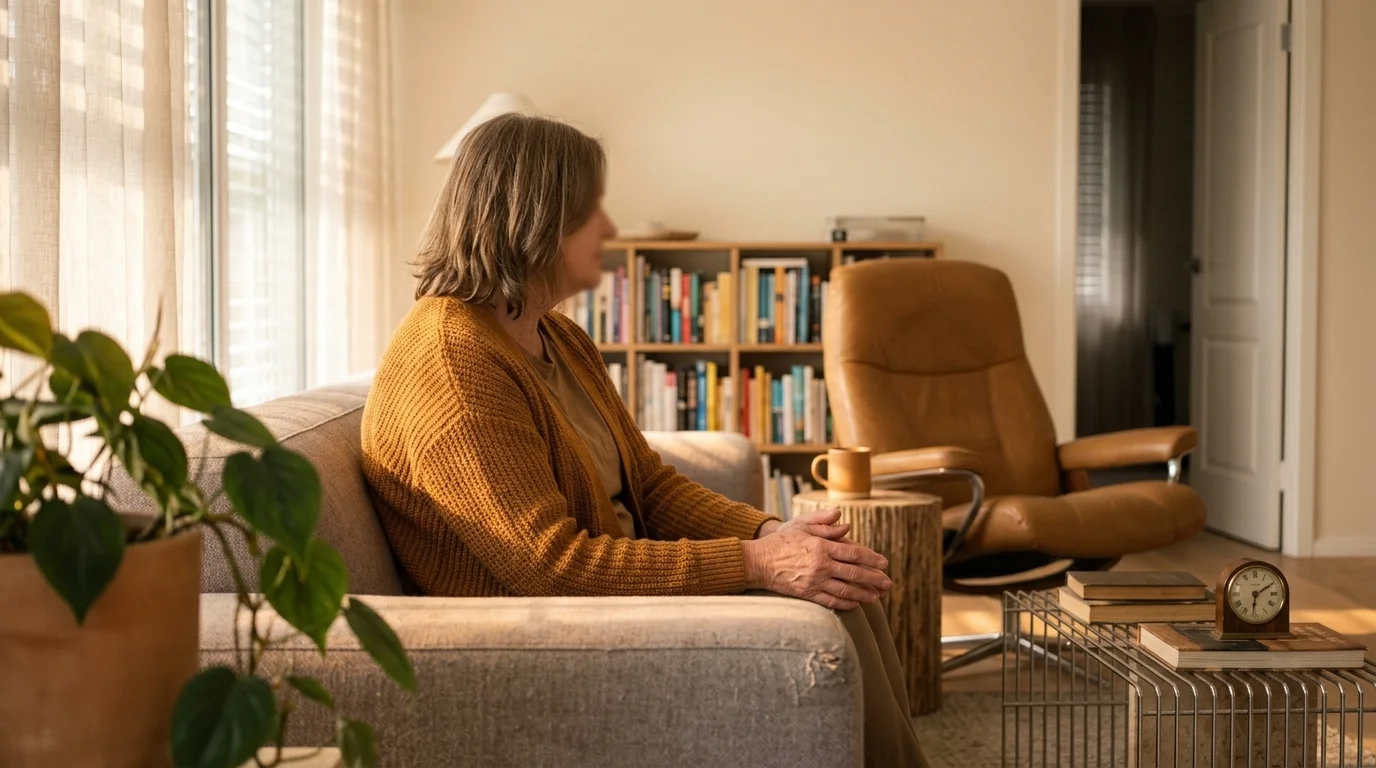
Marin County, California is moving to open a small residential program where adults experiencing mental health or substance use crises can stabilize in a homelike setting staffed by people with their own lived experience of serious illness, rather than being transported to psychiatric hospitals, often in other counties.
The county has no freestanding psychiatric hospital, a gap families and law enforcement have pushed to close for years. Adults in acute crisis are routinely sent out of Marin for inpatient care, a costly and disruptive outcome the new program is designed to reduce. The facility would house between 5 and 12 adults at a time, remain unlocked, operate around the clock, and accept participants on a voluntary basis.
Marin's Department of Health and Human Services is seeking a nonprofit or provider organization to develop and run the program. Funding combines up to $450,000 annually in state Behavioral Health Services Act dollars for operations with up to $600,000 in Medi-Cal billing for supportive services, a total potential value of roughly $1.05 million per year.
The BHSA funding reflects the ripple effects of Proposition 1, the 2024 ballot measure that restructured California's two-decade-old Mental Health Services Act and redirected billions toward housing and services for people with serious mental illness and substance use disorders. Counties statewide are rewriting their behavioral health plans to comply with new spending rules taking effect in the 2026-27 fiscal year.
The peer respite model itself is not new. California opened its first such program in Santa Cruz in 2010, and roughly a dozen now operate statewide, including programs in Alameda, Sonoma and Contra Costa counties. Research has found they cost significantly less per day than psychiatric hospitalization, around $300 to $500 compared to $1,500 or more for a hospital bed, and that they can meaningfully reduce inpatient admissions.
The Medi-Cal component became possible only recently. CalAIM reforms, implemented beginning in 2022, made peer support specialists a reimbursable Medi-Cal provider type for the first time, giving programs like this a sustainable funding base that earlier efforts lacked.
Marin is politically receptive to harm-reduction and peer-driven approaches, but the county has also seen neighborhood opposition to siting behavioral health facilities. Finding and opening a suitable residential property could be the program's most difficult early challenge. The county's relatively small provider network may also mean the field of qualified applicants is limited, potentially drawing operators from across the Bay Area.