Manatee County, Florida is moving to rebuild oyster reefs along its battered coastline, betting that nature's most efficient water filters can help undo years of damage from pollution, runaway growth, and increasingly violent storms.
The timing is pointed. In 2021, a failed phosphate wastewater reservoir at Piney Point dumped 215 million gallons of nutrient-laden water into Port Manatee and Tampa Bay, triggering a toxic algae bloom that killed thousands of tons of marine life and carpeted local beaches with dead fish. That same year, a severe red tide event compounded the devastation. The bay has been recovering slowly ever since.
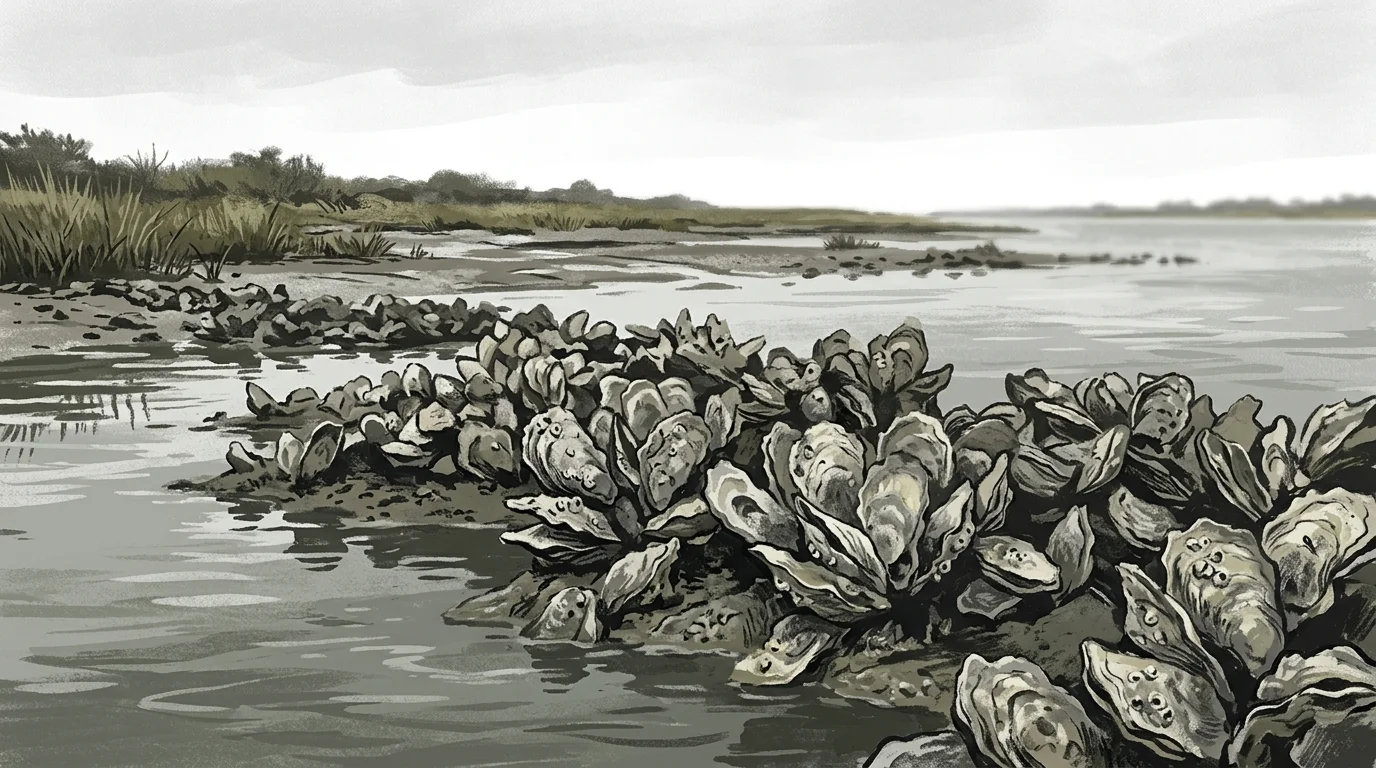
Oysters are central to that recovery because a single adult can filter up to 50 gallons of water per day, pulling out the excess nitrogen and phosphorus that feed harmful algae blooms. Oyster reefs also anchor sediment, buffer shorelines against wave action, and create habitat for fish and other marine life, benefits that have made them a go-to tool for coastal counties facing both pollution and rising storm risk. Hurricanes Ian in 2022 and Helene and Milton in 2024 all caused significant coastal damage in the region, sharpening the county's interest in living shoreline solutions.
The county has posted the project for contractor bids, though the full bid documents are needed to confirm the project's specific locations, acreage, and budget. The work is expected to involve deploying recycled shell material or artificial reef substrate to create new reef structure in the county's estuaries, which span the Manatee River, Anna Maria Sound, and Sarasota Bay frontage.
Manatee County's water quality challenges are inseparable from its growth. The county's population has risen roughly 25 percent since 2010, and the stormwater runoff that comes with new roads, rooftops, and lawns continues to push nutrients into already-stressed waterways. The county has been expanding and hardening its broader water infrastructure to keep pace, but treating the estuary itself requires a different approach.
Regional programs including the Tampa Bay and Sarasota Bay Estuary Programs have funded similar reef builds in recent years, and federal dollars from the Bipartisan Infrastructure Law and NOAA's Restoration Center have accelerated shellfish restoration nationally. Manatee County's project fits into that broader coordinated push to rebuild what coastal scientists call a living shoreline defense.
The county will select a contractor after reviewing bids, with construction details, site locations, and a project timeline expected to become public through that process.