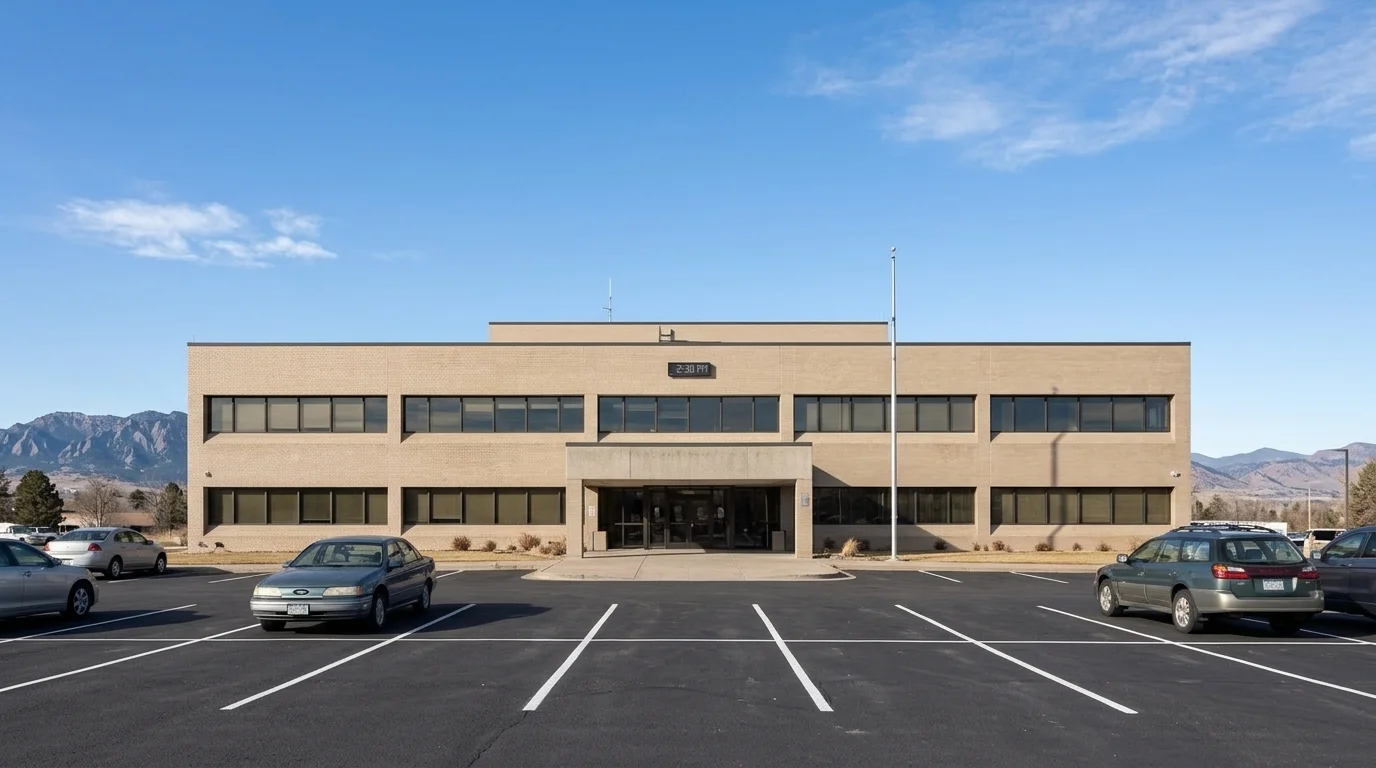
Lafayette, Colorado has outgrown the city hall it built in the 1990s, and the city is now moving to design a replacement civic center that will need to serve a community twice the size it was a generation ago.
Lafayette's population has grown from roughly 23,000 in 2000 to over 31,000 today, driven by housing pressure spilling eastward from Boulder along the US-287 corridor. The existing civic campus on South Public Road was designed for a smaller city and predates current energy codes and federal accessibility standards. The city has posted a request for architectural and engineering firms to design the new facility, with construction to follow as a separate project.
The design phase alone signals that Lafayette is making a serious long-term commitment. Specific details on budget, size and the preferred site were not included in the public posting summary.
The project comes with significant local expectations. Lafayette declared a climate emergency in 2019 and has pushed sustainability initiatives for years, meaning a new civic building will almost certainly face scrutiny on energy performance and carbon footprint. Colorado's updated building energy codes and the state's Climate Action Plan both push new public buildings toward high-performance or net-zero designs. Any structure the city builds will also be a visible architectural statement in a community with a strong sense of local identity rooted in its coal-mining history that tends to be vocal about preserving a small-town character.
The December 2021 Marshall Fire, which destroyed more than 1,000 homes in neighboring Louisville and Superior, also reshaped how Boulder County cities think about civic infrastructure. A modern city hall could double as an emergency coordination hub, a function the existing building wasn't designed to perform.
Lafayette isn't alone in this kind of undertaking. Erie opened a new town hall in recent years, and Louisville completed a new municipal complex, both driven by the same wave of Front Range suburban growth. But those projects also had to clear a political hurdle that Lafayette will likely face: convincing residents to approve the cost. Amid a post-pandemic environment with borrowing rates elevated, the city will probably need to pursue a bond measure at some point, putting the question directly to voters.
The design firm selection process is underway. How long the design phase takes and when a construction budget goes before the public remains to be seen.