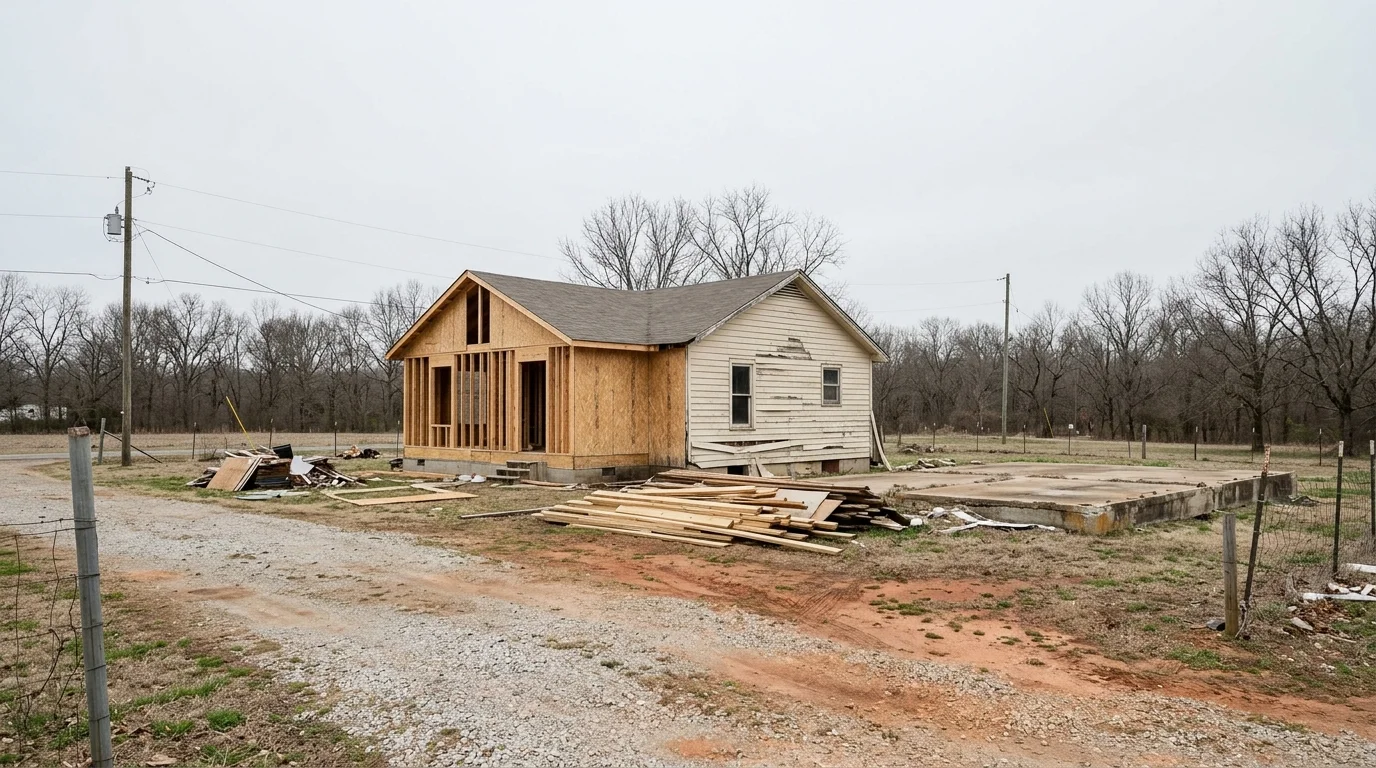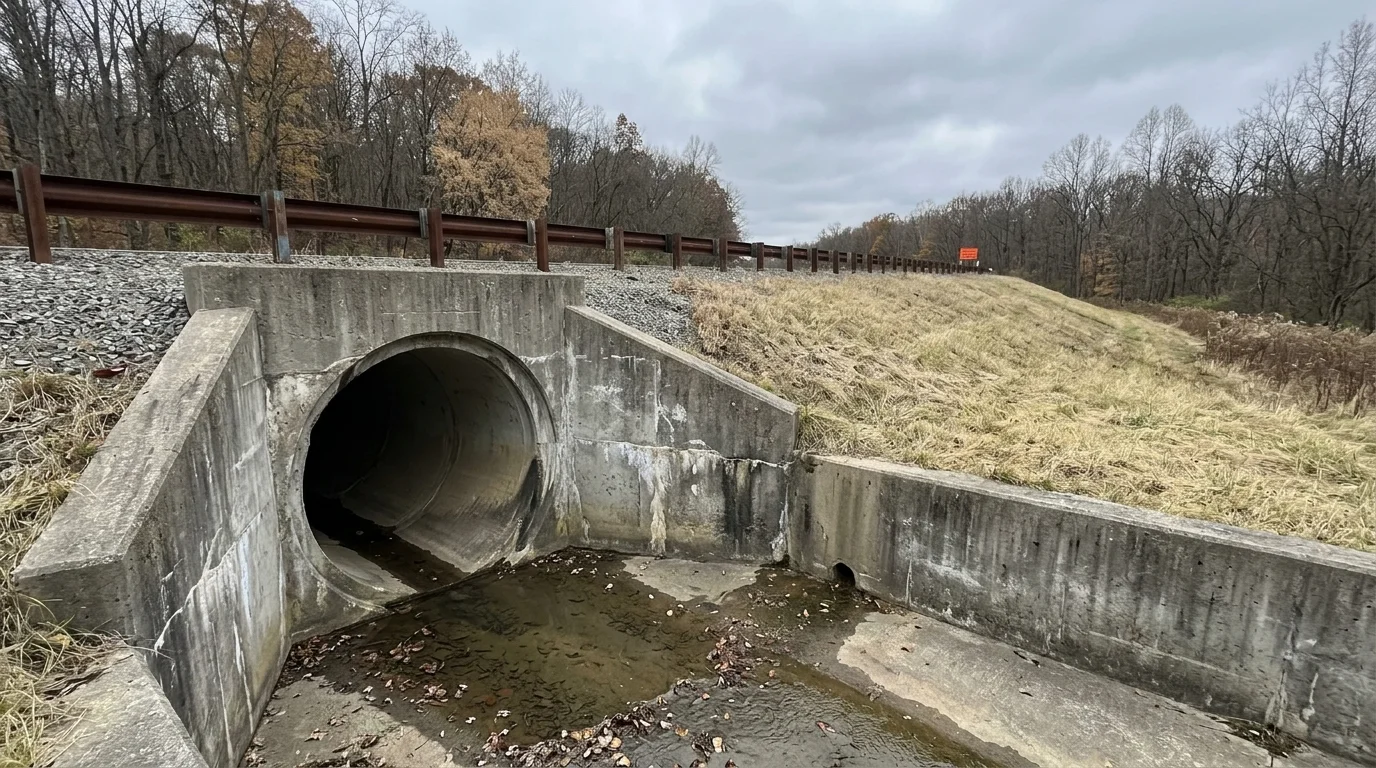
PennDOT's active stormwater grant portfolio now stands at roughly $996 million across 52 Department of Transportation grants, with $281 million already outlayed, and the agency is obligating the last of its competitive federal dollars in a window measured in weeks, not months.
The headline number driving recent attention to Pennsylvania stormwater spending is misleading on its face. A raw keyword search of federal grants turns up $555 million in the trailing 90 days, but the bulk of that figure is a $500 million Bridge Investment Program award for the I-83 South Bridge over the Susquehanna and a $40.8 million cargo complex grant, both of which mention stormwater drainage only incidentally in their project descriptions. Strip those out and genuine stormwater-dedicated new awards in the same window total closer to $10 to $12 million. That is still a meaningful number, and the reason it is being spent right now comes down to two deadlines converging on the same calendar month.
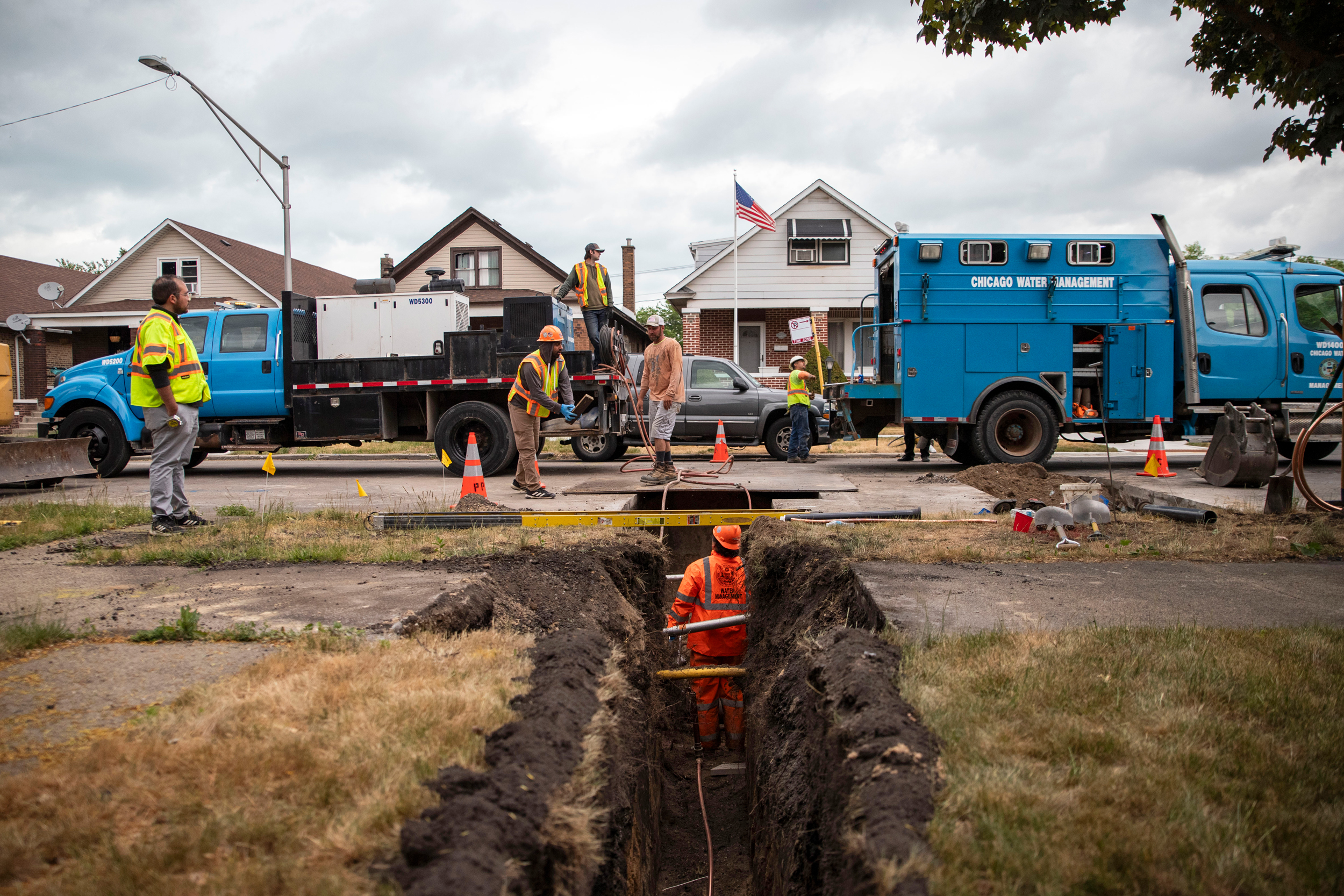
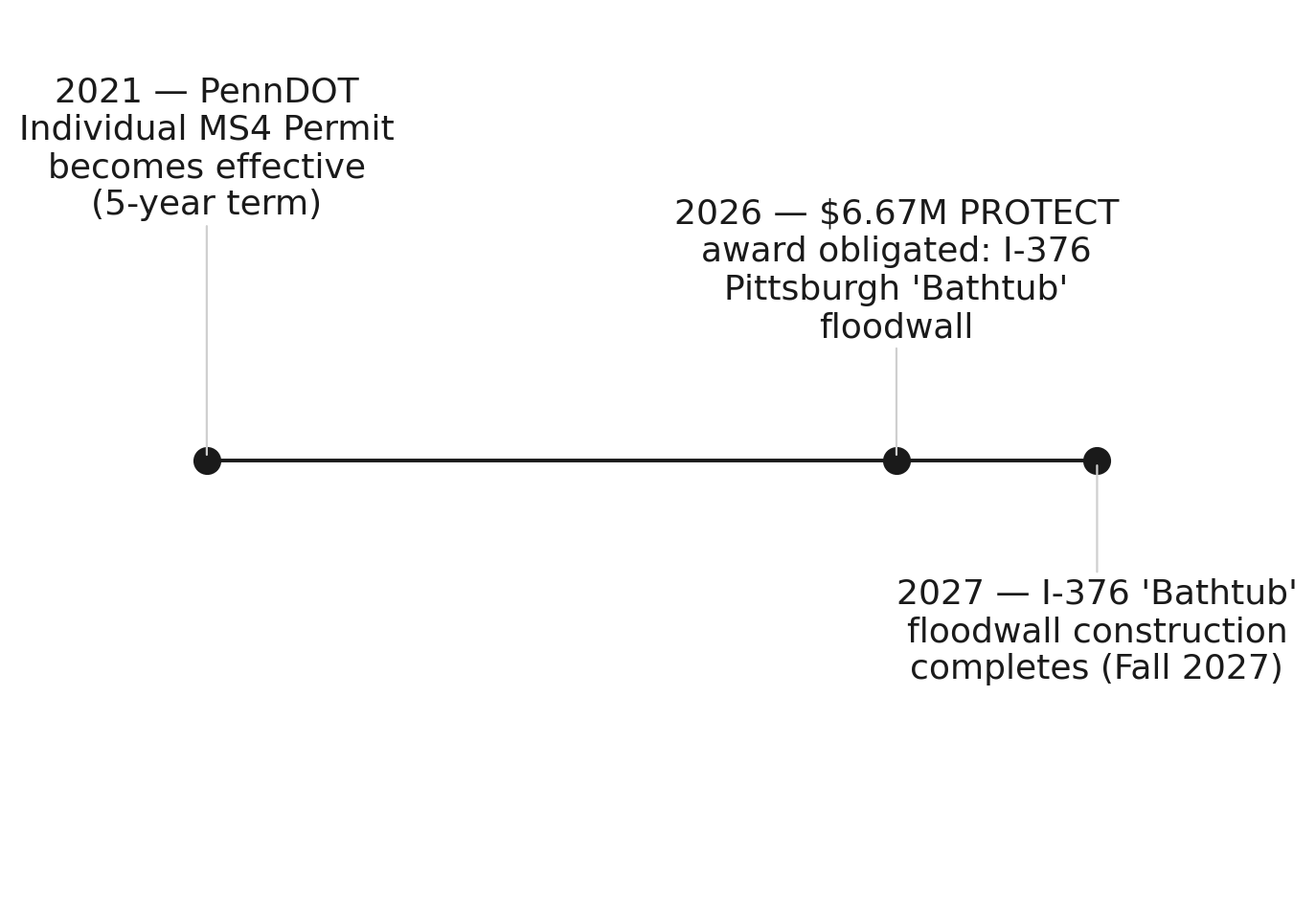
PennDOT's Individual MS4 Permit, issued under the Clean Water Act's NPDES program and administered by the Pennsylvania Department of Environmental Protection, expires October 31, 2026. The permit, which became effective November 1, 2021, requires PennDOT to demonstrate concrete Stormwater Control Measure improvements across all state roadways, bridges, and maintenance facilities it owns. PennDOT is not a passive funder of municipal stormwater compliance; it is itself one of Pennsylvania's regulated MS4 entities, and DEP holds it to the same demonstration requirements as any municipal operator.
Source: NationGraph.
The funding vehicle PennDOT is using to meet those obligations is the FHWA PROTECT competitive grant program, which draws on Infrastructure Investment and Jobs Act authorization expiring September 30, 2026. PROTECT funds surface transportation resilience projects, and stormwater control measures on transportation rights-of-way are an eligible use. The two instruments, the DEP permit mandate and the FHWA grant, serve different legal purposes and involve different federal and state actors, but they are operating in concert on the same physical infrastructure this fall.
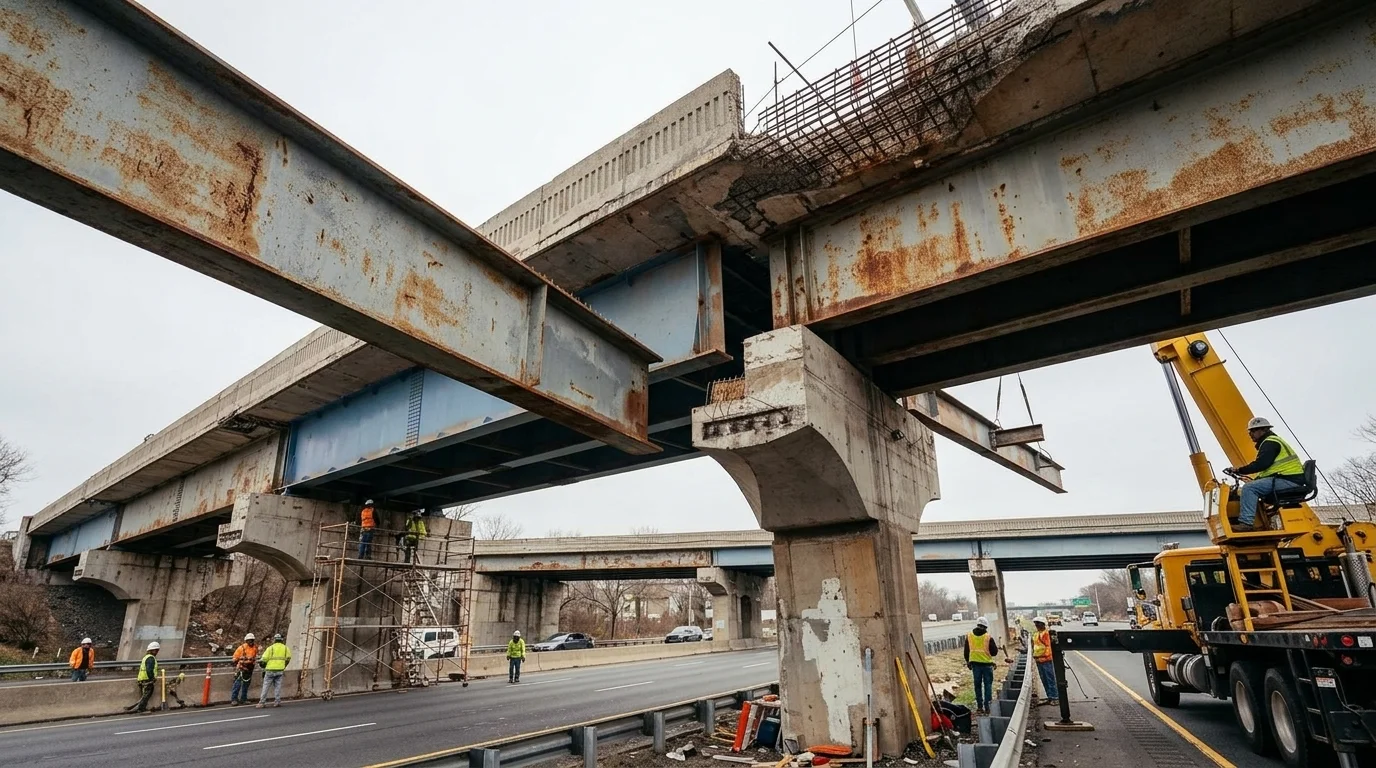
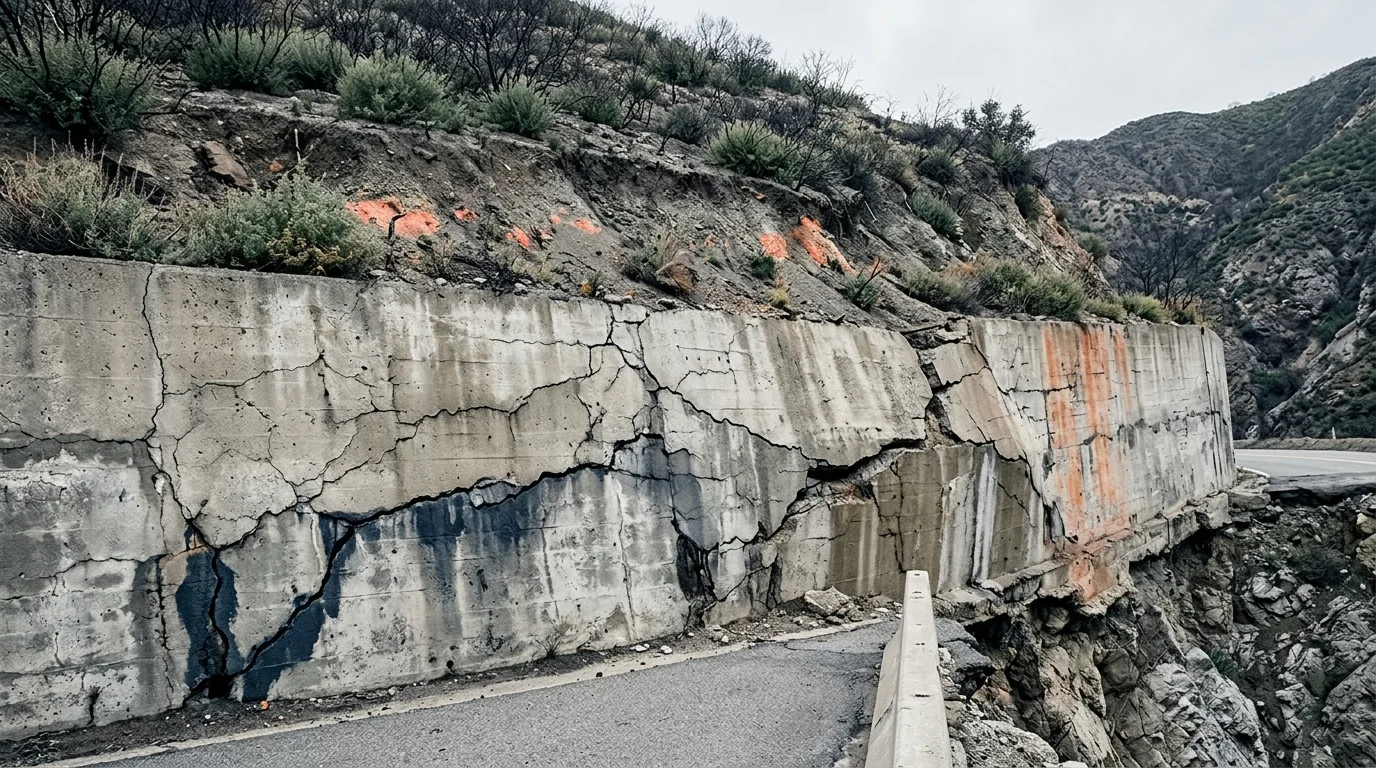
The clearest example is the I-376 Pittsburgh "Bathtub" floodwall reconstruction project. FHWA obligated a $6.67 million PROTECT award for the project in June 2026; construction is scheduled to begin October 2026, the same month the MS4 permit expires. The full project cost is $14.34 million and involves raising 1,150 feet of floodwall between the Grant Street interchange and the Fort Pitt Bridge. A separate $1.6 million PROTECT award for "Districtwide MS4-SWM Improvements Group 2" was obligated in September 2026, covering repairs to ten stormwater control measure sites across Bucks, Chester, and Montgomery counties. Earlier planning grants of $200,000 and $185,000 for site surveys in PennDOT District 6-0 were obligated in December 2025, establishing the pipeline these construction awards are now filling.
The broader permitting pressure extends well beyond PennDOT. Pennsylvania has 1,059 small MS4 permittees, more than most states, spread across suburban Philadelphia and Pittsburgh corridors and rural counties alike. All of them are facing renewal simultaneously. DEP's draft PAG-13 General Permit, which would govern that renewal, proposes replacing existing Pollutant Reduction Plans with Volume Management Plans requiring treatment of 88 percent of impervious area within 50 years, a substantially more demanding standard. DEP announced it will not finalize PAG-13 during 2026, and a revised Notice of Intent deadline will follow, but municipal engineers have already begun warning borough councils that compliance costs under the new framework will be significantly higher. As one engineer's report to a Cumberland County borough council put it, the permit renewal is a near-term compliance planning priority with real budget consequences.
The Chesapeake Bay Total Maximum Daily Load adds a federal backstop that intensifies the pressure. Pennsylvania must meet specific nutrient and sediment reduction targets under the Bay TMDL, and stormwater runoff from developed land is a primary pathway for those pollutants. The Shapiro administration awarded $2.82 million in EPA Section 319 Nonpoint Source grants in October 2026 specifically targeting Chesapeake Bay watershed stormwater impairment, a separate, smaller stream of dollars running alongside the PROTECT awards.
For Pennsylvania municipalities watching this play out, the practical implication is straightforward: the competitive federal grant money that made large-scale stormwater upgrades financially feasible for a state transportation agency is expiring with the IIJA authorization cycle. Pennsylvania townships were notified on September 30, 2026 that the FY2024-FY2026 PROTECT NOFO remains open through October 9, 2026, which is also the application deadline. What comes after that window, for both PennDOT and the 1,059 smaller permittees watching DEP finalize PAG-13, is a compliance landscape with fewer easy funding tools and a more demanding permit standard. The October 31 permit expiration is a marker, not an endpoint; the harder work of renewal begins the day after.