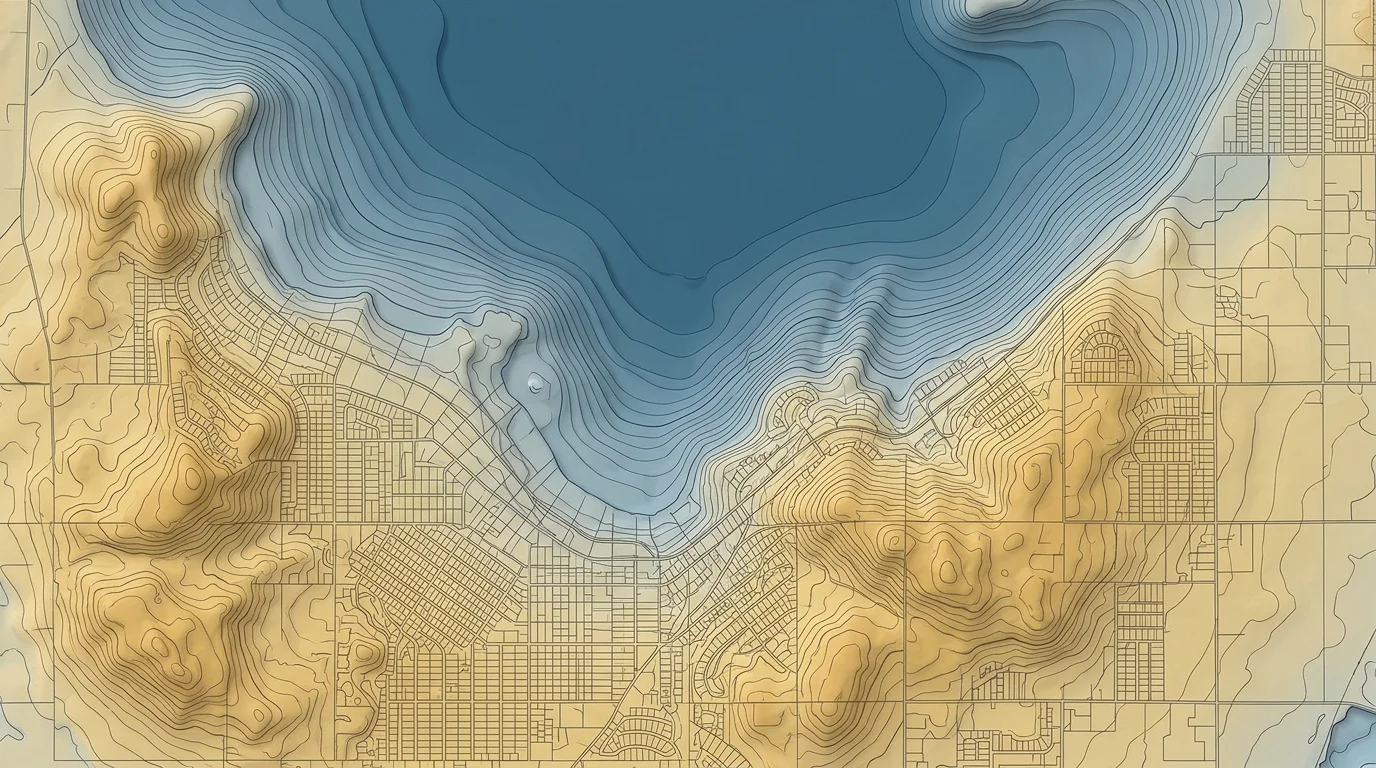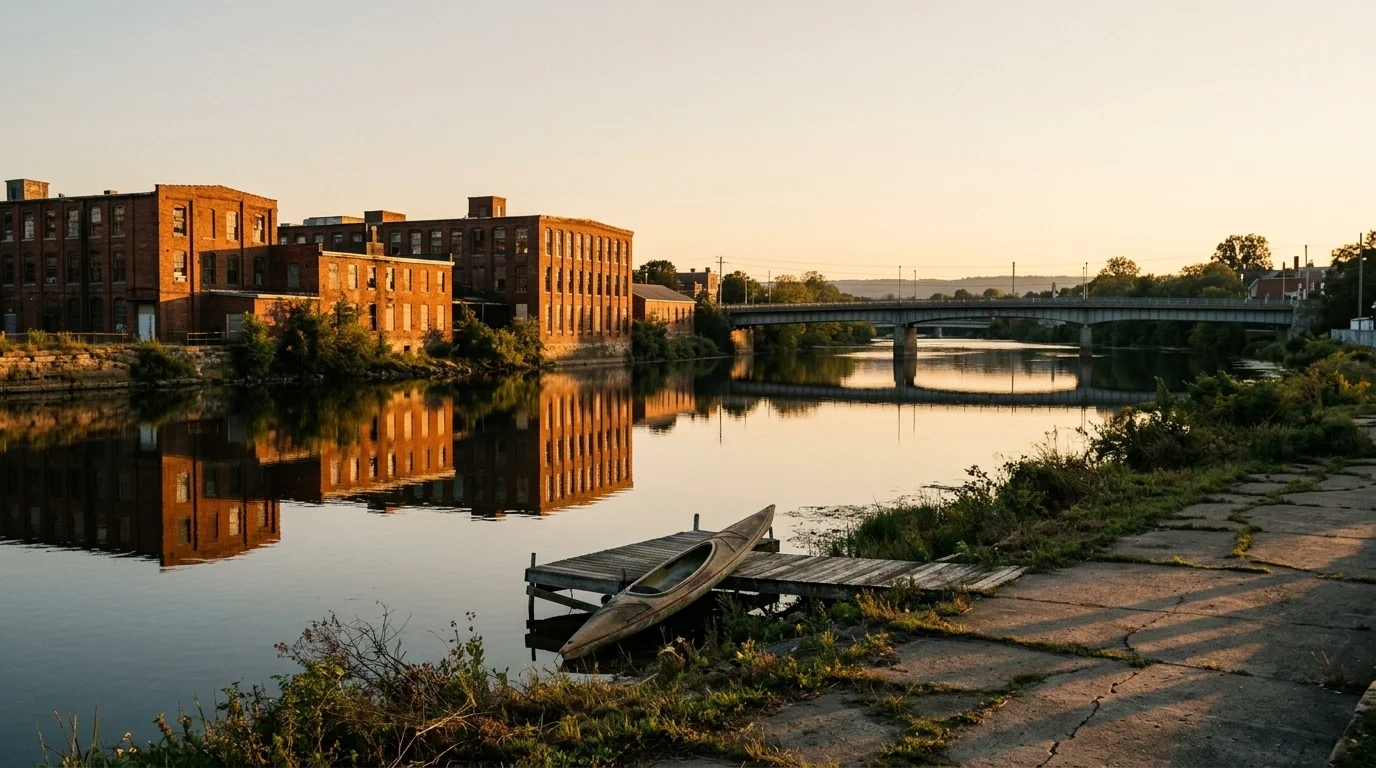
Jamestown, N.Y., is moving forward with plans to open up its downtown riverfront to residents and visitors, posting a solicitation this month for the Chadakoin River Activation Project, an effort to transform the city's long-neglected waterway into a functioning public amenity.
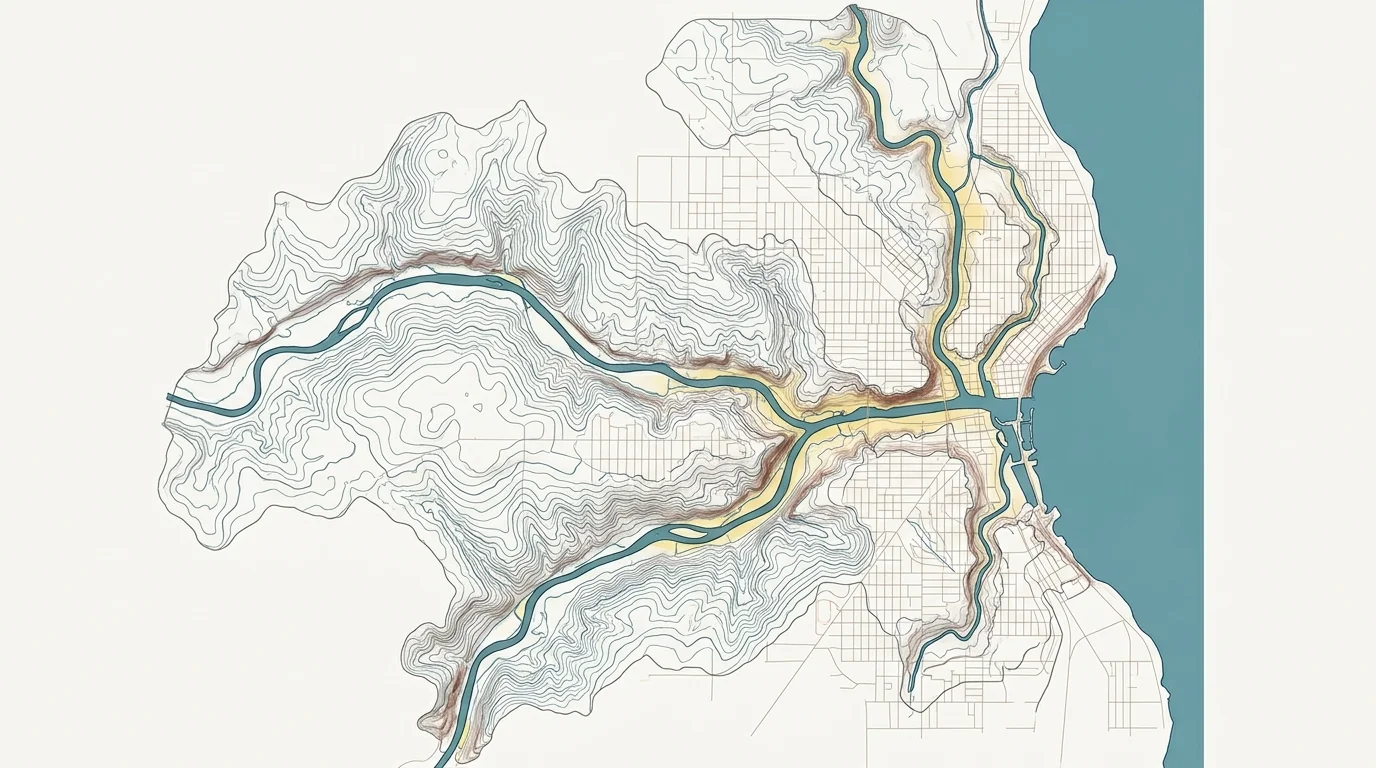
The Chadakoin runs straight through the heart of Jamestown, linking Chautauqua Lake to the Conewango Creek, and once powered the 19th-century mills that made the city a regional manufacturing hub. But as Jamestown's furniture and metalworking industries collapsed over the second half of the 20th century, the river became polluted, hemmed in by industrial infrastructure, and largely invisible to the roughly 28,000 residents who live near it today. The city's population has fallen by roughly a third since its mid-century peak above 45,000.
The activation project is the latest installment in a decade-long, state-backed push to reverse that decline. Jamestown won a $10 million New York State Downtown Revitalization Initiative award in 2016 and has since layered on additional state funding through the NY Forward and REDI programs. The 2018 opening of the National Comedy Center, a more than $50 million facility honoring hometown icon Lucille Ball built on a former rail site along the river, was the marquee project. Riverwalk extensions, brownfield cleanups, and streetscape work have followed. The activation project fits the same pattern: public gathering spaces, kayak access, lighting, and the kind of outdoor amenities that have helped other shrinking industrial cities, from Providence to South Bend, draw people back to their waterfronts.
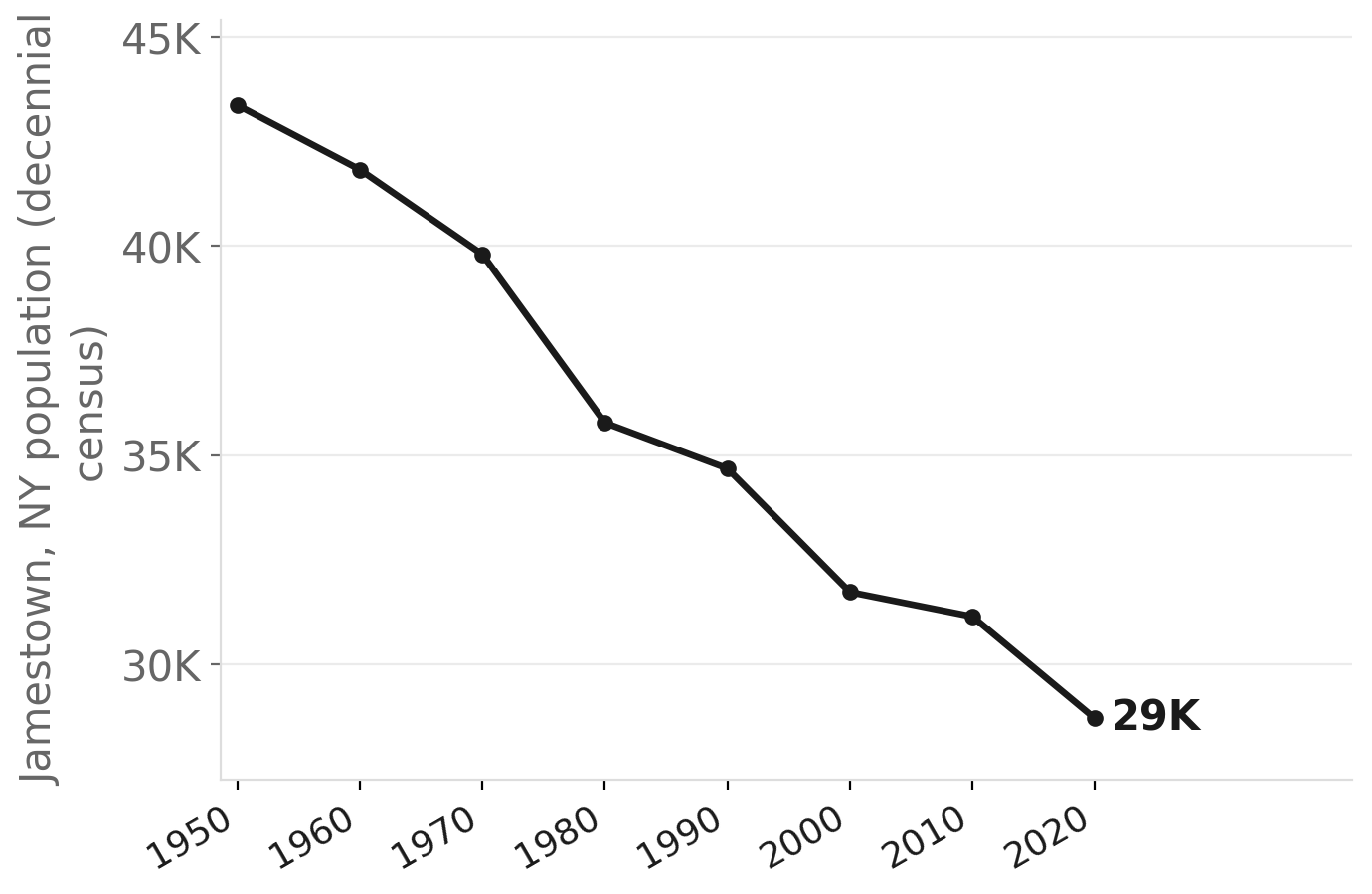
Source: NationGraph.
The full scope and budget are detailed in the project solicitation on BidNet Direct, posted Oct. 16 by the City of Jamestown.
The project does face real complications. Chautauqua Lake, which feeds the Chadakoin, has suffered recurring harmful algal blooms in recent years, and water quality remains a politically charged issue in the region. Any recreational use of the river will depend in part on how well those upstream problems are addressed.
With contractors now being sought, the city is moving the project from planning into execution. How quickly construction can begin, and what the riverfront ultimately looks like, will become clearer as bids come in.